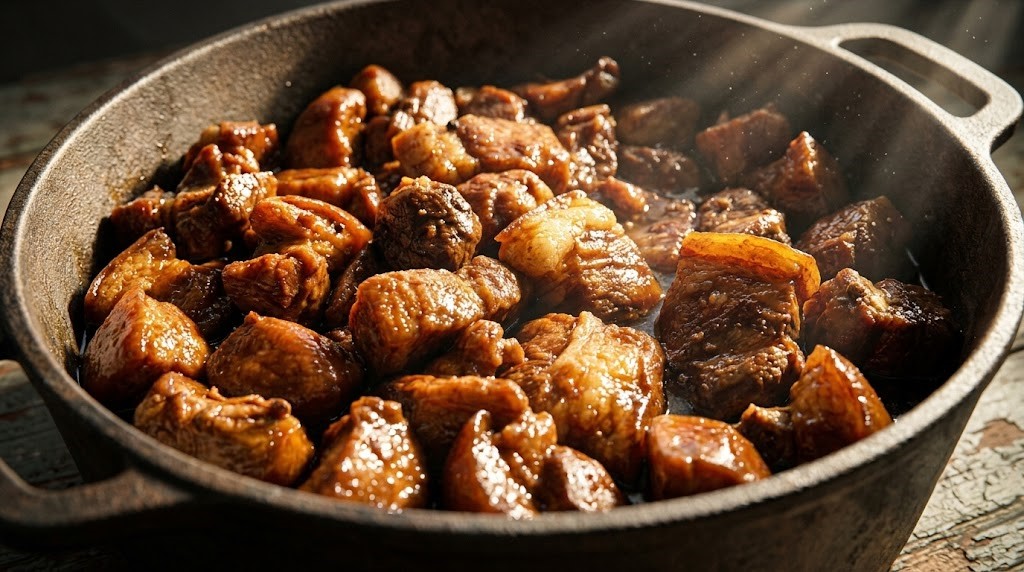
A Filipino Classic With a Regional Personality
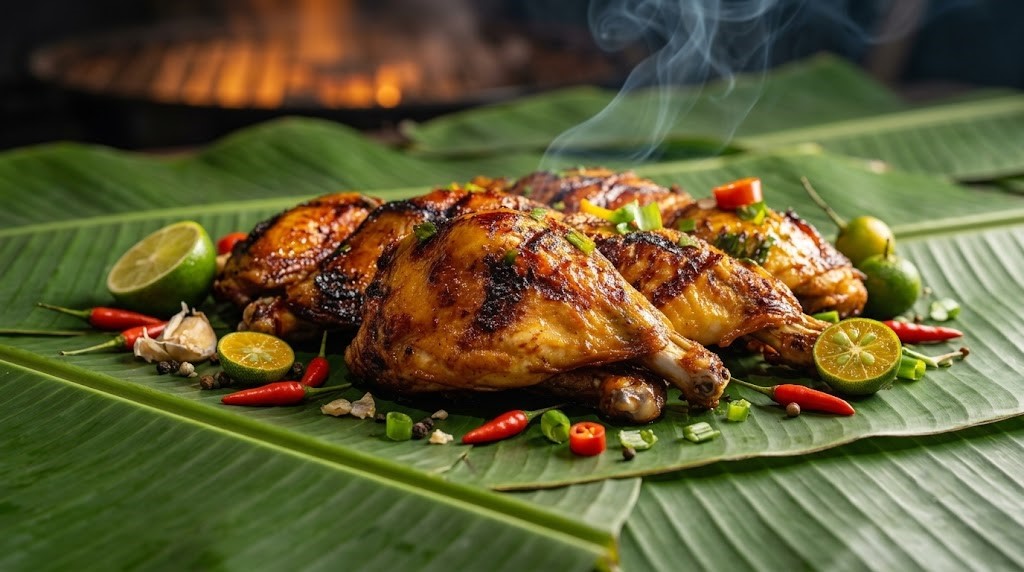
LEYTE - Adobo is recognized throughout the Philippines, but every community often develops its own style. In Leyte, local preparation reflects the ingredients, preferences, and cooking habits of families in the area. This creates a version that feels familiar while still carrying a distinct regional character. Traditional dishes like adobo survive because they are constantly prepared and shared. Families often pass their methods from one generation to another, allowing small differences in flavor and technique to become part of local identity. These variations make Filipino cuisine diverse and connected to different communities.
The Story Behind Everyday Food
One reason dishes like adobo remain important is because they represent daily life. Unlike food that is only prepared for special occasions, these dishes are part of ordinary family meals and gatherings. They show how food traditions develop through repeated experiences. For travelers, trying local versions of familiar dishes provides a deeper understanding of a destination. It allows visitors to experience how people in Leyte enjoy food in their own way. A simple meal can become a reflection of culture, history, and community.
Why Local Dishes Matter in Exploring Leyte
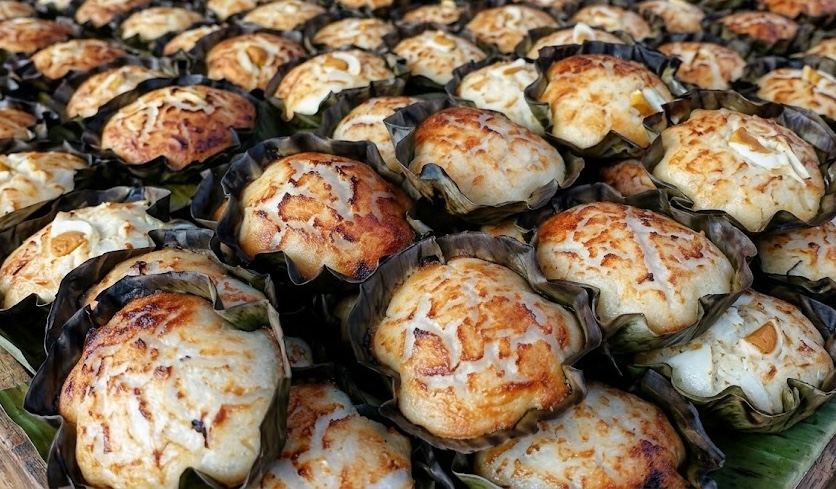
Food tourism is not only about finding rare dishes but also understanding the stories behind what people eat. Local versions of Filipino classics show the creativity of communities. They reveal how traditions continue while adapting to changing tastes. Exploring Leyte through food allows visitors to experience both traditional and everyday flavors. From delicacies to main dishes, each recipe contributes to the province’s culinary story. These discoveries make travel more connected and meaningful.