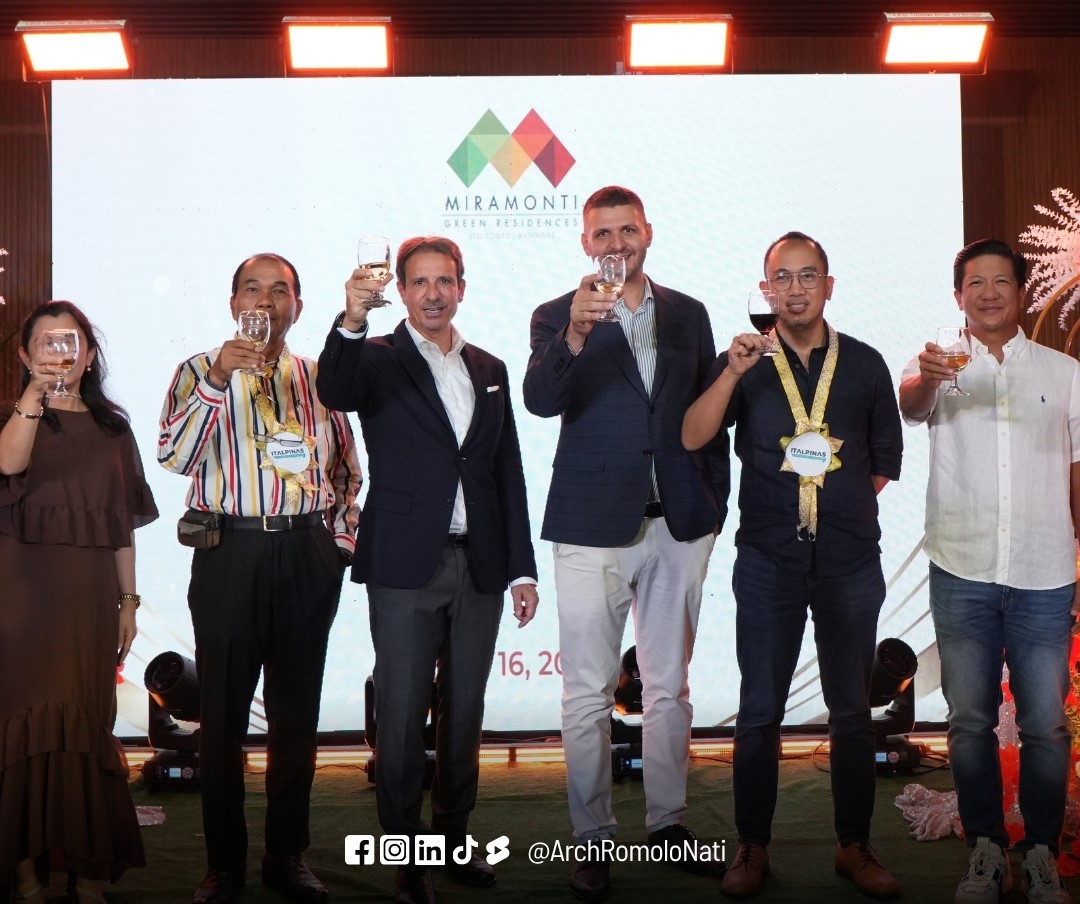
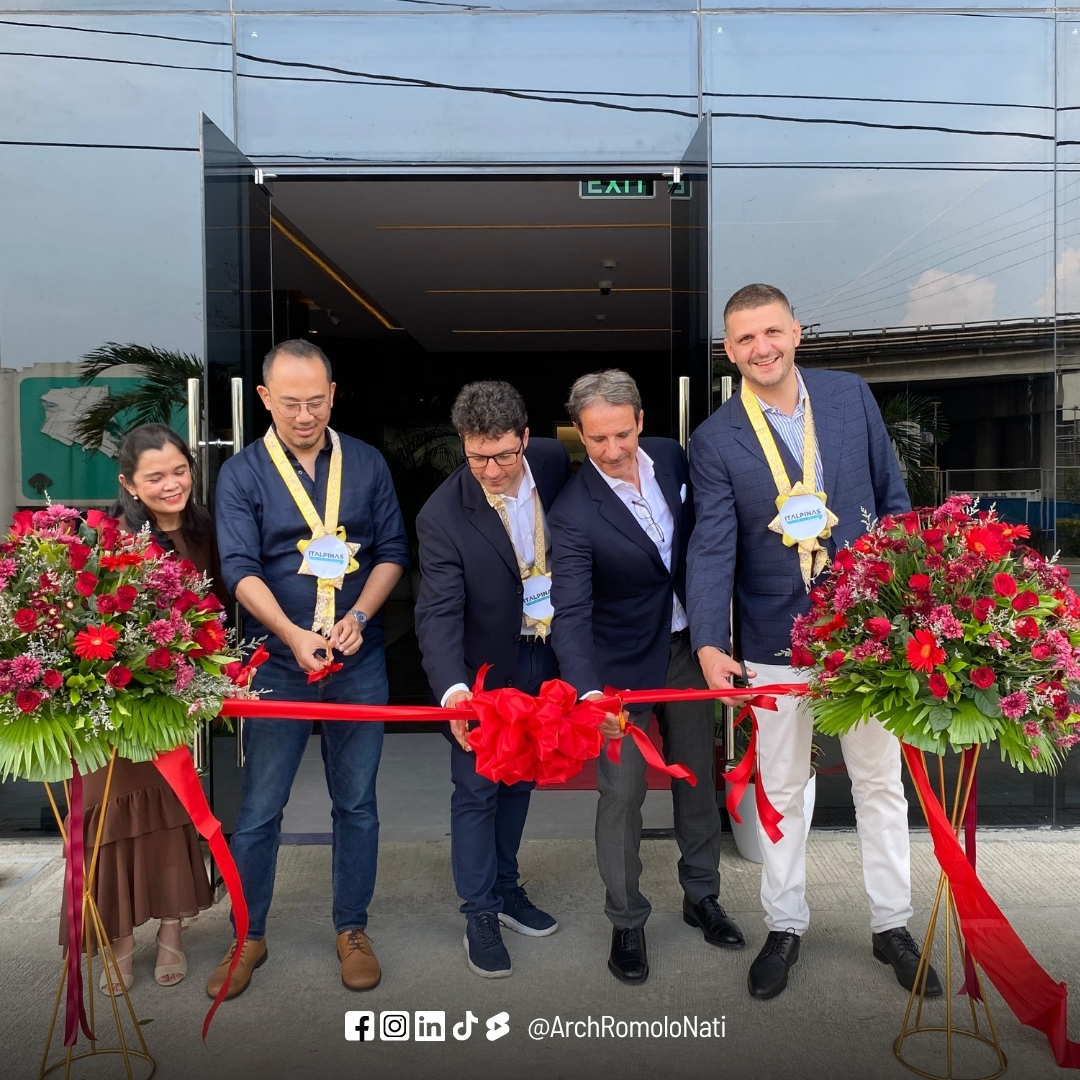
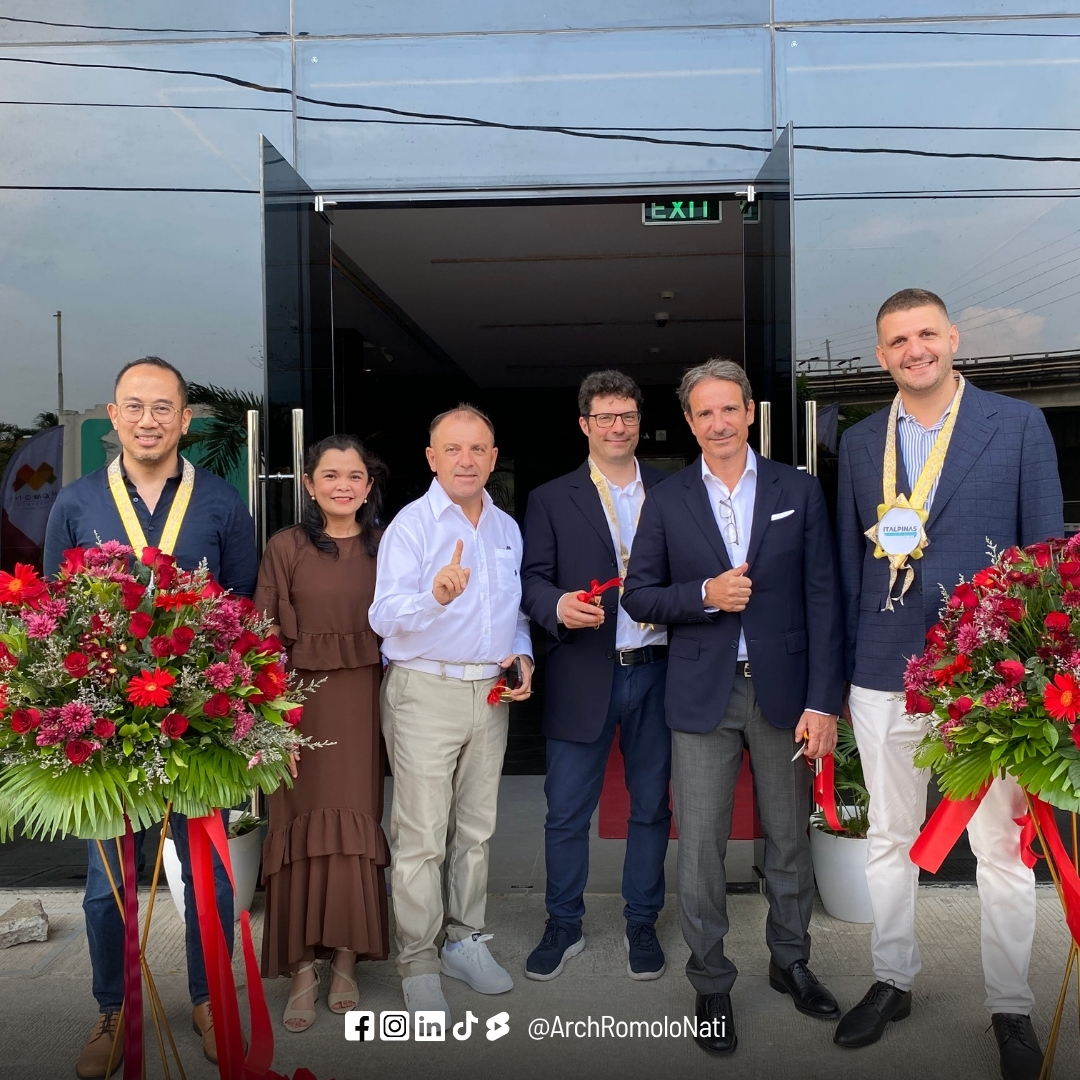
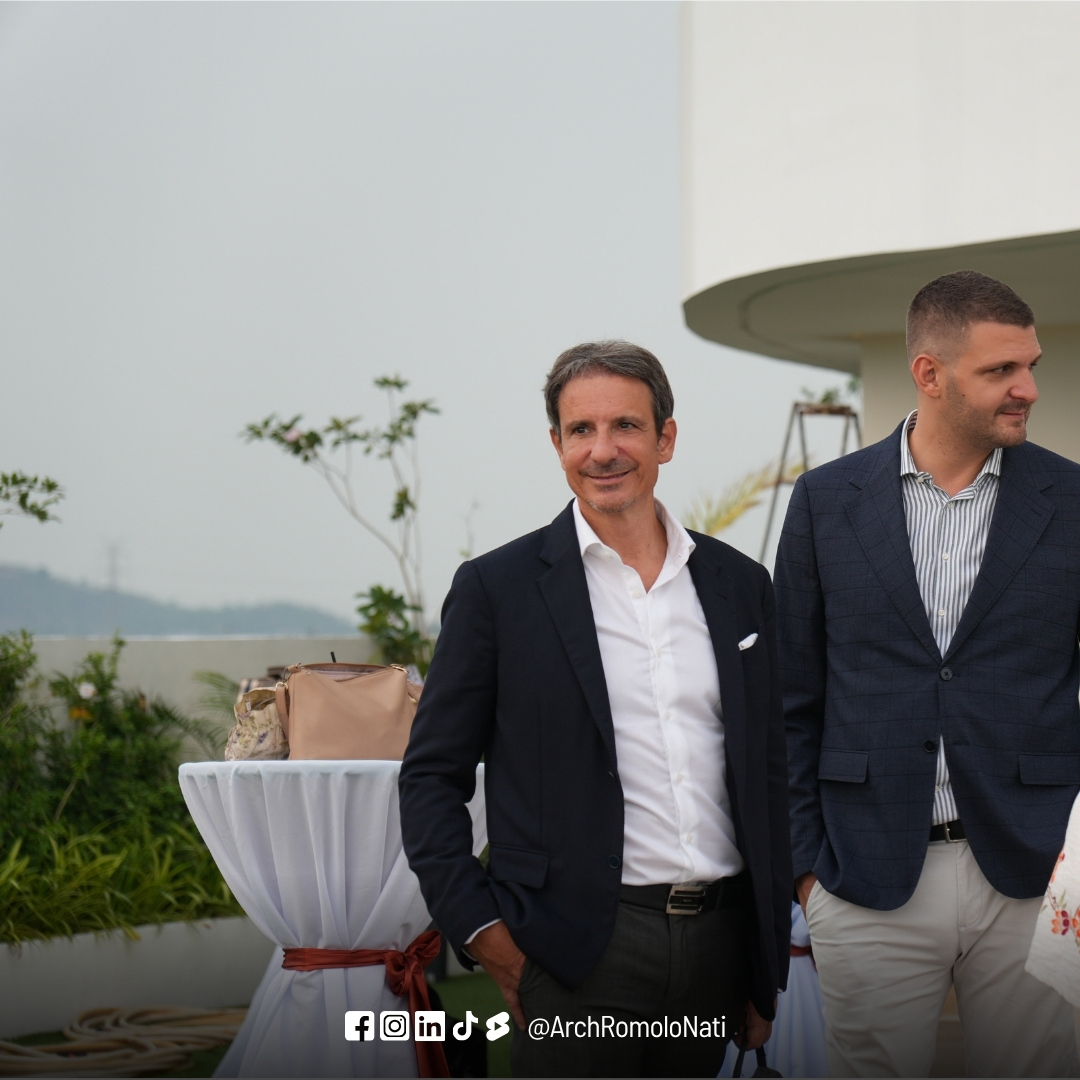
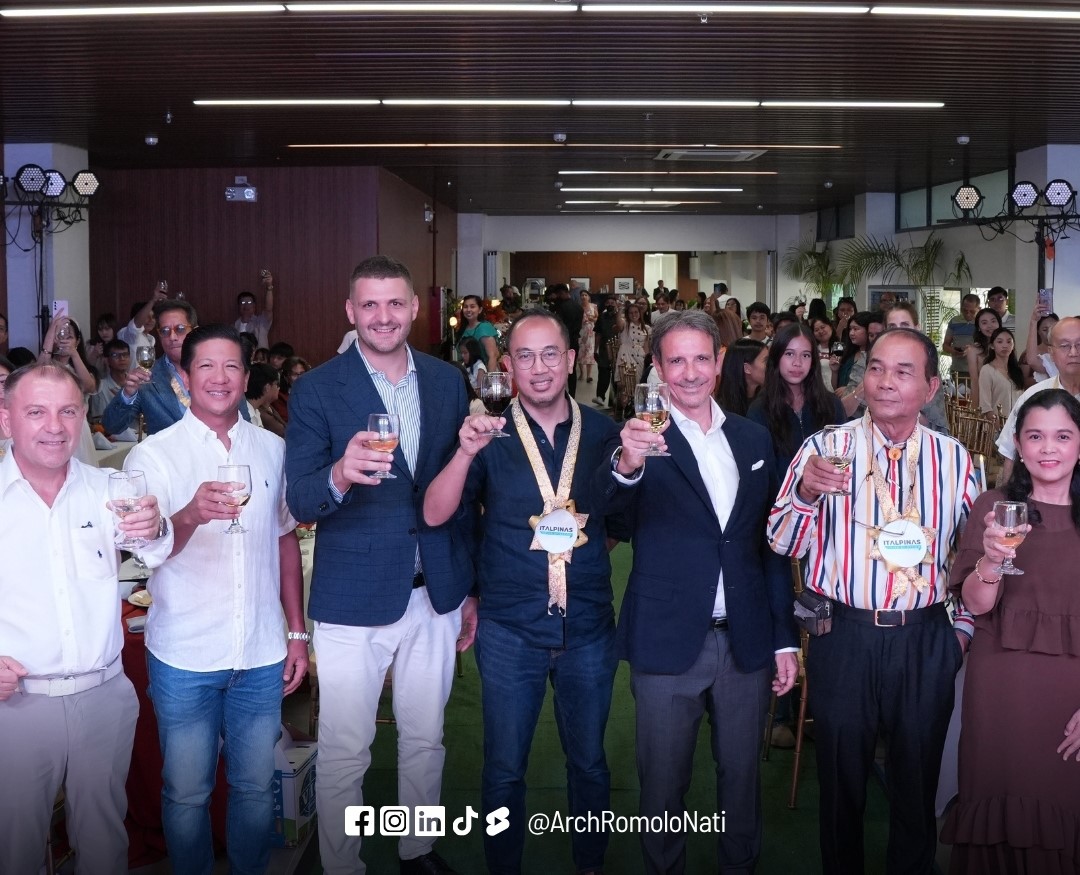
STO. TOMAS, BATANGAS — On the afternoon of May 16, 2026, the foothills of Mount Makiling witnessed what years of blueprints, soil tests, and construction schedules had been building toward. Miramonti Green Residences, Italpinas Development Corporation's first Luzon project, formally opened its doors. Architect Romolo V. Nati, the Italian-born founder and chairman of IDC, stood before homeowners, investors, partners, and friends and delivered a reflection that was less a corporate speech than a personal exhale. "Seeing the development filled with homeowners, investors, partners, and friends reminded me that a project only becomes meaningful when it is shared," he wrote in a message following the ceremony. The line captured the philosophy of an architect who has spent more than a decade proving that sustainability and market viability are not opposing forces but complementary ones.
The inauguration, which began at 3:00 p.m. and drew guests from across the property sector, marked the culmination of a journey that began long before the first tower rose from the soil of the Light Industry and Science Park III. The 21-story Phase 1 tower delivers 352 residential units, 20 commercial spaces, and 88 parking slots, all wrapped in a building envelope engineered to reduce energy consumption through passive cooling, external louvers, natural cross-ventilation, and solar panels powering shared amenities. The name "Miramonti" itself—Italian for "mountain views"—is a promise the building keeps from nearly every balcony, where the forested slopes of Mount Makiling dominate the horizon.
Sustainability as the Foundation, Not an Afterthought
"As an architect, I have always believed that sustainability is the foundation," Nati said. "It is about creating homes that respect the environment, reduce inefficiencies, and most importantly, give people more time for what truly matters." The statement is backed by verifiable performance data. Miramonti's EDGE certification from the International Finance Corporation confirmed that Phase 1 achieves a 39 percent reduction in energy use, a 52 percent reduction in water consumption, and a 41 percent reduction in embodied energy in materials compared to a local base case. A water recycling system cuts overall water demand, while solar photovoltaic panels on the rooftop generate power for common areas, directly lowering residents' monthly association dues.
These are not cosmetic sustainability features bolted onto a conventional design. Nati, who employs biomimicry principles in his architecture, integrated passive cooling into the building's fundamental geometry. External louvers shade the facade, and the tower's orientation channels prevailing breezes through the structure, reducing reliance on air conditioning. The units themselves—studios starting at 22 square meters and one-bedroom configurations extending to approximately 44 square meters—are compact but efficient, with layouts that prioritize natural light and cross-ventilation. A fitness gym, swimming pool, children's playground, function rooms, and Wi-Fi-enabled common areas complete the resident experience, transforming the tower from a collection of units into a neighborhood.
A Luzon Expansion Forged Through Challenge
The road to May 16 was neither short nor smooth. IDC first chose Sto. Tomas for its Luzon debut more than a decade ago, recognizing in the municipality's industrial parks and growing workforce a demand for quality housing that the market had not yet met. The COVID-19 pandemic then intervened, disrupting supply chains, delaying construction timelines, and testing the resolve of developers across the country. "There were a lot of challenges, sacrifices, and moments that tested my resolve as an architect as a CEO," Nati said, reflecting on the journey. "But every obstacle only strengthened our commitment to create a sustainable landmark in Sto. Tomas, Batangas."
The perseverance has been rewarded. Miramonti contributed meaningfully to IDC's revenue growth in 2025, with sustained demand from end-users purchasing units as primary residences and from investors attracted by the rental potential of a property situated inside a PEZA-accredited industrial estate. The LISP III complex alone hosts over thousands of workers, creating a built-in tenant pool of engineers, managers, and skilled laborers with stable incomes. The project's recent recognition at the Asia Pacific Property Awards reinforced its standing as a benchmark for sustainable provincial development, while its EDGE certification provides an independent, internationally recognized verification of its environmental performance.
A Living, Breathing Community Begins
"This inauguration marks a beginning of a living, breathing community and I am grateful to everyone who has become part of its story," Nati wrote. The language is deliberate. A condominium at turnover is not yet a community; it is a building waiting to be inhabited. What Nati was celebrating on May 16 was the activation of that community—the moment when homeowners begin to occupy their units, when the swimming pool sees its first swimmers, when the function room hosts its first birthday party. The amenity deck, the 24-hour serviced lobby, the commercial spaces at ground level—these are not merely features on a brochure but the physical infrastructure of daily life, now open for use.
The broader significance of Miramonti extends beyond Sto. Tomas. It is the proof-of-concept project for IDC's Luzon expansion strategy, demonstrating that the company's Cagayan de Oro-honed model of sustainable, Italian-designed, mid-market condominiums can succeed in a different geography with a different buyer profile. The company has since expanded into Palawan, Boracay, Bataan, and Bukidnon, but Miramonti remains the flagship—the project that proved the thesis. For the guests who gathered on that May afternoon, many of whom had followed the project since its earliest days, the inauguration was both a celebration and a confirmation. The buildings that Nati once sketched on paper now stand against the Batangas sky, their solar panels catching the afternoon light, their balconies facing the mountain. The green, sustainable landmark that was once only an idea is finally, fully, shared.