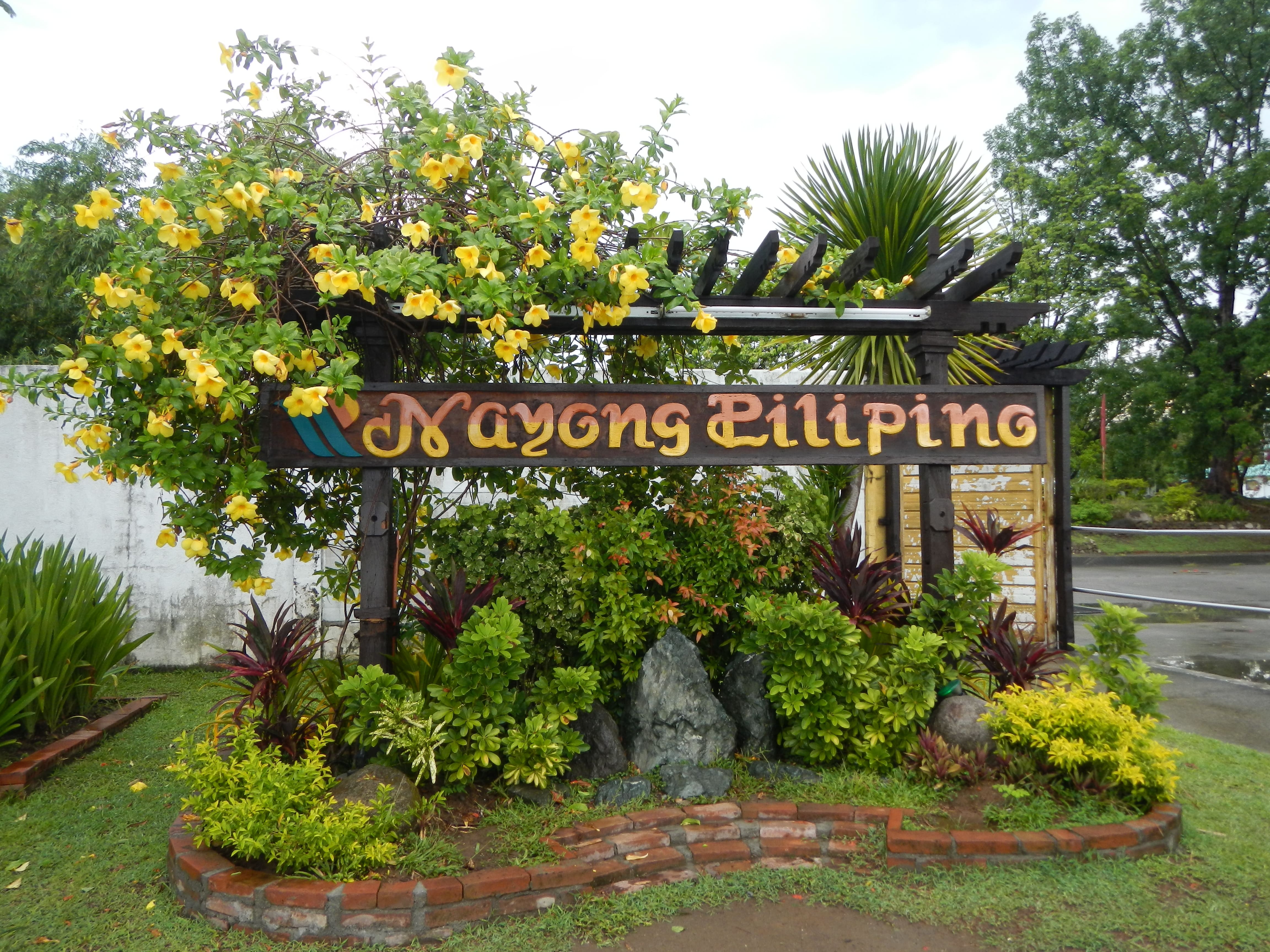
Step into a single park and find yourself standing before the Banaue Rice Terraces, the Chocolate Hills, and the Mayon Volcano all in one afternoon. Welcome to Nayong Pilipino Clark, a 3.5-hectare cultural theme park inside the Clark Freeport Zone in Mabalacat, Pampanga, where the Philippines' diverse heritage is浓缩d into an immersive, family-friendly destination.
From the moment you walk through the gates, you are no longer just in Pampanga — you are traveling across the archipelago. The park, which originally opened in Pasay in the 1970s, was relocated to Clark in 2002 and reopened in 2007, continuing its mission to showcase Filipino culture through architecture, artifacts, and live performances . For travelers who want to understand the Philippines beyond its beaches, Nayong Pilipino serves as an accessible and affordable introduction to the country's 7,641 islands' worth of traditions.
Replicas, Museums, and Indigenous Villages: A Walk Through Filipino Heritage
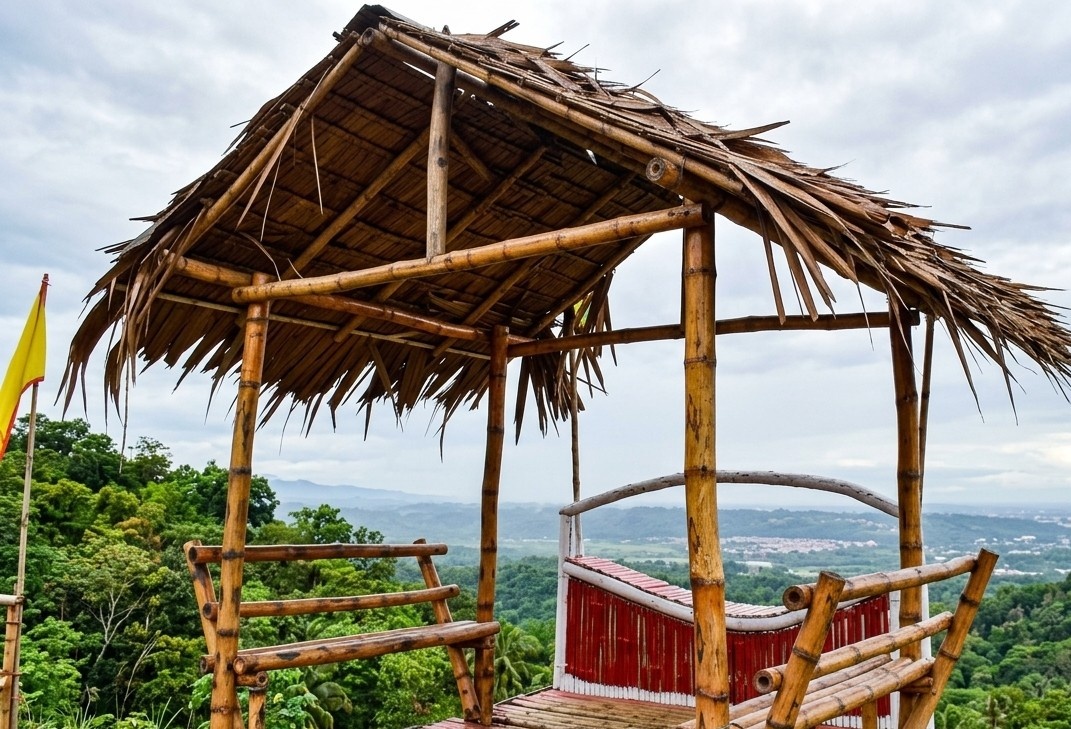
The park is divided into sections that mirror the country's geographic and cultural diversity. Visitors can explore exact, life-size replicas of traditional homes representing various Philippine ethnic groups, including the Ifugao, Kalinga, and Aeta communities — giving a rare glimpse into the distinct architectural styles and lifestyles of indigenous peoples . Nearby, scaled-down models of historical landmarks transport you through centuries of Philippine history: the Barasoain Church of Malolos (where the First Philippine Republic was inaugurated), the ancestral homes of Dr. Jose Rizal, Apolinario Mabini, and General Emilio Aguinaldo, and other heritage structures stand as tangible links to the nation's past .
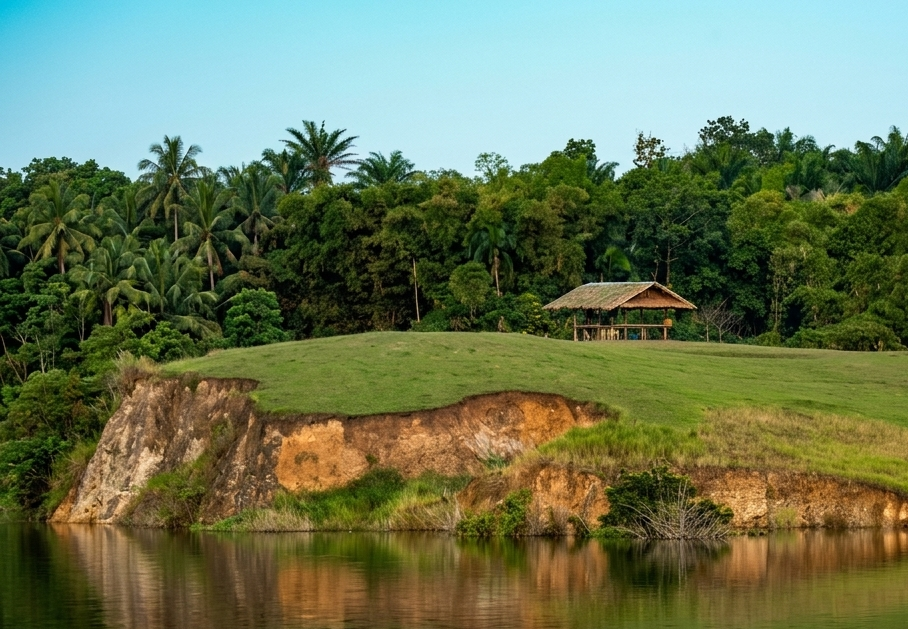
For those with a passion for geography and the arts, the park offers three-dimensional miniature replicas of iconic Philippine landscapes: the Banaue Rice Terraces, often called the "Eighth Wonder of the World"; the cone-shaped Chocolate Hills of Bohol; and the perfectly symmetrical Mayon Volcano in Albay . Two museums add depth to the experience: the Money Museum, showcasing historical and present Philippine currency, and the Textile Museum, which highlights traditional regional weaving and indigenous fabrics from across the archipelago.
Traditional Performances, Practical Tips, and a Legacy Worth Preserving
The park comes alive with cultural performances that go beyond static exhibits. Visitors can watch daily theatrical presentations and native dances such as the Tinikling (the national dance using bamboo poles), Singkil (a Maranao dance from Lake Lanao), and Sayaw sa Bangko (a dance performed on a wooden bench), performed by local dancers and rondalla musicians . The park also features larger-than-life sculptures of Philippine folklore figures, making it a delight for children and mythology enthusiasts alike.
Practical planning will make your visit more enjoyable. The park is open from 8:00 AM to 5:00 PM, though some sources note extended hours from 7:00 AM . Entrance fees are remarkably affordable: adult admission is approximately ₱100 to ₱150, with discounted rates for seniors and children . The park is open-air and can get quite warm, especially from March to May, so early morning visits provide better lighting for photography and a more comfortable walking temperature . Most buildings are not air-conditioned, so bring sunscreen, stay hydrated, and consider bringing an umbrella for shaded walks. The park's proximity to Clark International Airport makes it an ideal first stop for international travelers needing to stay awake to adjust to the local time — a perfect introduction to the country's rich cultural tapestry before venturing further.