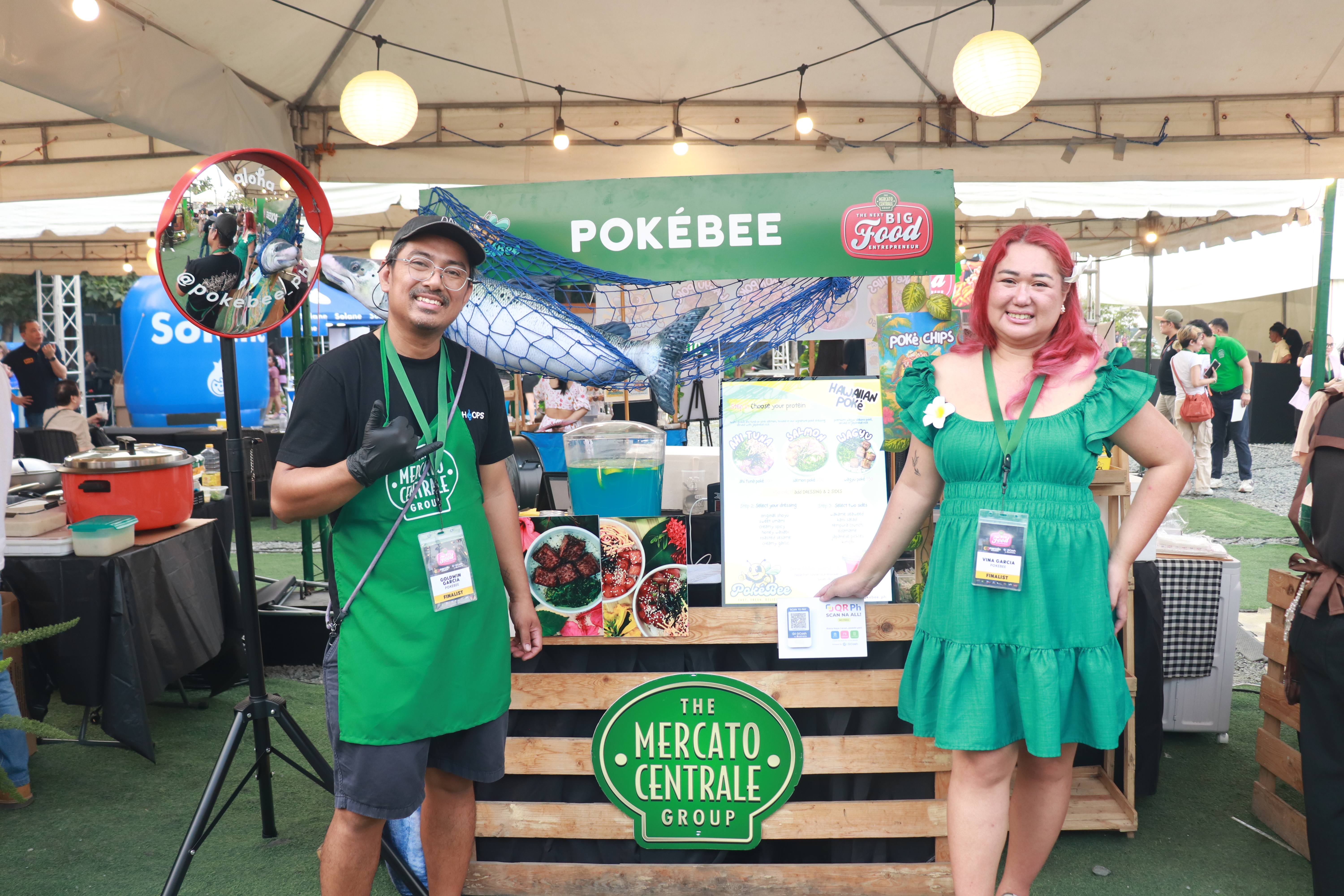
MANILA — The final round of The Next Big Food Entrepreneur (NBFE) 2026 had all the trappings of a classic competition: savory aromas drifting past food stalls, a steady hum of hungry customers, and a panel of judges quietly making notes. But for the husband-and-wife team behind PokéBee, the stakes were intensely personal. Among the ten food startups that set up shop at Mercato Centrale Bridgetowne in Pasig City on April 18, 2026, their stall carried more than just fresh fish and house-made sauces. It carried a recipe originally crafted by Goldwin Garcia’s late brother, a promising home cook who had adapted traditional Hawaiian poke for the Filipino palate—but passed away before he could see the brand come to life.
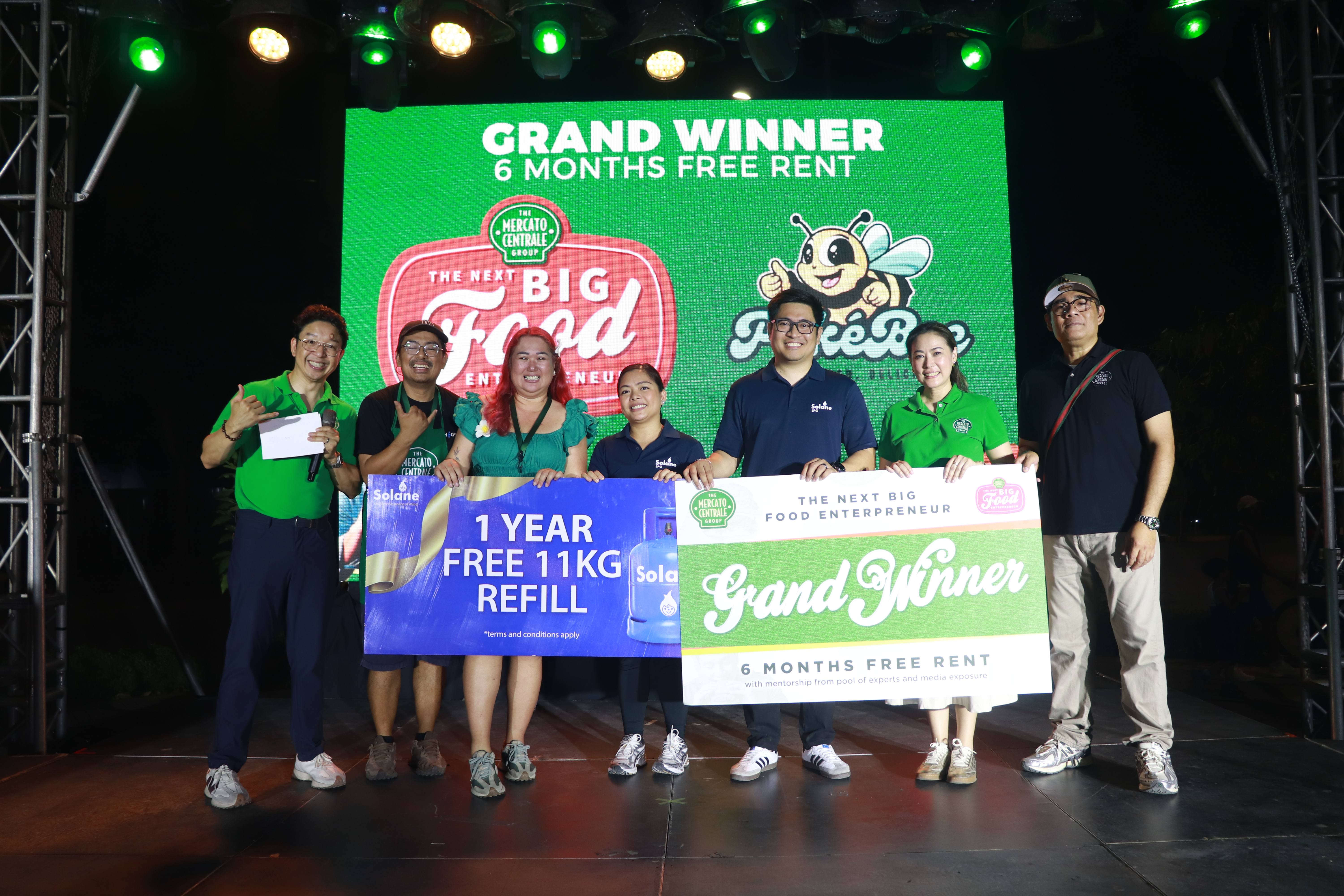
When PokéBee was named the grand winner of this year’s nationwide search, the victory transcended the usual startup accolades. It was a quiet, heartfelt tribute to a lost family member, and a validation of the Garcias’ belief that high-quality, affordable poke could find a permanent home in the country’s fast-casual dining scene.
From Fine-Dining Price Tags to a Fast-Casual Mission
Goldwin and Vina Garcia did not stumble into the food business by accident. They were long-time customers of the growing number of poke shops in Metro Manila, but they repeatedly encountered the same frustration: what was a common street food in Hawaii was being repackaged here as a premium product, often priced at ₱400–₱600 per bowl. “We knew that good poke shouldn’t be a luxury meal,” Vina recalled. “Goldwin’s brother had already developed a more affordable, localized recipe that still respected the original Hawaiian flavors. We just needed the right moment to bring it to market.”
That moment arrived when Mercato Centrale launched the open call for NBFE 2026 in February. The competition, now in its fourteenth year, has become the country’s premier launchpad for emerging food entrepreneurs, with past alumni including Mama Lou’s, Merry Moo, and Tokyo Tempura. The Garcias saw the program as the ideal platform to honor both the recipe and the brother who created it.
A Four-Stage Gauntlet: From Digital Sift to Live Grand Finale
More than 60 entries came in from across the country after the February 18, 2026 call for submissions. Applicants were required to submit a 30- to 40-second video on social media showcasing their product, inspiration, and brand vision using the hashtag #NBFE2026Entry. Longlisted brands then advanced to a “Tasting Table” session, where they presented their creations to a curated panel of foodies and key opinion leaders. The focus was not only on flavor but also on the founder’s story and market potential.
The ten finalists, including PokéBee, were then invited to an exclusive bootcamp under Mercato Academy, in partnership with the De La Salle–College of St. Benilde. Held at the School of Hotel, Restaurant, and Institution Management, the hands-on sessions covered food costing, branding, operations, and go-to-market strategy. Resource speakers came from SHRIM, GoNegosyo, GCash for Business, and Mercato Centrale itself. The bootcamp ensured that winners would have not just a great recipe but a viable, scalable business model.
The grand finale on April 18 transformed the Bridgetowne location into a lively open-air food hall. Each finalist operated a stall and sold products directly to the public, while judges evaluated them based on four criteria: flavor and product strength (30%), concept and brand story (20%), business readiness and execution (25%), and market popularity (25%). For the Garcias and their five-person team, the weekend was a blur of chopping, mixing, and smiling at customers—but the crowd response was immediate and enthusiastic. “People kept coming back for a second bowl,” Goldwin said. “That was when we felt, maybe we really have something here.”
The Winning Bowl: How PokéBee Localizes a Hawaiian Classic
Hawaiian poke (pronounced POH-keh) traditionally consists of raw, cubed fish—typically tuna or salmon—tossed in a soy-based sauce and served over rice. The Garcias stayed true to that foundation but introduced several innovations to suit the Filipino palate and budget. Their bowls start with a base of warm, seasoned rice; customers choose from tuna, salmon, tofu, or a combination, add toppings such as edamame, cucumber, pickled radish, seaweed, and pineapple, and finish with a house-made sauce. Three proprietary sauces anchor the menu: a classic shoyu, a spicy mayo-wasabi blend, and a tangy calamansi-soy mix that adds a distinctly Filipino citrus kick.
“We wanted each ingredient to be recognizable and affordable,” Vina explained. By streamlining sourcing and portioning, the couple kept their average bowl price between ₱250 and ₱350—significantly lower than most existing poke concepts. This pricing strategy impressed the judges, who were looking for brands that could scale beyond a single market stall and appeal to a broad, budget-conscious customer base.
Full Winners’ Circle: Second Place, Third Place, and Special Citations

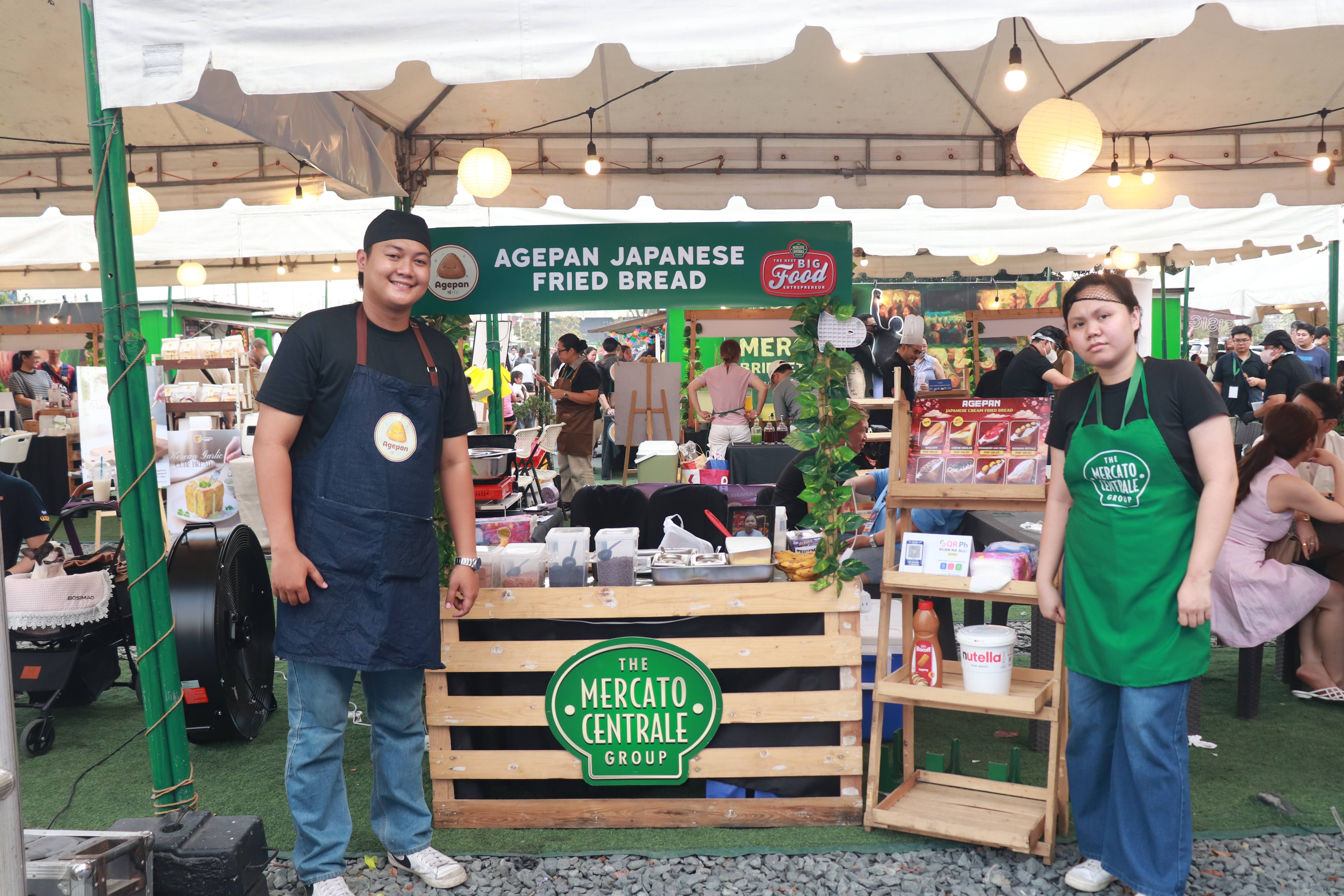
The NBFE 2026 judging panel awarded second place to Agepan Japanese Fried Bread, which secured three months of free rent at Mercato Centrale. Agepan captivated the judges by bringing an authentic Japanese street-food experience to the local market, headlined by its signature Crème Brûlée—a custard-filled, freshly fried bread that balances a crispy exterior with a soft, decadent center.

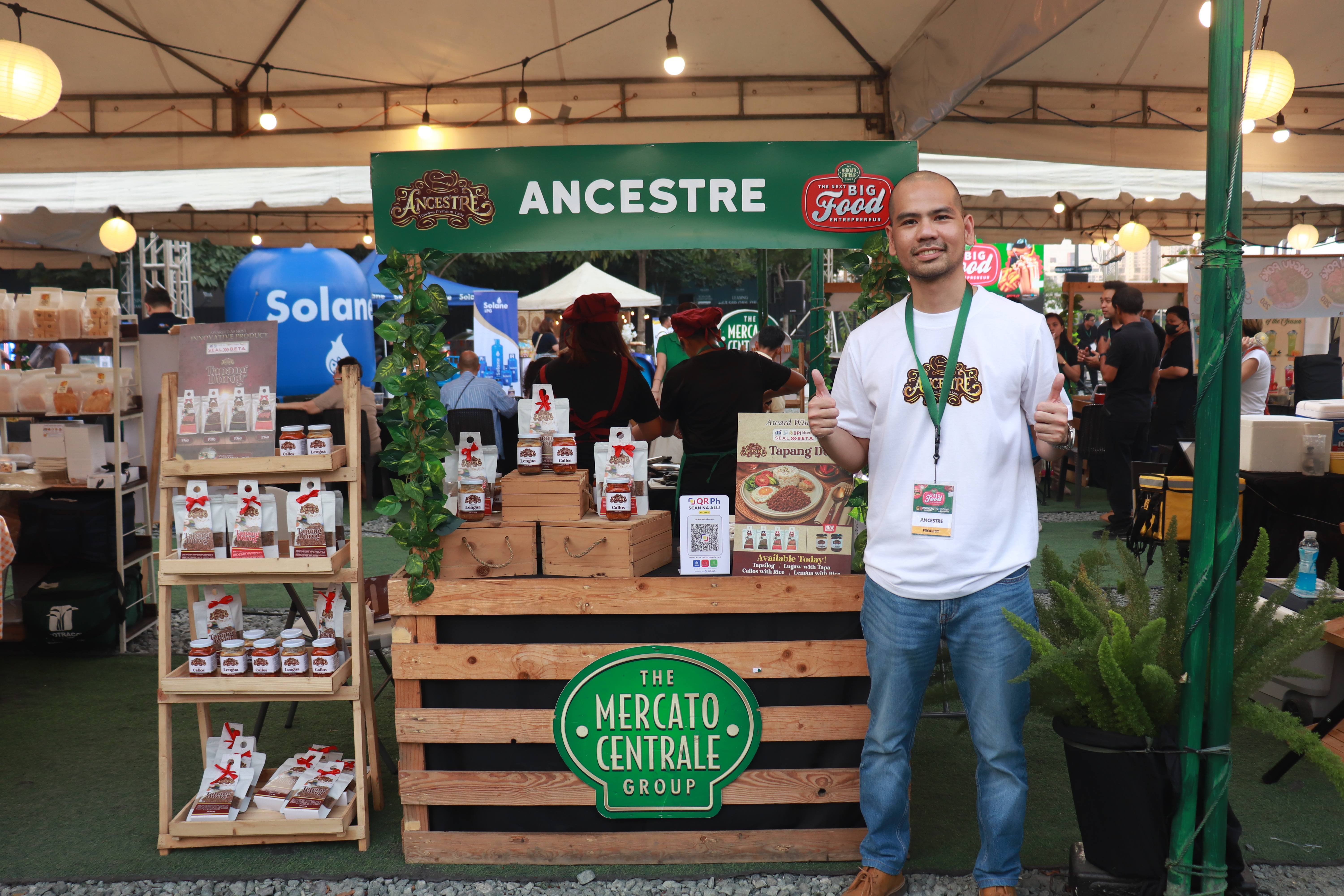
Third place, receiving two months of free rent, went to Ancestre, a premium ready-to-eat brand owned by Jose Renato Mariano III. Ancestre modernizes Filipino flavors with its flagship Tapang Durog, a finely shredded, richly marinated beef dish based on a cherished 1965 family heirloom recipe.
Special citations were also awarded to standout finalists. Jhay’s Kitchen earned the Magnolia Quickmelt & Magnolia GOLD Culinary Edge Award for its creative and flavorful integration of Magnolia products into their menu. Meanwhile, Cube Bread MNL received the GCash Business Rising Award for its unique concept and significant market expansion potential.
From Grief to Growth: The Emotional Backbone of the Brand
The personal story behind PokéBee added a layer of resonance that the judges found compelling. Goldwin’s brother, an enthusiastic home cook, had spent months experimenting with traditional Hawaiian poke recipes, trying to make them work with locally available fish and produce. He succeeded, but never lived to see his adaptations become a commercial reality. “When we finally decided to enter NBFE, we knew we were carrying his vision forward,” Goldwin said. “Every bowl we serve has a piece of his story.”
This emotional core distinguished PokéBee from the other finalists. As Mercato Centrale President Vanessa Ledesma noted, “PokéBee is solving a real market gap. By localizing Poké for the Filipino palate, they are fulfilling a vital, meaningful role in our food ecosystem.”
The Prize Package: More Than Just Six Months Free Rent
As the grand winner, PokéBee received a substantial starter package designed to accelerate its growth from a single pop-up operation into a multi-branch brand. The award includes:
Six months of rent-free residency at a prime Mercato Centrale location
A mentorship grant from a pool of industry experts
A one-year supply of 11-kg LPG refills from Solane LPG
Second-place Agepan received three months of free rent, while third-place Ancestre received two months. All Top 10 finalists will receive introductory rates and exclusive discounts to operate within Mercato Centrale locations, ensuring that their promising concepts have a chance to evolve in a real-world market environment.
The NBFE 2026 program is co-presented by GCash for Business, and its bootcamp partner, De La Salle–College of St. Benilde, has been instrumental in providing technical and business training to ensure that winning brands are not just delicious, but operationally sound.
What’s Next for PokéBee?
For the Garcias, the immediate priority is fulfilling the six-month residency requirement, which will see them operate a dedicated stall at a Mercato Centrale location while fine-tuning operations, expanding their supplier network, and potentially adding delivery services. They also plan to engage with the mentorship grant to refine their brand’s packaging and digital presence, steps that could position them for a future brick-and-mortar expansion.
“We want to make poke as common and as accessible as sisig or tapsilog,” Goldwin said, smiling. “It’s not a far-off idea—it’s already happening, one bowl at a time.”