A Market Is More Than a Building
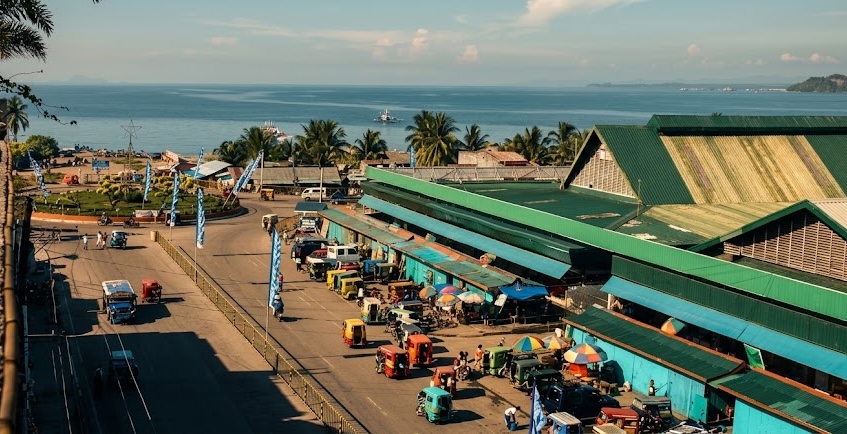
GENERAL SANTOS CITY - Public markets function as daily destinations for thousands of people. They influence transportation patterns, commercial activity, and consumer behavior. The redevelopment of the central market into Palengke Heneral represents more than a construction project. The redesigned facility aims to combine traditional market functions with modern commercial features. Such changes can influence where people shop, how they travel, and which businesses benefit from increased activity. Market districts often serve as economic centers whose influence extends far beyond their physical boundaries.
Streets Tell Their Own Story
Urban development affects public space as much as private property. When major destinations evolve, nearby streets often experience changes in pedestrian flow and commercial demand. Businesses adapt to new opportunities while visitors discover different routes through familiar areas. These adjustments may seem gradual, but they shape how neighborhoods function. The Palengke Heneral project illustrates how redevelopment can influence daily routines. The long-term impact may depend as much on surrounding activity as on the building itself.
Development Through Connection
Cities grow through relationships between places rather than isolated projects. Markets connect producers, vendors, consumers, and service providers within a shared ecosystem. Modernization efforts therefore influence multiple sectors simultaneously. The redevelopment of the General Santos central market highlights this interconnected nature of urban growth. By examining how people interact with spaces, rather than focusing only on construction, it becomes easier to understand how development shapes the broader city experience.