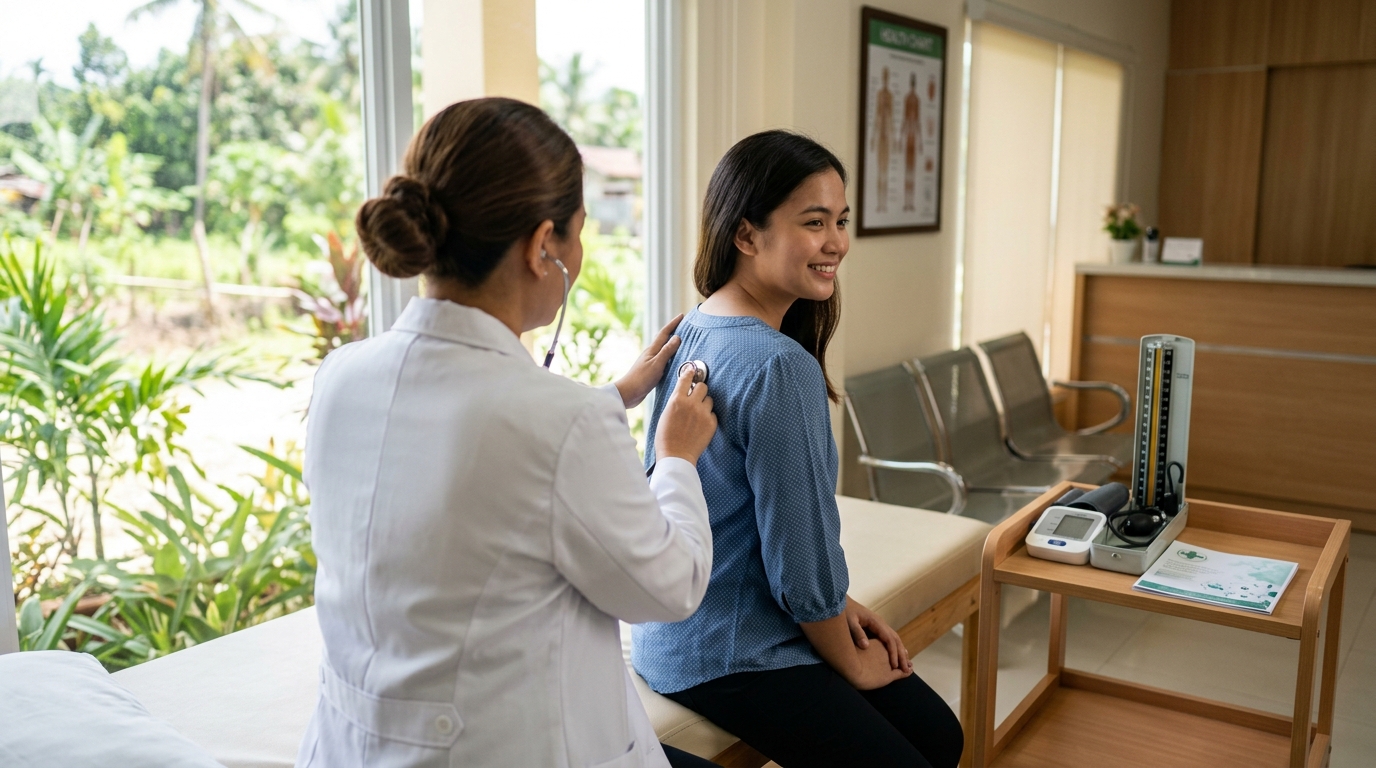
DAVAO CITY — PhilHealth-11 and DILG-11 signed a memorandum of agreement on June 22, 2026, to accelerate Universal Health Care coverage across the Davao Region. The partnership promises to strengthen community health systems and make the area an even more attractive location for homebuyers and investors.
Healthcare as a Real Estate Magnet
Access to quality health services ranks among the top priorities for families choosing where to live. The MOA directly expands primary care access through the YAKAP program, ensuring that every barangay can connect residents to checkups, laboratory tests, and medicines. When healthcare infrastructure is robust and visible, neighborhoods become more desirable and property demand rises.
PhilHealth Regional Vice President Harvey Carcedo emphasized that families often delay medical consultations due to cost worries, while communities wait for services to reach them. The partnership addresses both concerns by bringing enrollment, advocacy, and primary care directly to the barangay level. Buyers and renters perceive such proactive governance as a sign of a well‑managed locality worth investing in.
Barangay‑Level Coverage Enhances Neighborhoods
DILG-11 Regional Director Abdullah Matalam noted that barangay captains serve as the first point of contact for communities. By training local leaders and health workers as knowledge officers, the program ensures that every resident understands their health benefits and how to access them. Informed, healthy communities are more stable and resilient, qualities that directly correlate with long‑term property value retention.
The partnership also focuses on data collection and empowerment. Accurate local health data helps planners identify underserved areas, guiding future infrastructure investments. For real estate developers, this kind of government data is invaluable when scouting locations for new residential projects, ensuring that future communities are built where services already exist or are planned.
Digital Streamlining Speeds Access
The rollout of the Digital YAKAP Empanelment Slip allows residents to register at local health centers without cumbersome paperwork. This frictionless experience signals to prospective homeowners that the local government has modernized its public services. Cities that invest in health tech create a positive feedback loop, attracting skilled workers who expect efficient, tech‑enabled public services in their chosen neighborhoods.
Carcedo added that the collaboration is about bringing government closer to the people. When barangay captains actively promote health registration, the entire community becomes more engaged and proactive. This heightened community participation often translates into better‑maintained public spaces and a stronger sense of neighborhood pride, factors that enhance curb appeal and overall marketability.
Maternal Care Expansion Supports Young Families
A new PhilHealth circular issued on the same day expands maternity care benefits and requires all pregnant persons to be registered at a YAKAP clinic. The DILG’s role in mapping and enrolling pregnant women at the barangay level makes this policy actionable. For young families considering where to settle, comprehensive maternal care is a powerful draw, making Davao increasingly attractive for first‑time homebuyers.
The integrated care coordination ensures that expectant mothers receive seamless referrals from community health stations to accredited facilities. Such a safety net gives families confidence to put down roots. Real estate developers can leverage these healthcare expansions as selling points, marketing their properties as part of a holistic, family‑centered community.
A Livability Boost for Davao
The MOA strengthens Davao’s reputation as a city that prioritizes the well‑being of its residents. Strong public healthcare infrastructure, from preventive checkups to specialized maternal care, is a critical pillar of urban livability. As more Filipinos seek homes in locations that offer both economic opportunity and quality of life, Davao’s investment in UHC becomes a competitive advantage.
Real estate investors track such developments closely. A healthy, insured population reduces the economic risks associated with medical emergencies, making the regional market more stable. The PhilHealth‑DILG partnership is thus not merely a health milestone; it is a long‑term anchor for property demand, neighborhood revitalization, and sustained real estate growth.