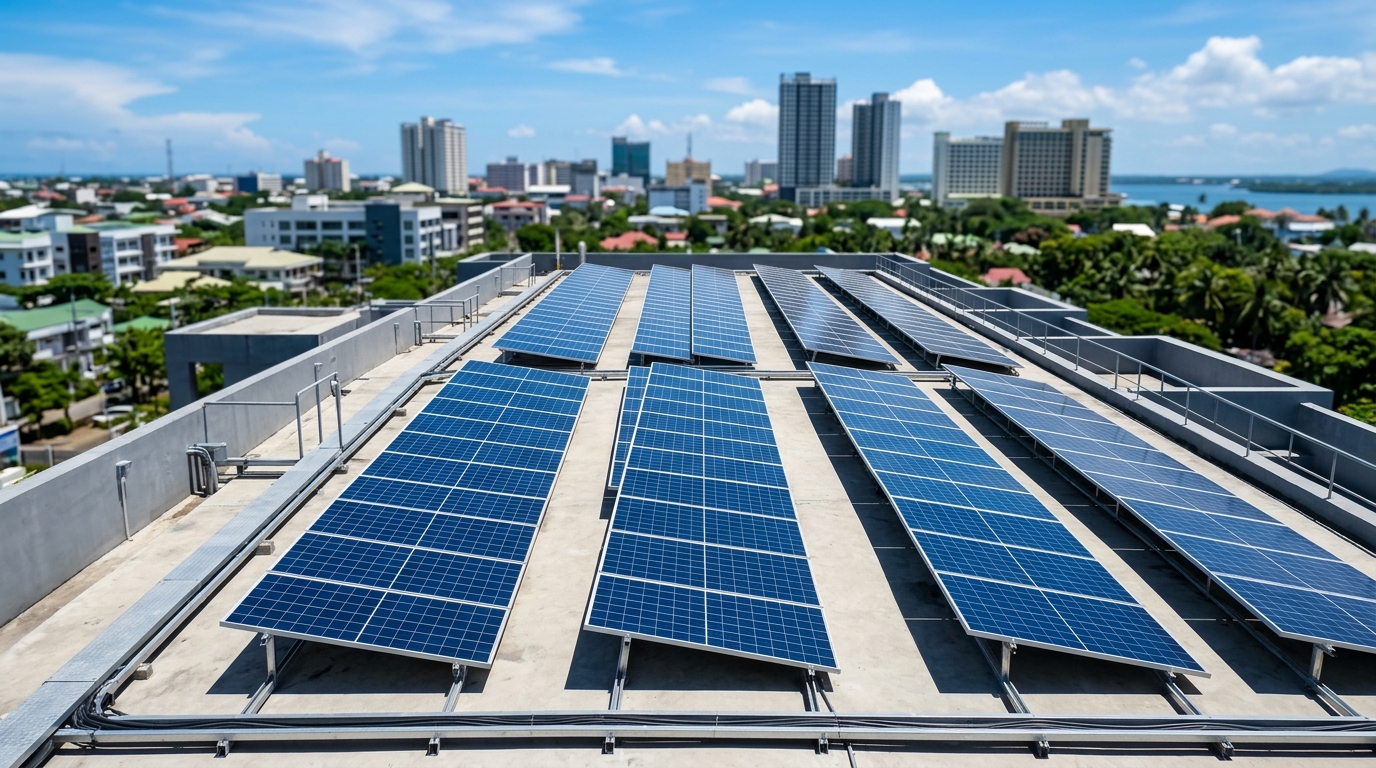
ILOILO CITY — A city that runs on sunshine is not merely a slogan in Iloilo. On April 21, 2026, the Sangguniang Panlungsod passed Resolution No. 2026‑0236, urging all 180 barangays to adopt solar power systems in community facilities. The move turns Iloilo into a destination where sustainability isn't a marketing tag—it's wired into the city's grid. For travelers, it means a place that walks its green talk.
Mayor Raisa Treñas‑Chu framed the policy as both economic and environmental. "Sa aton ginatubang nga national energy emergency, kinahanglan naton ang practical kag long‑term solutions," she said. The city's technical offices were directed to assist barangays with design and implementation. For a destination that already draws visitors for its UNESCO gastronomy and Esplanade, the solar mandate adds a layer of credibility that resonates with a growing global segment: the eco‑conscious traveler.
A City Hall That Already Runs on Sunlight
The policy didn't start from scratch. City Hall itself has been powered partly by 134 rooftop solar panels generating 60 kilowatts daily—enough for about one‑third of the building's needs. Public schools and dialysis centers have followed suit, turning municipal rooftops into silent power plants. The pattern is spreading across the cityscape that tourists walk, dine, and sleep in.
Private developers are matching the public push. SMDC energized its first renewable energy system in the Visayas at Style Residences in April 2026, with solar panels powering common‑area lighting and shared facilities. The project is expected to cut energy consumption by roughly 15 percent, directly lowering association dues. A tourist staying in a solar‑powered building is participating in the city's energy transition without lifting a finger.
A Destination That Thinks Beyond the Festival Calendar
Iloilo has earned its second consecutive ASEAN Clean Tourist City Award, a recognition that evaluates cleanliness, environmental management, and visitor safety. The solar mandate reinforces that credential, addressing the "sustainability" criterion that international travelers increasingly check before booking. For the conference delegate choosing between Iloilo and a competing regional hub, a city government that has urged all its barangays to generate clean energy makes the decision easier.
The mandate also dovetails with the city's broader green infrastructure: the 10,000‑tree corridor along Diversion Road, the solar‑powered cooling hubs on major streets, and the Esplanade's mangrove restoration. These are not isolated projects but pieces of an integrated urban design that tourists can see and feel. A walk along the Esplanade or a bike ride through the green corridor now sits within a citywide narrative of environmental responsibility.
A Model That Other Destinations Are Beginning to Notice
As other Philippine destinations begin studying Iloilo's approach, the city's solar mandate may become its most influential export. It demonstrates that a highly urbanized, densely populated city can build renewable energy into its governance without waiting for national legislation or massive external funding. The 180‑barangay resolution is not a building code or a regulatory requirement; it is an invitation, backed by technical support, that makes going solar the default option rather than the exception.
For the tourist, the solar mandate is largely invisible—and that is the point. The lights stay on. The air conditioning hums. The buildings function as expected. What distinguishes Iloilo is not that it works, but how it works. The energy powering the city comes increasingly from the sun above it, and that quiet fact is becoming part of the destination's identity.