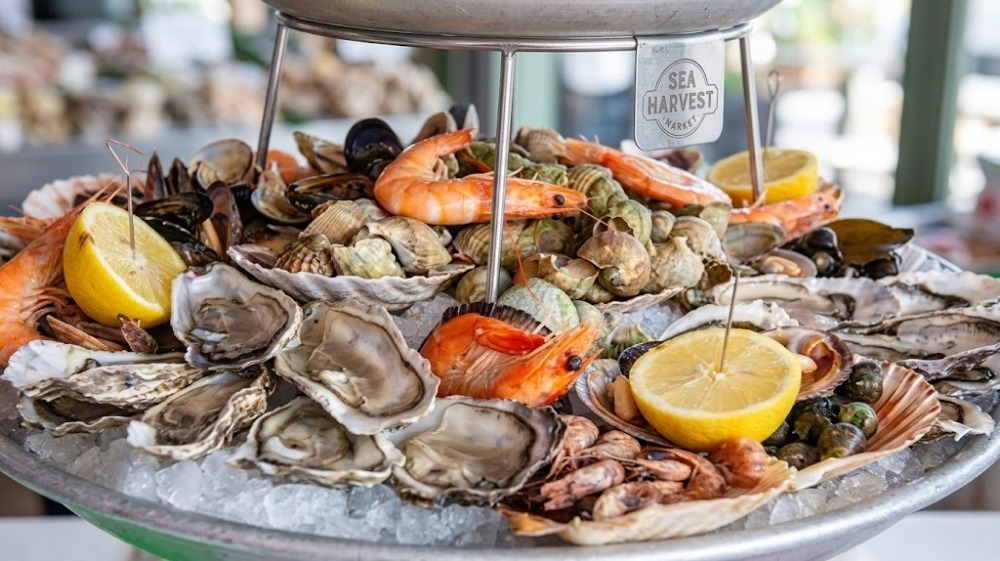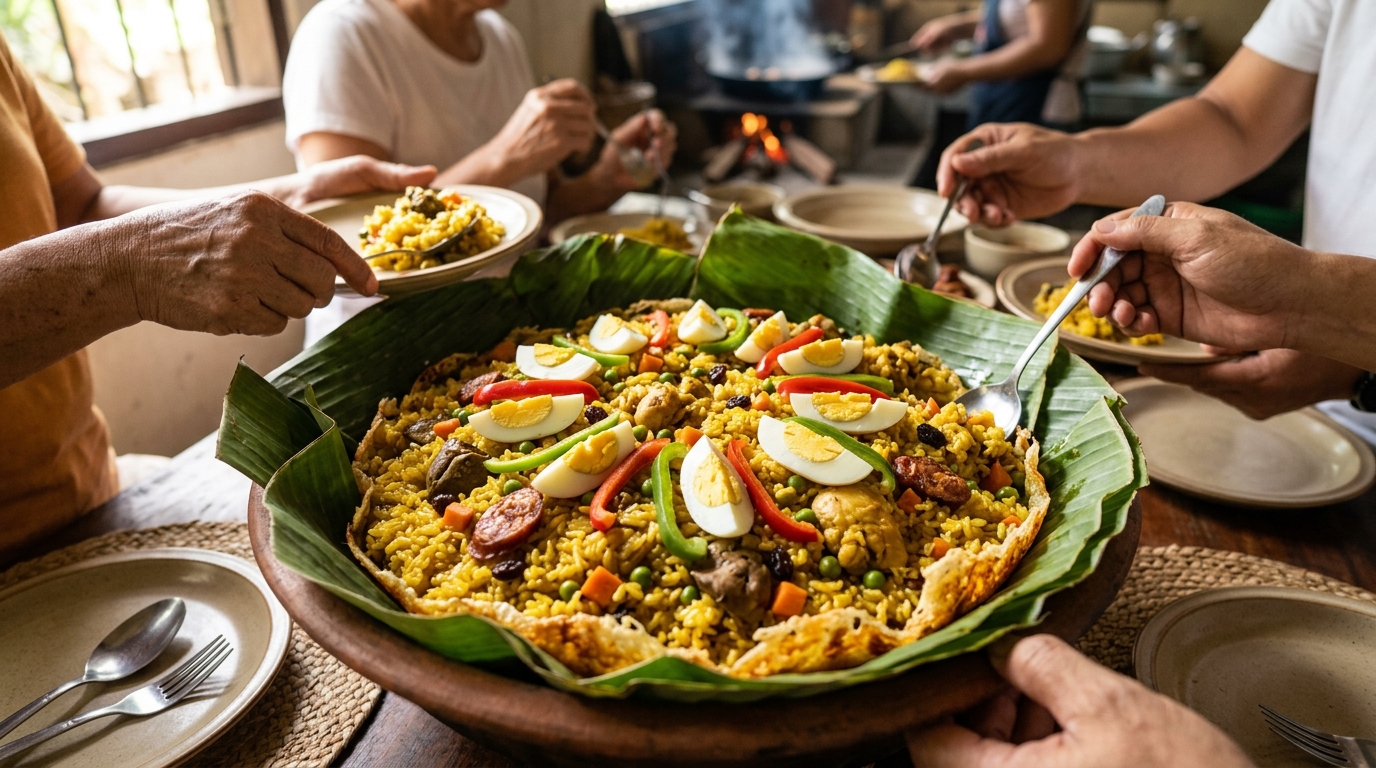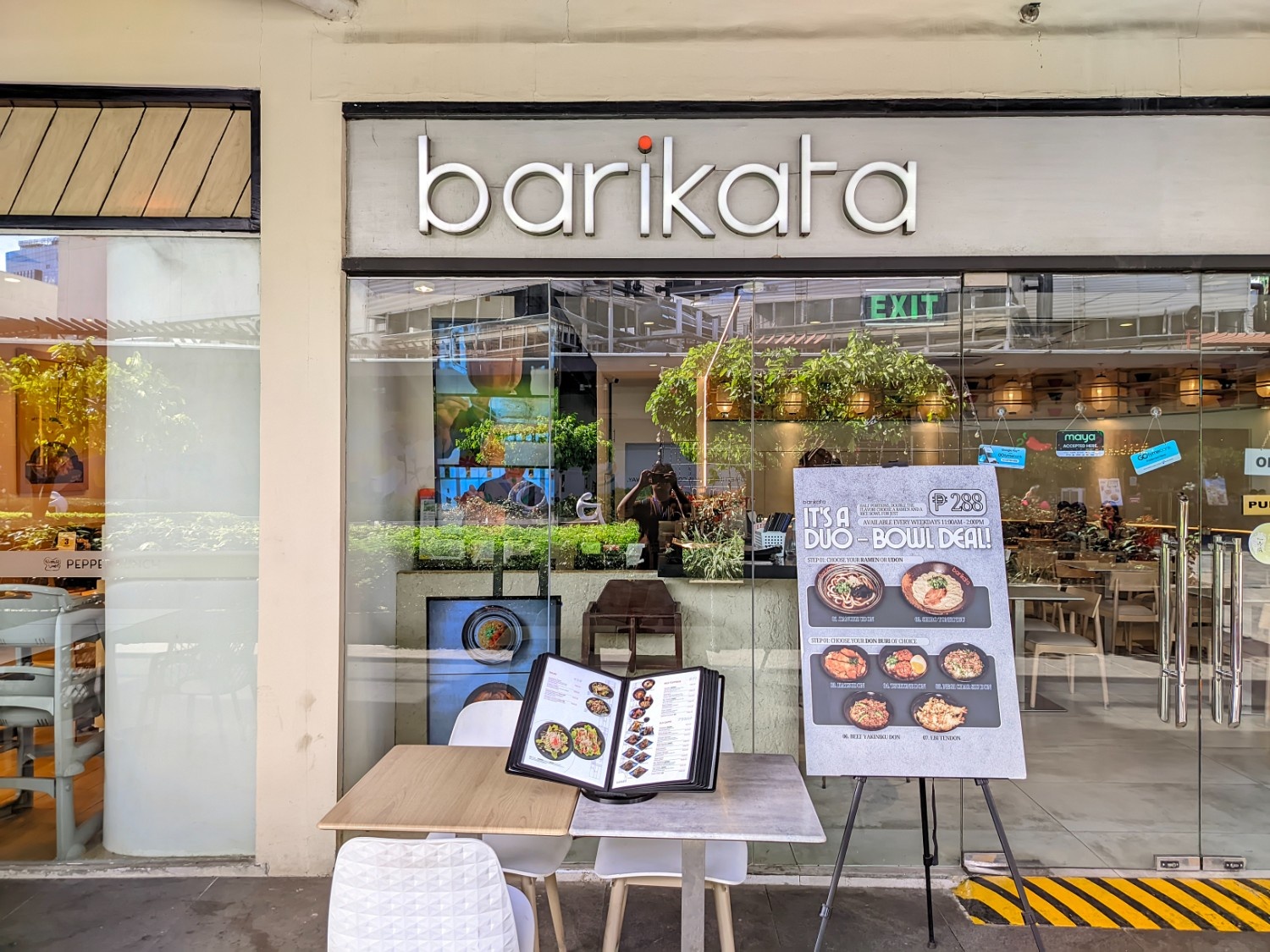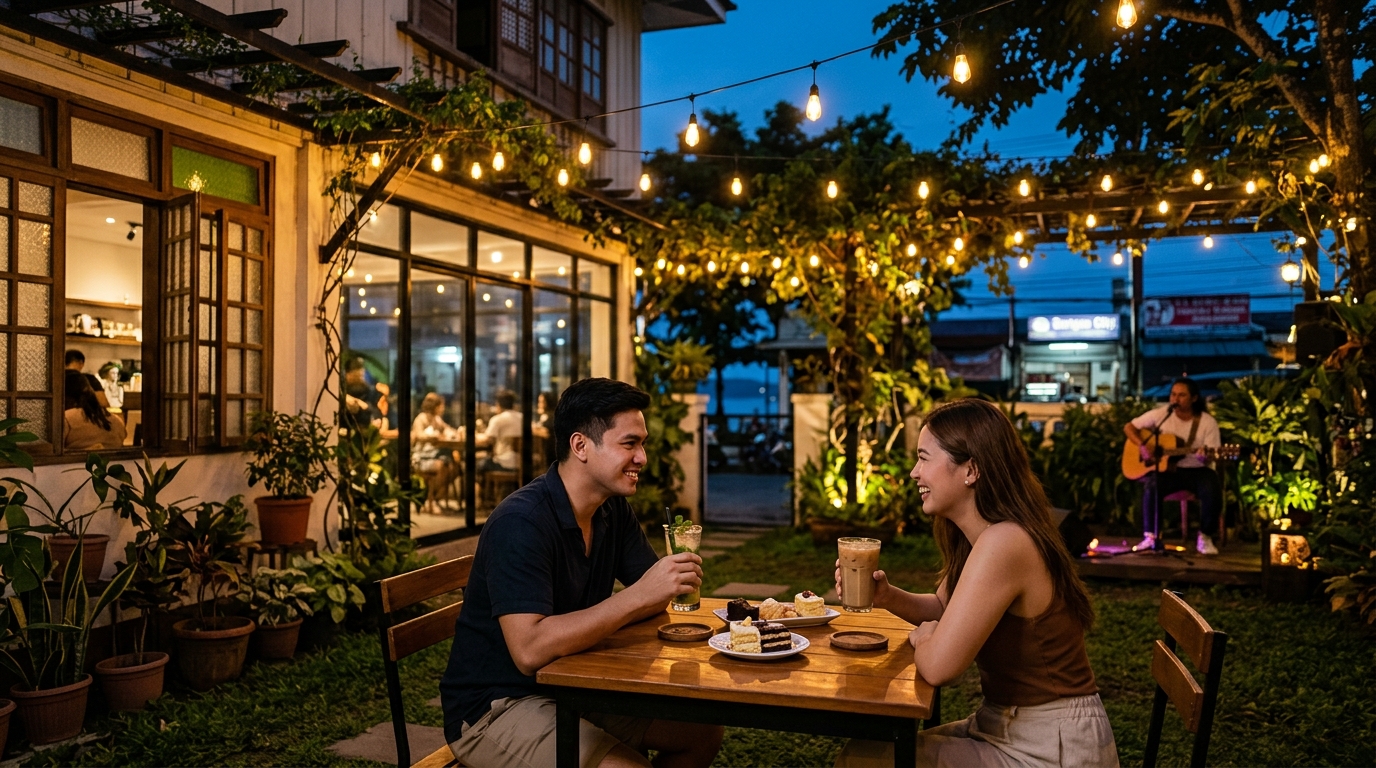
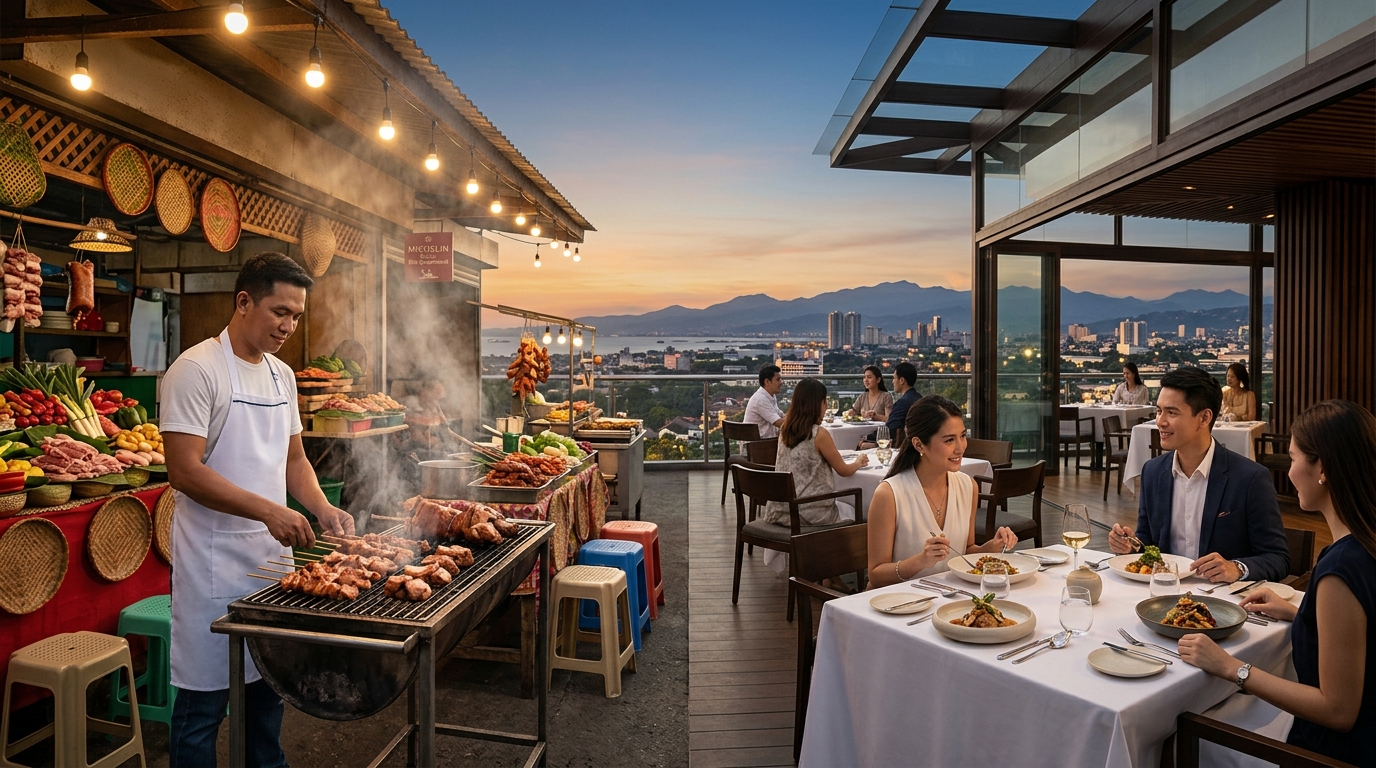
Cebu — The culinary landscape of Cebu is gaining international prestige as the city is officially featured in the debut MICHELIN Guide 2026: Manila & Environs and Cebu Pocket Guidebook. This recognition highlights the richness of local food traditions, ranging from the humble street food stalls of the iconic Carbon Market to sophisticated dining establishments. By putting Cebu on the global culinary map, the guide aims to promote the province’s unique flavors as a fundamental pillar of its cultural diplomacy and tourism efforts. Food enthusiasts and travelers can now access curated, expert-approved recommendations that span the entire breadth of the island's diverse dining culture.
From Street Food to World-Class Bites
The inclusion of Cebu in this prestigious guide reflects the evolution of its dining scene, which seamlessly blends deep-rooted traditions with modern creativity. The guide covers a wide range of categories, acknowledging everything from casual, affordable "Bib Gourmand" spots—recognized for high-quality food at budget-friendly prices—to more formal dining experiences. Whether visitors are exploring the vibrant, bustling aisles of Carbon Market or seeking out the latest avant-garde restaurant, the guide provides a reliable framework for discovering the "real" taste of Cebu. This international validation is a significant boost for local chefs and restaurant owners who have long championed Cebuano ingredients.
A Catalyst for Global Culinary Tourism
This recognition does more than just list restaurants; it transforms Cebu into a must-visit destination for gastronomic tourism. The guide functions as a curated map for travelers, making it easier for visitors to navigate the island's complex but rewarding food scene. As Cebu continues to strengthen its position as a global hub, this culinary branding will likely attract foodies who are specifically traveling to experience regional Philippine delicacies. The presence of these recommendations will encourage local eateries to maintain the highest standards while preserving the authenticity that put Cebu on the map in the first place.
Preserving Culinary Heritage
Ultimately, the Michelin feature serves to honor the historical depth of Cebuano cooking, which has been influenced by centuries of cultural exchange. By documenting and recommending these sites, the guide ensures that traditional cooking methods and ancestral recipes receive the recognition they deserve on a world stage. This is a win for both the economy and the culture, as it links local prosperity directly to the maintenance of heritage-based dining. As more tourists follow these culinary breadcrumbs, the guide will likely inspire new generations of Cebuano chefs to keep innovating without losing their identity.