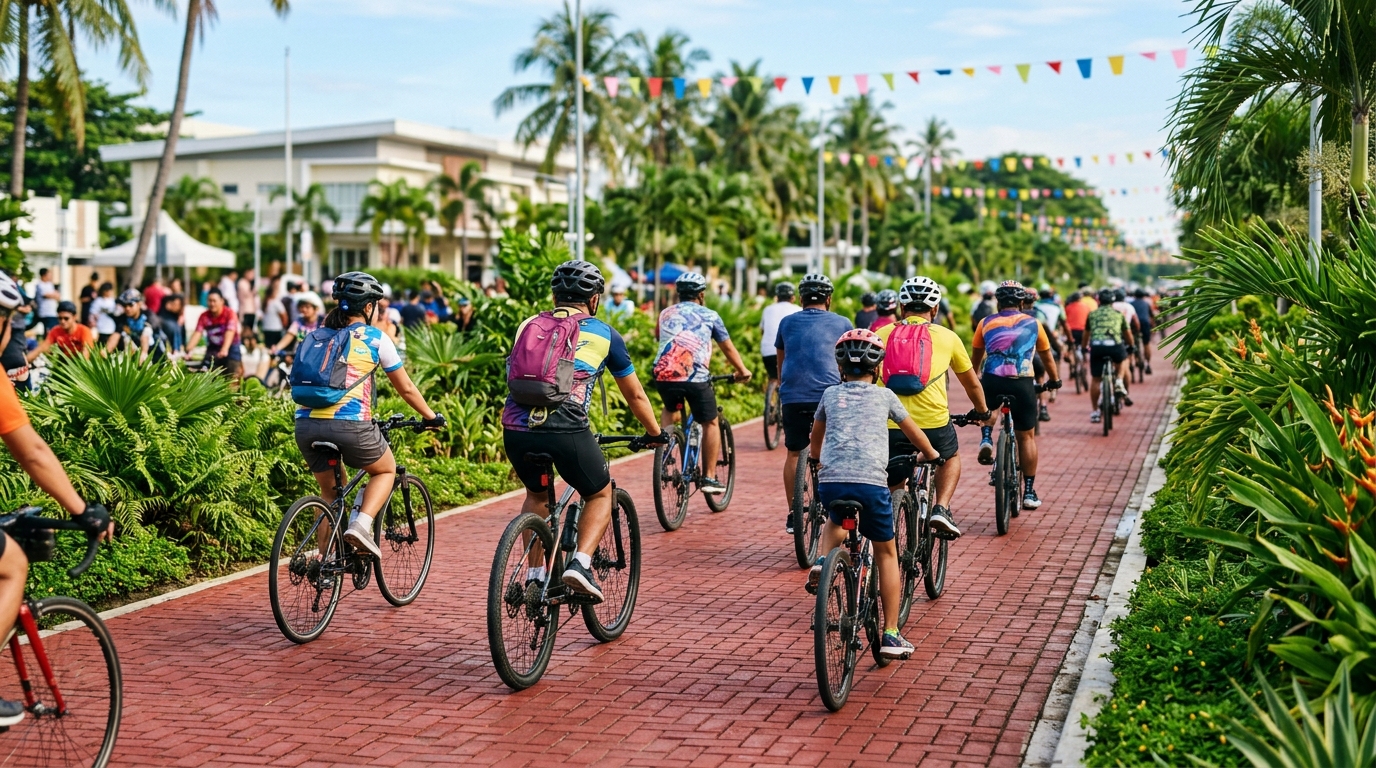
ILOILO CITY — On June 3, 2026, World Bicycle Day, this highly urbanized city will launch its 12th Bike Festival—a month‑long series of events that has grown from a community ride into one of the country’s most celebrated active‑mobility movements. Close to 3,000 enthusiasts from across the country are expected to participate in the festival, which runs through June 30 and has positioned Iloilo as the undisputed Bike Capital of the Philippines. The theme for this year’s edition, “FLOW CITY: Iloilo Always on the Move,” captures a philosophy that now extends well beyond the cycling community: that a city designed for bikes is a city designed for people.
Bike Festival co‑director Jay Treñas described the gathering as a testament to what public‑private collaboration can achieve. “Now there are more cyclists. Now we see people actually using our bike lanes,” he said during a May 20 press conference at the Megaworld Iloilo Business Park Showroom. The festival’s staying power—12 editions and counting—has made it, in Treñas’s words, “a blueprint for other cities across the country.” That blueprint has already been recognized nationally: the city’s I‑BIKE Program won the prestigious Galing Pook Award, honoring it as one of the Philippines’ most innovative local governance initiatives.
A Conference, a Commute, and a City on Two Wheels
The festival opens on June 3 with the Active Mobility Conference, a gathering that will bring together urban planners, government officials, and cycling advocates to discuss the transformative role of sustainable transport in shaping modern cities. Metropolitan Manila Development Authority General Manager Nicolas Torre III will deliver the keynote address, lending the event a national dimension that extends beyond Iloilo’s borders. A mobility count across 11 bike stations will quantify what Ilonggos already know intuitively: the city’s bike lane network is not decorative—it is functional, heavily used, and expanding.
June 5 brings Bike to Work Day, an event that MMDA General Manager Torre is expected to join alongside Mayor Raisa Treñas. City officials are framing the initiative not as a symbolic gesture but as a permanent invitation. “We can promote this not just on a bike fest month, but hopefully, once every month,” Treñas said. “We are encouraging everyone to bike to work on that day. We will be strengthening our enforcement, we will partner with our traffic office to properly zone our bike to work.” The timing is deliberate: with global fuel prices still elevated by the ongoing energy emergency, the economic case for cycling has never been stronger. Iloilo City Executive Assistant for Special Projects Leny Ledesma described Bike to Work Day as “more of a movement to show the active biking culture in Iloilo.”
Beyond the Ride: Food, Music, Duathlons, and Electric Cars
The festival’s programming extends well beyond the saddle. A Bike Food Crawl will guide cyclists through Iloilo’s culinary landscape—a deliberate integration of the city’s UNESCO Creative City of Gastronomy status with its bike culture. The Mega Criterium Race and Push Bike Race will test speed and skill, while the Iloilo Duathlon combines running and cycling for the multisport crowd. The Grand Fun Ride, the festival’s most inclusive event, invites cyclists of all ages and abilities to take over the city’s streets in a rolling celebration of two‑wheeled mobility.
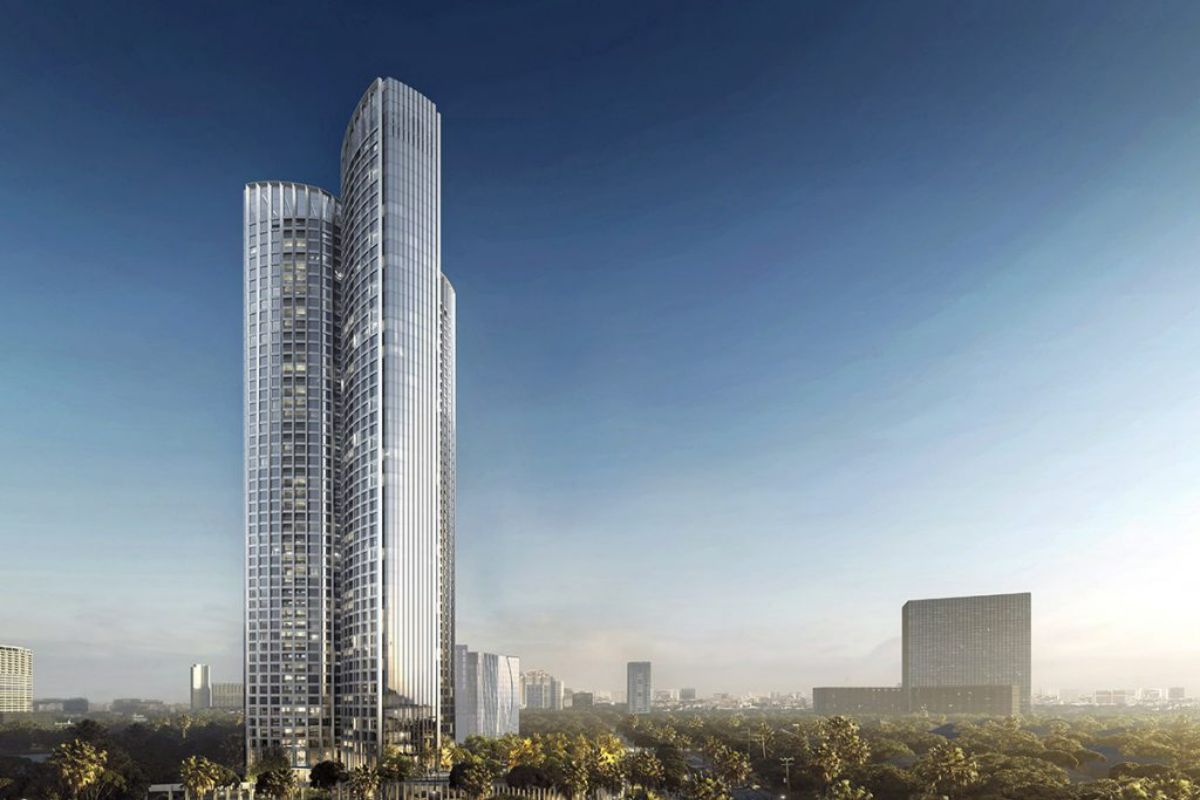
Adding to the festival’s breadth are the Battle of the Bands and an Electric Car Show. The latter is a pointed addition: by showcasing non‑fuel transportation alternatives alongside traditional bicycles, the festival is quietly broadening its definition of sustainable mobility. The majority of events will be hosted at the Iloilo Business Park in Mandurriao, Megaworld’s 72‑hectare township that has become the festival’s spiritual home. Megaworld Visayas First Vice President Jennifer Palmares‑Fong said the company remains committed to the partnership, noting that IBP will “continue to invest in creating a safe and bike‑friendly environment through dedicated bike lanes, bike racks and one of the widest road networks within a private development here in Iloilo.” Her language was that of permanent infrastructure, not seasonal programming: “These efforts encouraged more Ilonggos and visitors to embrace cycling as part of everyday life.”
The festival arrives as Iloilo City’s tourism portfolio continues to mature. The city has already secured its second ASEAN Clean Tourist City award, hosted the Women Playwrights International Conference, launched the Living Heritage Museum Tour, and welcomed a French luxury cruise line for a site inspection—all in the first half of 2026. The Bike Festival, with its 3,000 expected participants, adds an active‑mobility dimension that complements the city’s gastronomy, heritage, and MICE offerings. A tourist who arrives for the festival can spend the morning cycling, the afternoon eating batchoy, and the evening walking the Esplanade—all without ever needing a car. In Iloilo, the flow city, that is precisely the point.