ILOILO CITY — The number of well-nourished preschool children in Iloilo City is steadily climbing, a clear sign that community health programs are taking root. The city's nutrition office shared promising data on July 2, 2026, showing that sustained efforts are paying off, even as new challenges emerge.
Reaching More Children, Tracking Every Growth Milestone
Community Nutritionist-Dietitian Lance Ivan Trespeces announced that the city successfully reached 37,872 young children in the first half of 2026, achieving 84 percent of its coverage target. This wide net ensures that health workers can spot growth faltering early. Regular monitoring turns numbers into early warnings that protect entire families from malnutrition's long shadow.
The backbone of this success lies in programs like Operation Timbang Plus and the distribution of micronutrient supplements. Breastfeeding promotion and district‑level nutrition education have also strengthened the foundation. These initiatives work together, not in isolation, ensuring that a child who is weighed also receives the right food and medical attention.
A Clearer Picture of the Remaining Burden
Despite the positive trends, Trespeces cautioned that malnutrition still wears many faces across the city. Current figures show 359 children underweight and 521 who are stunted, while 366 are already overweight or obese. Undernutrition, overnutrition, and hidden hunger from micronutrient deficiencies coexist, often within the same neighborhoods.
The weight‑for‑age data reveal 37,243 children in the normal range, yet 56 remain severely underweight. Height‑for‑age measurements point to 92 severely stunted and 429 stunted children. For weight‑for‑height, 27 are severely wasted and 76 moderately wasted, while 213 are overweight and 153 obese. Each statistic is a child whose growth trajectory needs urgent attention.
Screens, Snacks, and the Shift in Childhood Habits
Trespeces pointed to a modern culprit behind the rise in overnutrition. Children are spending more time on gadgets and less time playing outside, while processed foods have become cheap and readily available. This combination of sedentary behavior and easy calories is quietly reshaping the health of the city's youngest residents.
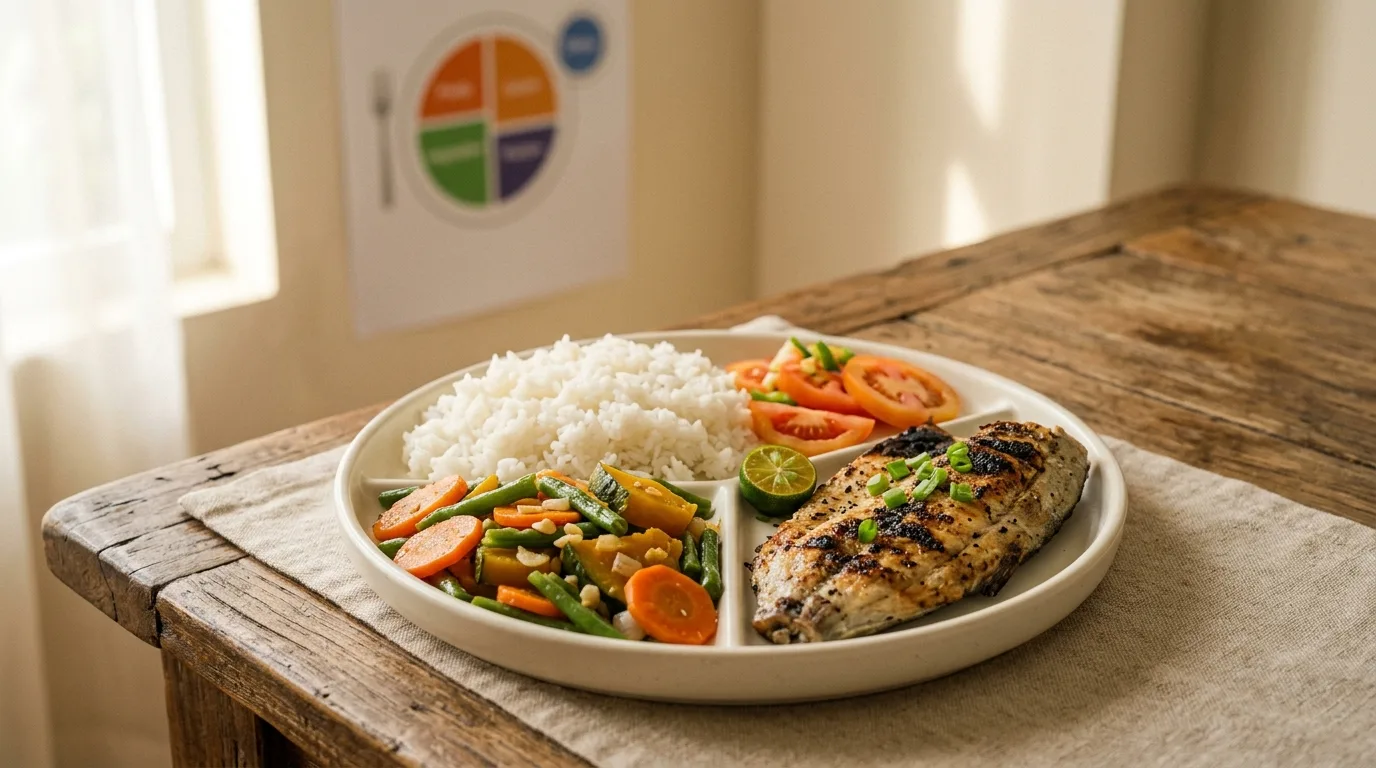
To counteract these forces, health officials are doubling down on education campaigns that reach families where they live. The Pinggang Pinoy model—a simple visual guide to balanced meals—is being promoted as an everyday kitchen tool. Trespeces emphasized that nutrition is about eating the right kind of food, not just eating more.
The First 1,000 Days: A Window of Opportunity
The city’s programs place special emphasis on the first 1,000 days of life, from pregnancy through a child’s second birthday. Proper nutrition during this critical window can prevent stunting and lay the groundwork for lifelong health. Barangay health workers are trained to counsel mothers on breastfeeding and the timely introduction of nutritious complementary foods.
These home‑based interventions are paired with growth monitoring and supplemental feeding when needed. The goal is to catch problems before they become permanent. When a child falls behind on the growth chart, the system is designed to respond quickly, with follow‑up visits and tailored support.
A Community‑Wide Promise to Every Child
Trespeces affirmed that the Nutrition Center and City Health Office remain deeply committed to working alongside barangays, schools, healthcare workers, and partner agencies. The vision is clear: every Ilonggo child deserves the chance to grow up healthy, active, and well‑nourished. The city is proving that sustained effort, backed by data and community trust, can turn the tide on malnutrition.