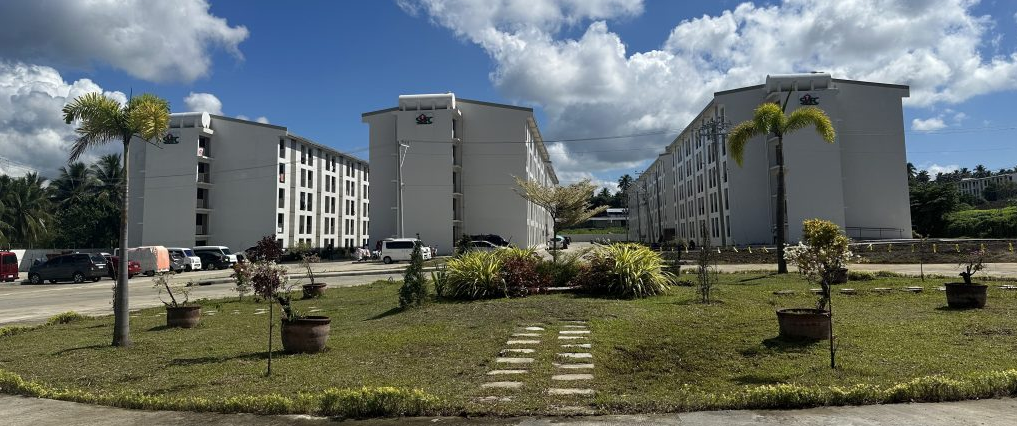
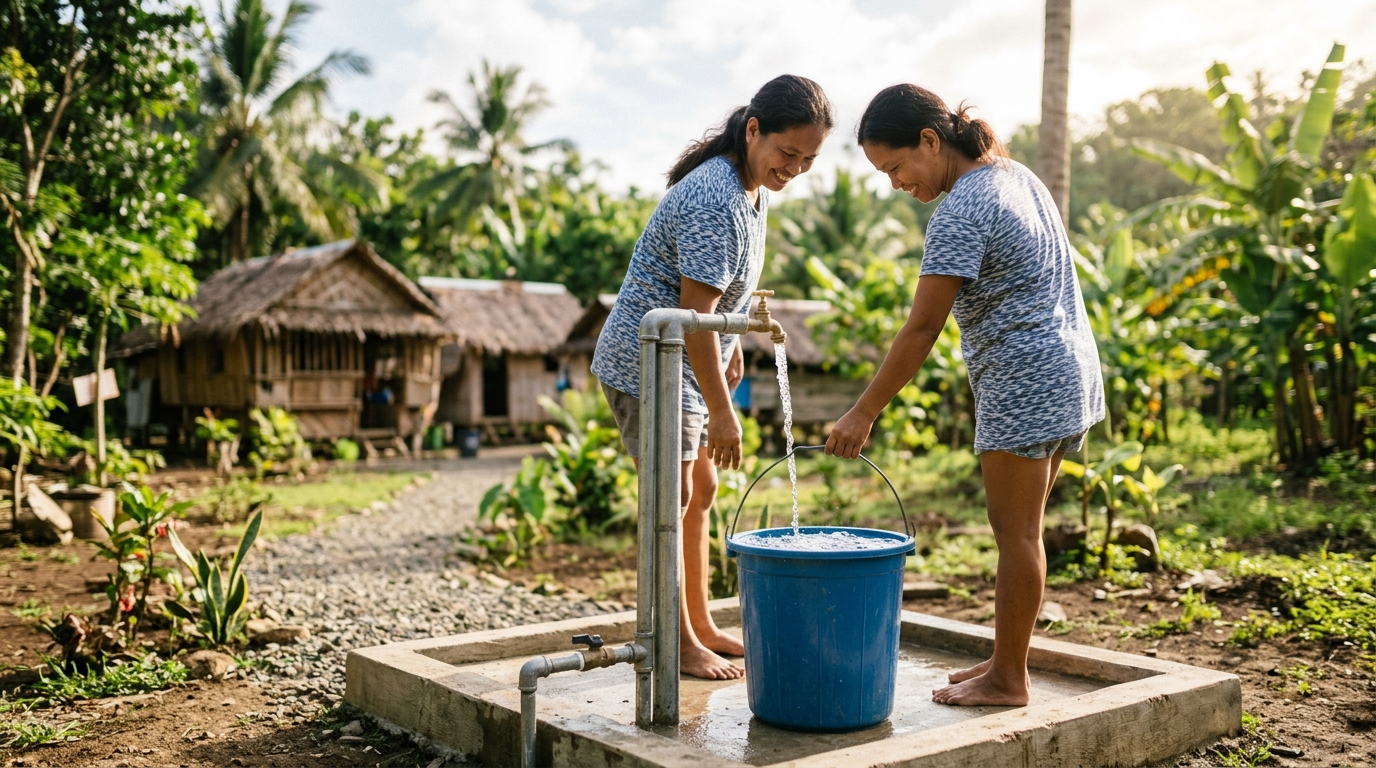
ILOILO CITY — Governor Arthur Defensor Jr. and Provincial Engineer Romeo Andig released over ₱28 million on May 11, 2026, funding new water systems and upgrades across six upland and rural localities. The distribution targets barangays where residents have long spent time and money sourcing potable water from distant areas. For the province's property sector, the investment signals that water infrastructure is now reaching the municipalities where Iloilo's residential expansion is heading next.
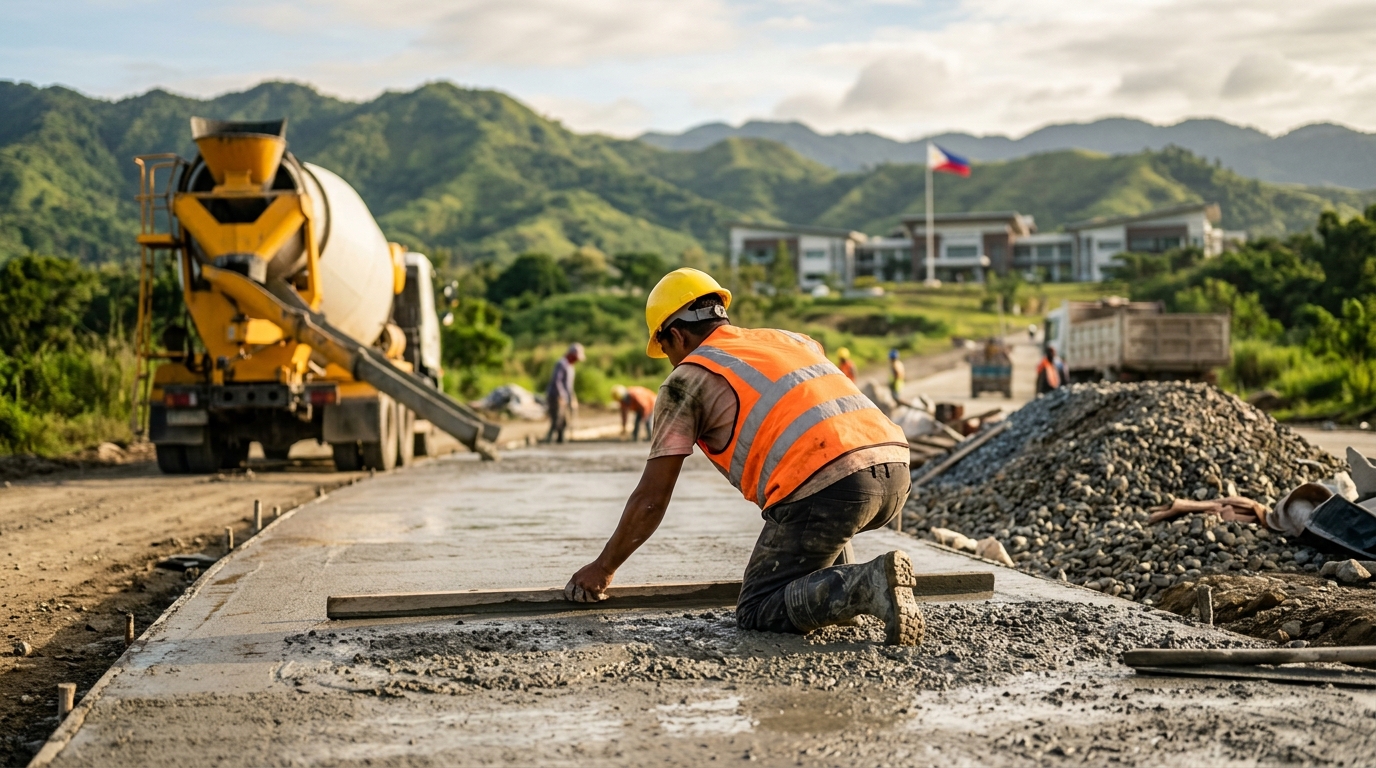
The allocations span Miagao, San Joaquin, Alimodian, Dueñas, and Passi City. Barangay Calampitao in Miagao received ₱3.5 million for a new water system, while Barangay Malagyan obtained ₱2.5 million for improvements. San Joaquin's Barangay Roma secured ₱3.2 million, and Barangay Igcaphang received ₱3 million for facility upgrades. Alimodian's Barangay Gines got ₱3.5 million, with Barangays Tabug and Cunsad receiving ₱3 million and ₱4 million respectively. Barangay Lacadon in Dueñas and Barangay Magdungao in Passi City each received funding for new system construction.
Water Security as the Next Property-Value Driver
Only 11 of Iloilo's 43 local government units meet the national benchmark for safely managed drinking water services. Most households still rely on wells, springs, and communal sources, with merely 28.33 percent having direct household connections—well below the 62 percent national target. These figures describe a structural constraint on residential development that the provincial government is now systematically dismantling.
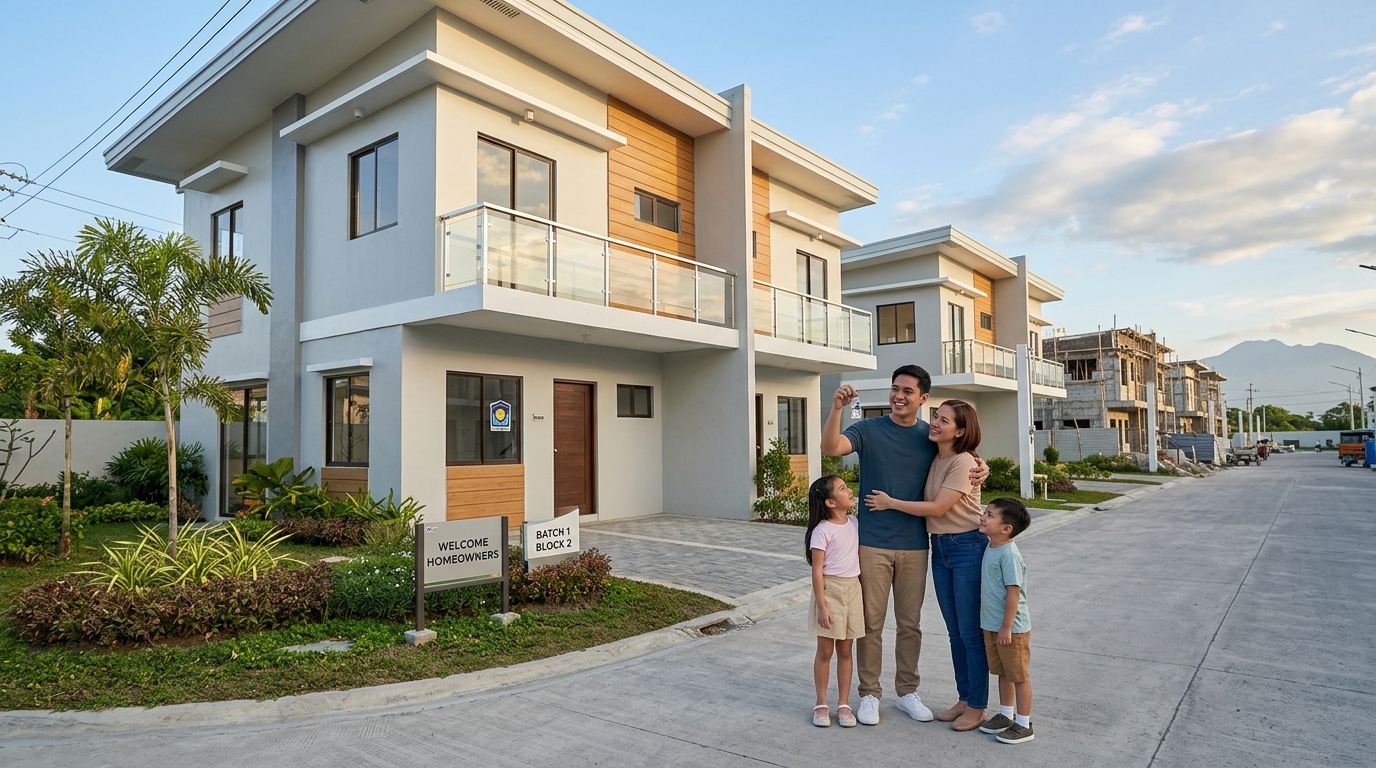
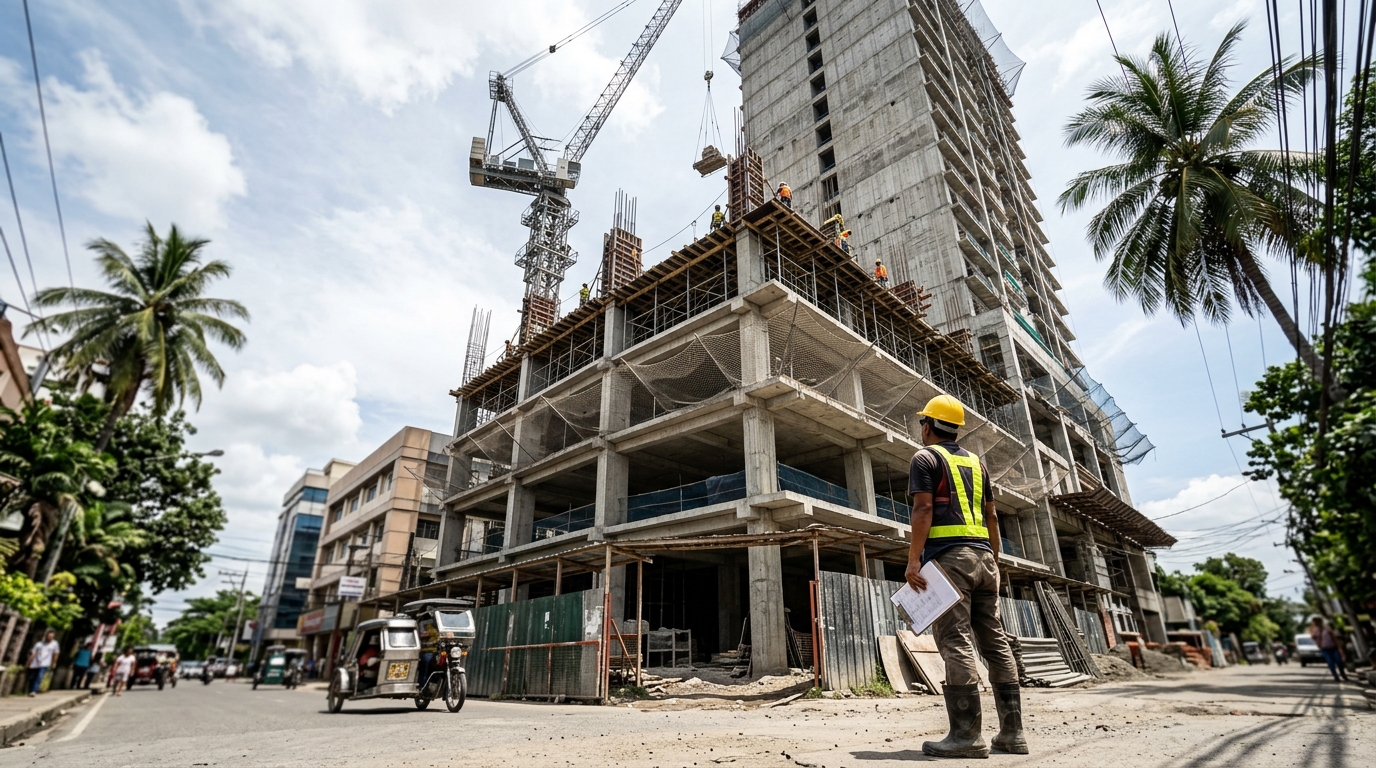
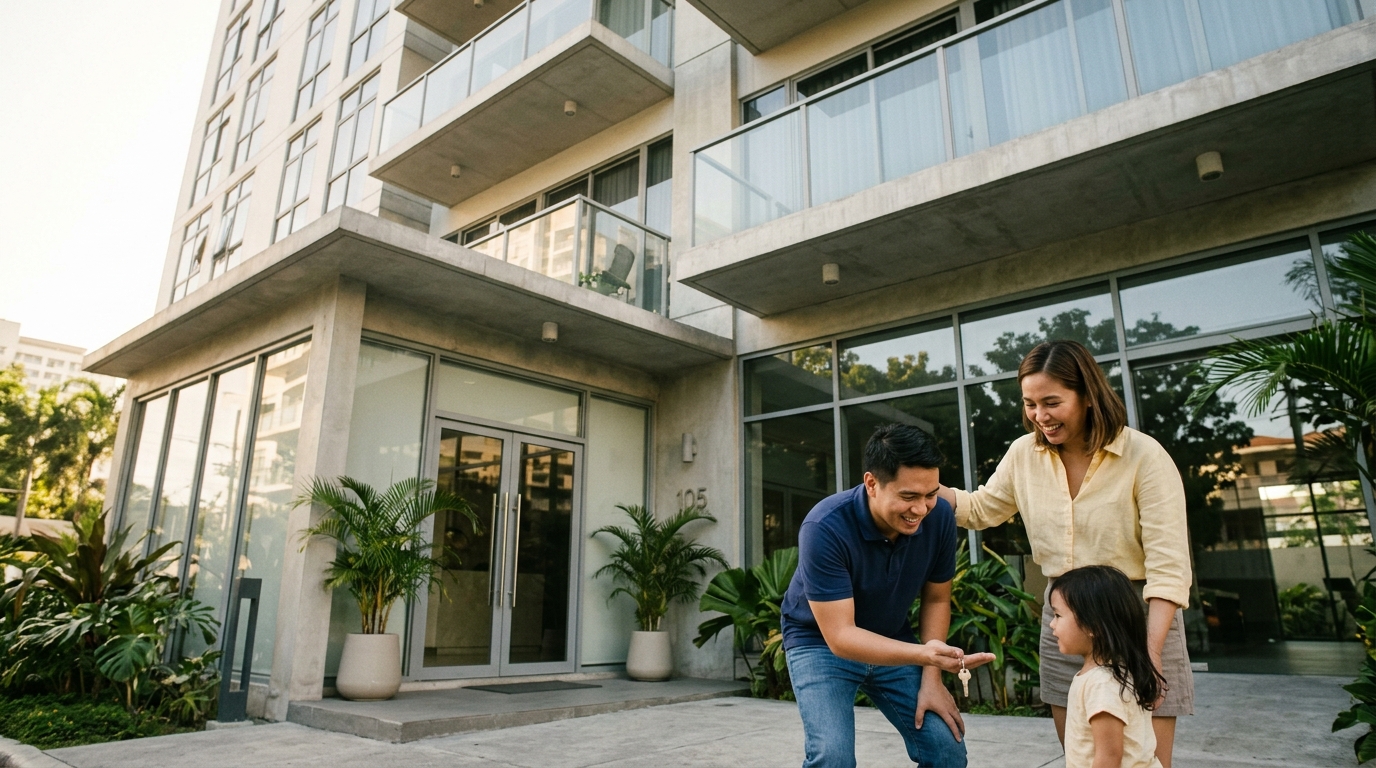
The ₱28-million release forms part of the Iloilo Province Integrated Water Security Plan, the province's first long-term framework for building a climate-resilient water sector by 2035. For developers scouting land in Miagao, San Joaquin, and Alimodian, each newly funded barangay water system converts a parcel from a site with unreliable access into one where residential construction becomes viable. The province's house-and-lot take-up rate already leads the Visayas-Mindanao region, and water infrastructure is the variable that will determine how far beyond Iloilo City that demand can spread.
Upland Barangays Enter the Development Map
The six beneficiary municipalities represent precisely the kind of upland and rural communities where water access has historically been the binding constraint on property appreciation. A barangay without reliable water cannot support subdivision development, cannot attract homebuyers, and cannot retain the families whose incomes might otherwise fund a home construction loan. The provincial government's decision to fund new systems rather than merely patch existing ones signals a deliberate strategy to bring these communities into Iloilo's broader growth corridor.
The projects are expected to reduce the daily burden on residents who currently travel to distant sources for potable water. That reduction in household labor translates, over time, into the kind of disposable time and income that fuels home improvements and incremental property investments. For Iloilo, the ₱28 million is not merely a budget line. It is the leading edge of a 2035 water-security framework that will determine which barangays become the province's next residential frontiers.