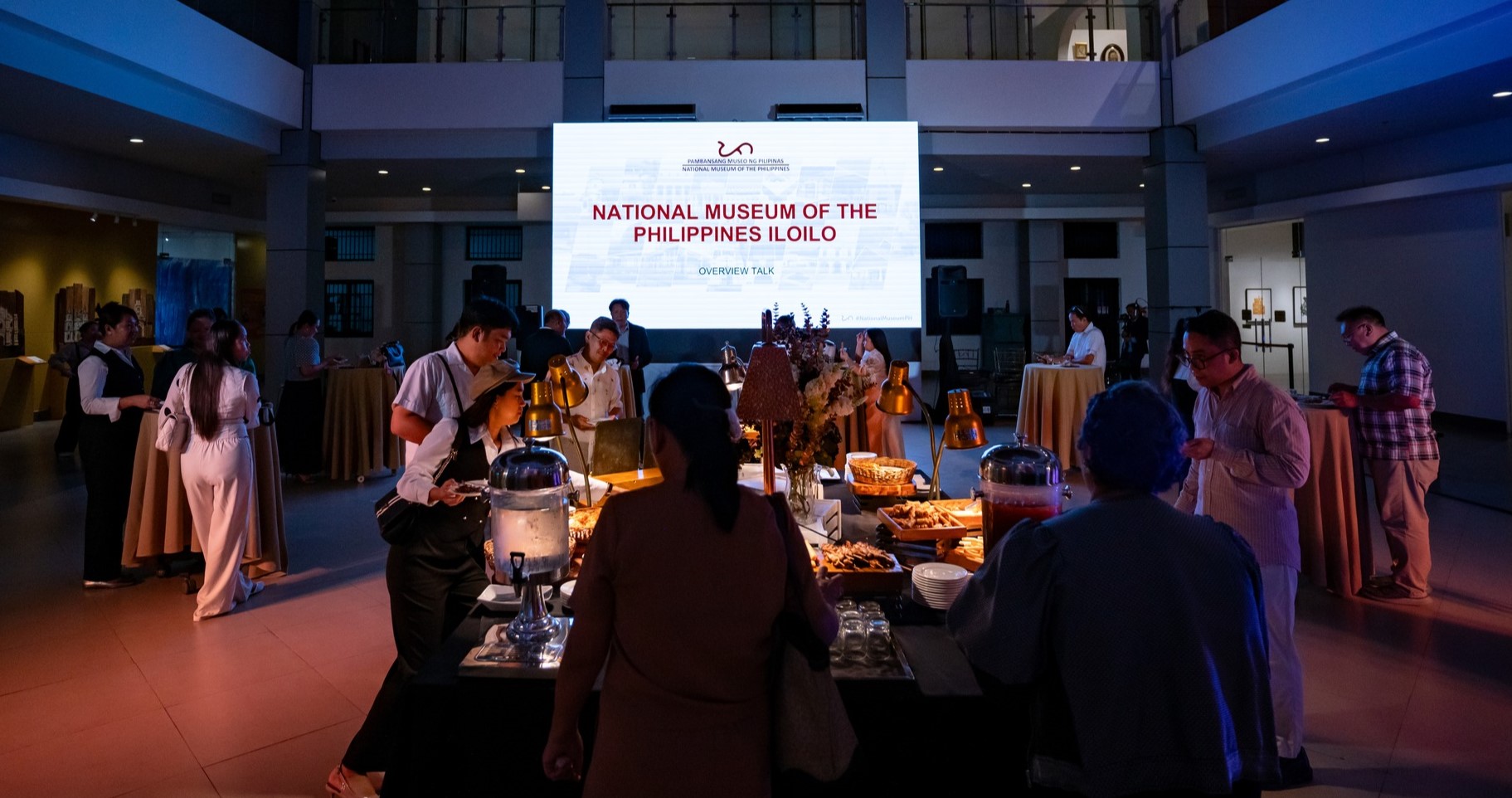
ILOILO CITY — On the evening of May 29, 2026, Iloilo's Commonwealth Era was not merely remembered but tasted, heard, and danced. The Living Heritage Museum Experience hosted a Commonwealth Dinner Night that transformed a historic venue into an immersive journey through the city's pre‑war past. Guests dined on heritage Ilonggo cuisine while cultural performances unfolded around them.
The dinner, presented by La Meza Ilonggo, showcased the rich culinary traditions of Iloilo, offering a menu that traced the flavors of the Commonwealth period. Eksena Training Services, Sidlangan Dance Company, and Hagunghong Musicians provided the evening's artistic backbone. Their performances brought the spirit of the era to life through dance, music, and theatrical storytelling, creating an experience that transcended a typical heritage tour.
A New Layer to Iloilo's Heritage Tourism
The Commonwealth Dinner Night is part of the Living Heritage Museum Experience, which launched earlier in May 2026 with a curated tour of ten historic sites. This dinner adds a sensory dimension to that offering. Visitors do not merely walk through ancestral homes and museums—they now sit at a table set with the flavors of the period and watch performances inspired by the era they are studying.
For cultural tourists, this is precisely the kind of authentic, site‑specific experience that distinguishes Iloilo from destinations offering generic entertainment. The event builds on the city's UNESCO Creative City of Gastronomy status, bridging its culinary identity with its built heritage. The collaboration between La Meza Ilonggo and local performing arts groups demonstrates how the city's creative sector is mobilizing to deepen the visitor experience.
A Heritage Strategy That Tastes as Good as It Looks
The Commonwealth Dinner Night reinforces Iloilo's broader heritage preservation strategy. The city government, in partnership with UP Visayas, is actively restoring historic buildings along Calle Real. The Cultural Heritage Tourism Zone, declared under Republic Act No. 10555, provides the legal framework for these efforts. Events like the dinner activate that framework, turning preserved buildings and documented recipes into living, bookable experiences.
For the guests who attended on May 29, the evening offered something rare: a meal that was simultaneously dinner and a history lesson. For Iloilo's tourism sector, it offered proof that the city's heritage assets can generate the kind of immersive, multi‑sensory programming that today's cultural travelers increasingly seek.