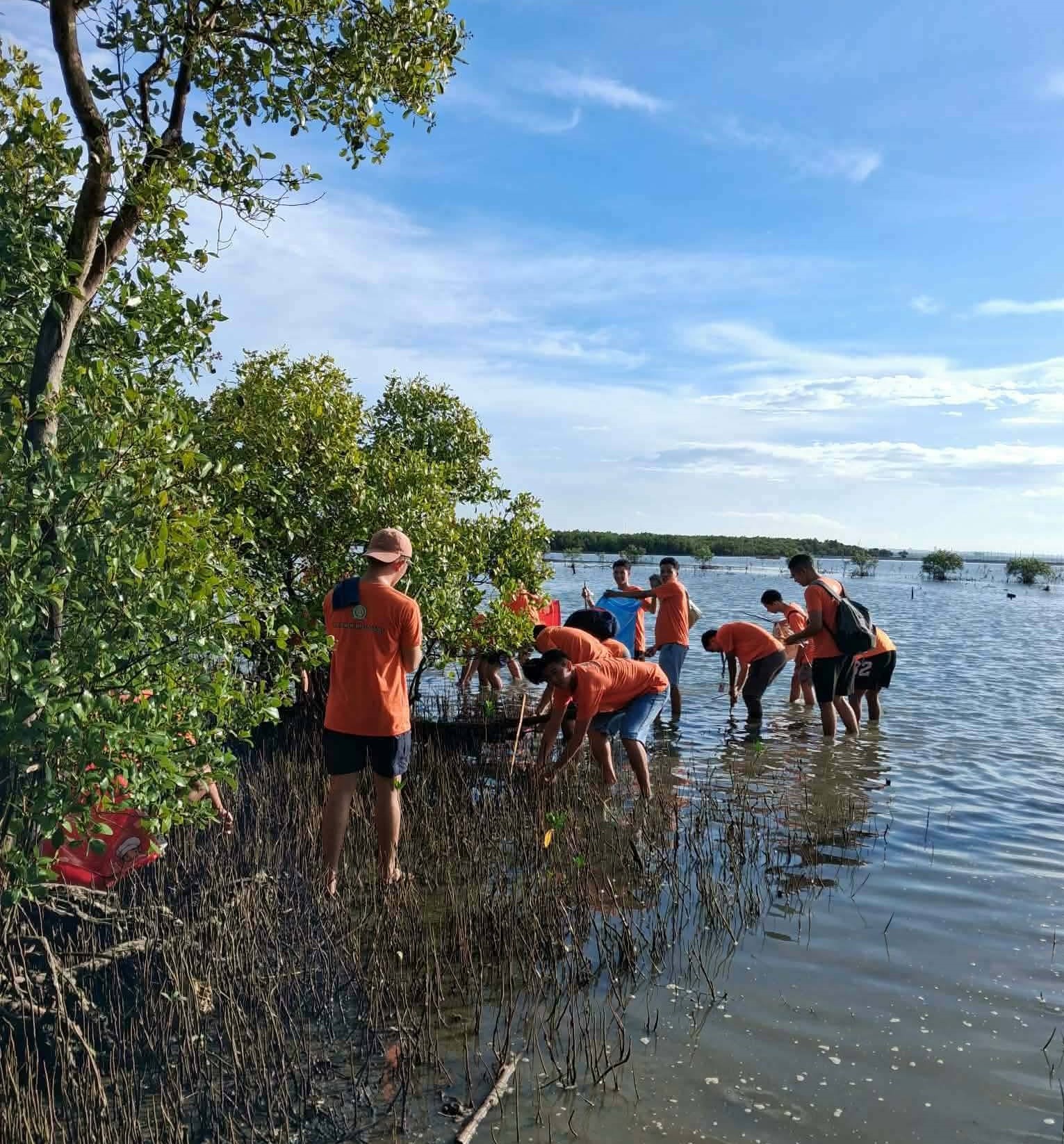
ILOILO CITY — One thousand bakhaw propagules have taken root along the city's coastline, adding another layer to Iloilo's growing eco‑tourism credentials. The planting was made possible through a partnership between the City Environment and Natural Resources Office and St. Therese MTC Colleges. The initiative forms part of the iGreens Program, the city's flagship environmental campaign to expand green cover and build climate resilience across its barangays.
The propagules, carefully planted by students and environmental officers, will grow into mangrove forests that protect the shoreline from erosion and storm surges. They also serve as nurseries for marine life, supporting the fish populations that sustain local communities. For tourists, these mangroves enhance the natural beauty of Iloilo's rivers and coastlines, adding lush greenery to the scenic Esplanade and nearby eco‑tourism sites.
A Growing Canopy for a UNESCO‑Recognized City
Iloilo's iGreens Program has been methodically expanding the city's tree cover for years. The 1,000 bakhaw propagules are the latest addition to a portfolio that includes the 10,000‑tree green corridor along Diversion Road and the 40,000 native seedlings delivered from Aklan just days ago. The program mobilizes schools, barangays, and private partners to plant and nurture trees across public spaces, riverbanks, and coastal areas.
For the eco‑conscious traveler, this commitment to greening is increasingly visible. Mangrove forests now line sections of the Iloilo River Esplanade, where tourists walk, jog, and photograph wildlife. The new propagules will eventually grow into a mature canopy that cools the surrounding area, absorbs carbon, and provides habitat for birds and aquatic species. The partnership with St. Therese MTC Colleges also demonstrates how the city engages its youth in environmental stewardship.
A Destination That Invests in Its Natural Assets
The mangrove planting reinforces Iloilo's reputation as an ASEAN Clean Tourist City and a UN‑recognized model for sustainable urban development. Visitors who choose Iloilo are choosing a destination that actively protects its environment. The iGreens Program, the coastal greenbelt ordinance, and the Esplanade's mangrove restoration all contribute to a cityscape where nature and urban life coexist.
For the tourism sector, these green investments translate into a richer visitor experience. Tourists can explore a city where rivers are lined with mangroves, plazas are shaded by native trees, and the air feels fresher. The 1,000 bakhaw propagules may be small now, but they represent a long‑term commitment. As they grow, so will Iloilo's standing as a premier eco‑tourism destination in the Philippines.