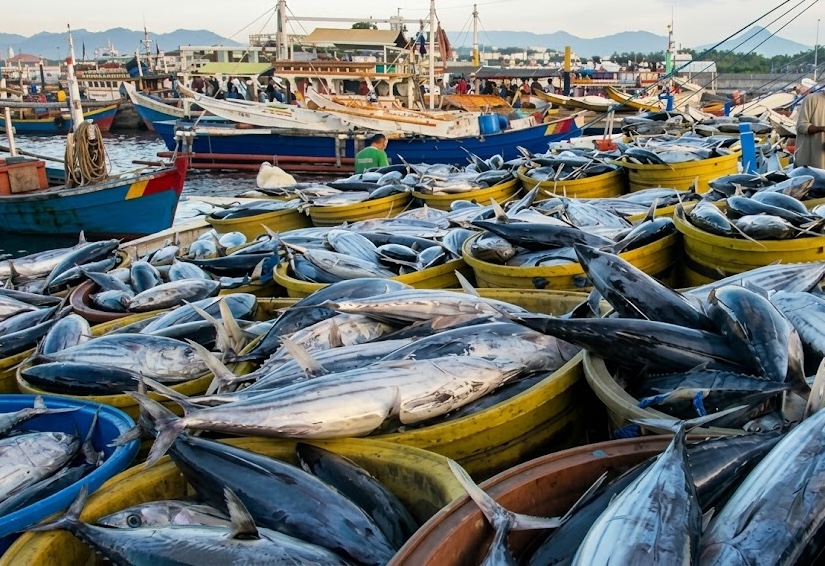
A Market That Moves Before Sunrise
GENERAL SANTOS CITY - Long before most tourists wake up, the fish port is already busy. Trucks arrive, seafood changes hands, and workers prepare shipments bound for markets around the Philippines and abroad. The atmosphere feels different from a typical tourist attraction because it is a working place first. That is precisely what makes it interesting. Visitors get a glimpse of how large-scale seafood trading operates and why General Santos earned its reputation as the country’s tuna capital. The experience is less about staged displays and more about observing a city’s economic heartbeat in real time.
Where Seafood Culture Becomes a Story
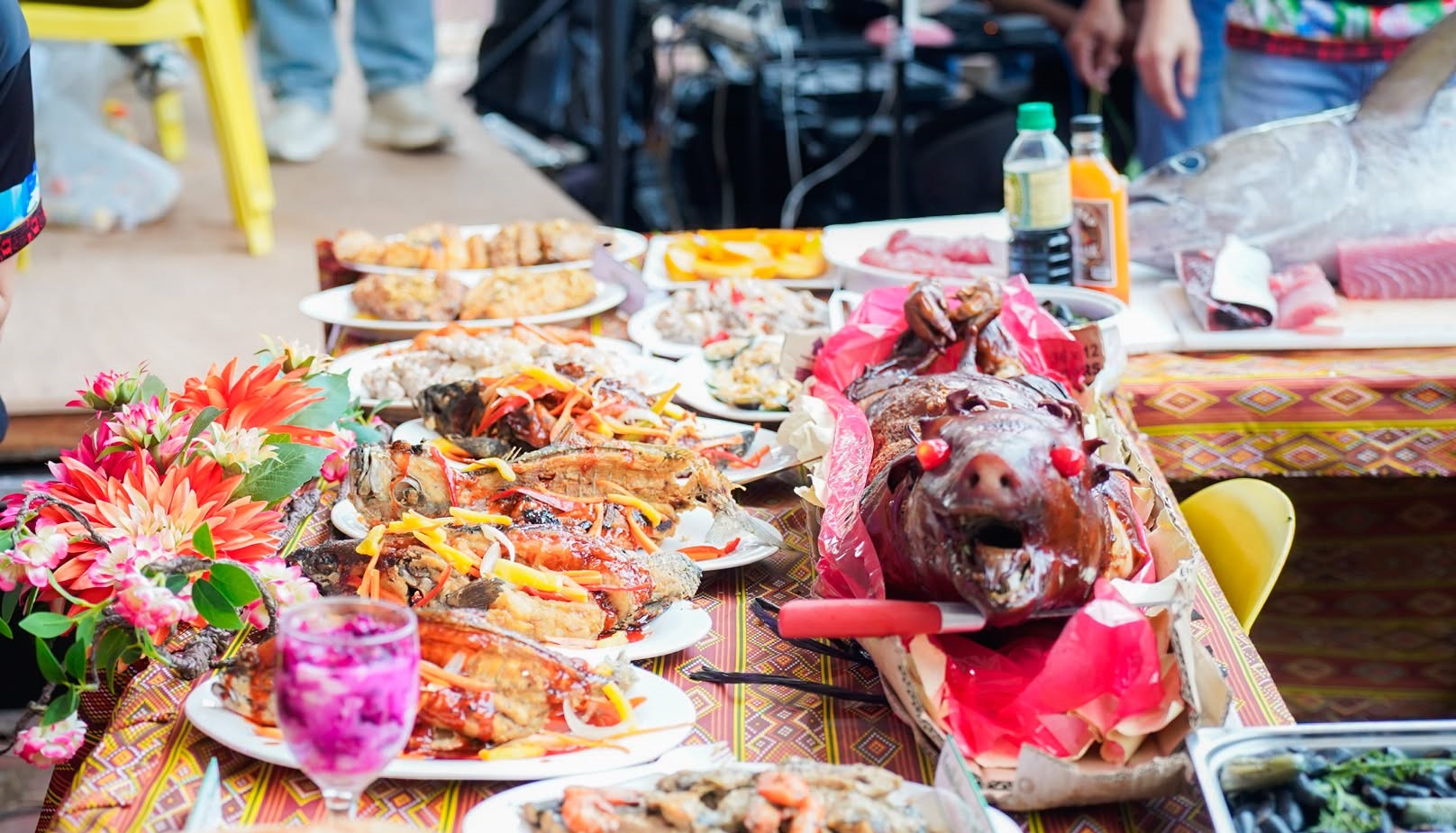
Exploring the port also helps explain why tuna appears on so many menus across General Santos. Restaurants, roadside eateries, and family kitchens all connect back to this industry in one way or another. Travelers who visit the port often find that their next meal carries more meaning because they have seen where much of the seafood trade begins. It turns an ordinary dining experience into a story about fishermen, traders, and the networks that bring fresh catch from the sea to the table.
A Different Kind of Tourist Stop
Not every memorable destination is a beach or a museum. Some places become memorable because they reveal how a city lives and works. The fish port offers that perspective. Visitors can pair the stop with nearby seafood restaurants and local markets, creating a half-day itinerary focused entirely on Gensan’s food identity. For travelers who enjoy authentic experiences, the port provides something increasingly rare: a chance to see a famous local industry up close rather than simply reading about it.