Why Online Problems Are Becoming Legal Problems
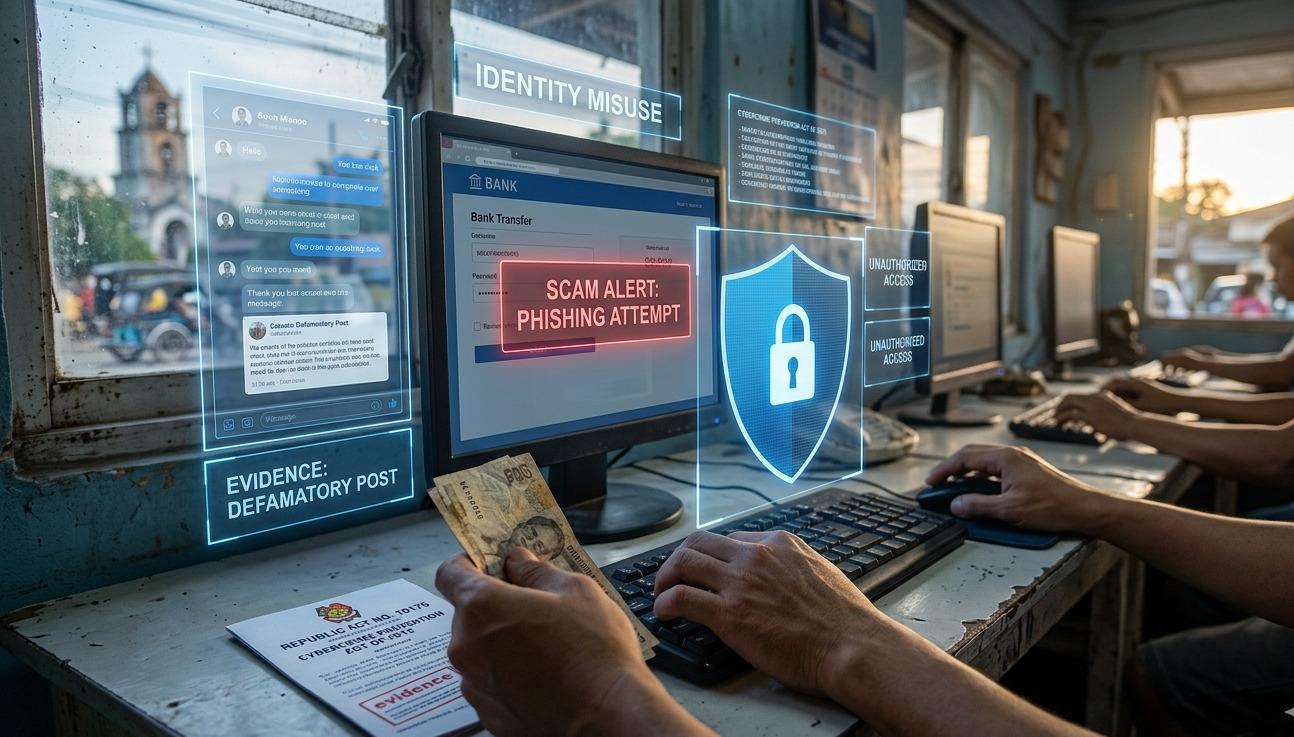
Many internet users still underestimate how quickly online activity can cross into criminal territory. Fake selling schemes, phishing links, identity misuse, and unauthorized account access have become increasingly common discussions nationwide. Legal authorities continue reminding the public that digital actions now fall under specific cybercrime regulations. In cities like General Santos, residents are becoming more cautious about online transactions and social media interactions. Digital convenience also created digital vulnerability.
Social Media Evidence Is Changing Investigations
Law enforcement agencies now frequently rely on screenshots, chat logs, and online activity records during investigations. What people post online can become part of legal proceedings more easily than many realize. Public awareness about digital evidence is slowly increasing, especially after multiple cyber-related cases gained national attention this May. The legal system itself is adapting to crimes that happen through devices rather than physical spaces. Investigations increasingly move through servers and platforms instead of traditional crime scenes.
Why Cyber Awareness Became Part of Everyday Life
The growing dependence on digital platforms means cyber awareness now affects ordinary routines—banking, shopping, messaging, and even job applications. Residents are becoming more careful about suspicious links and unofficial transactions because legal recovery after scams can be difficult. Discussions around cybercrime laws are no longer limited to lawyers and IT professionals. In General Santos, the issue feels closer to home because almost everyone now depends on digital systems daily. The law followed people into the online world because daily life moved there first.