Healthcare Extends Beyond Hospital Walls
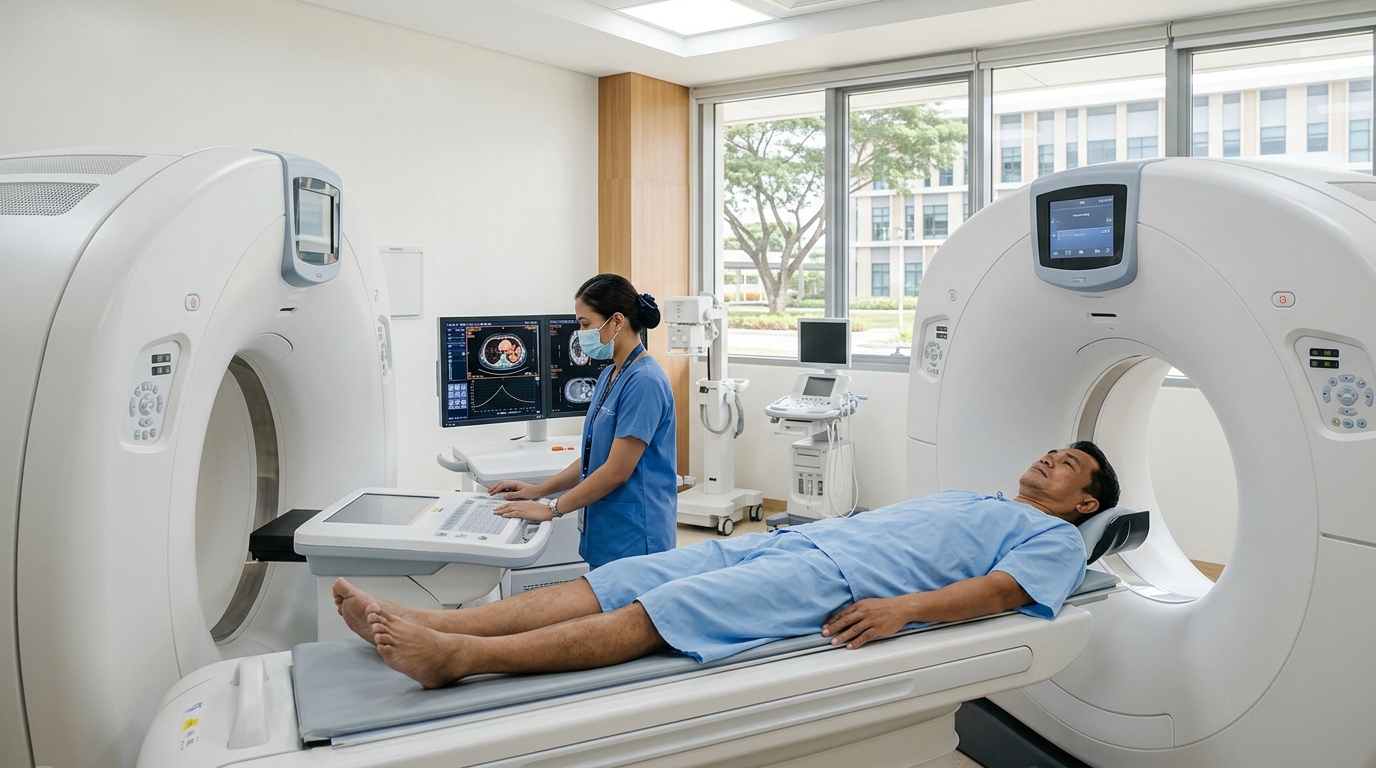
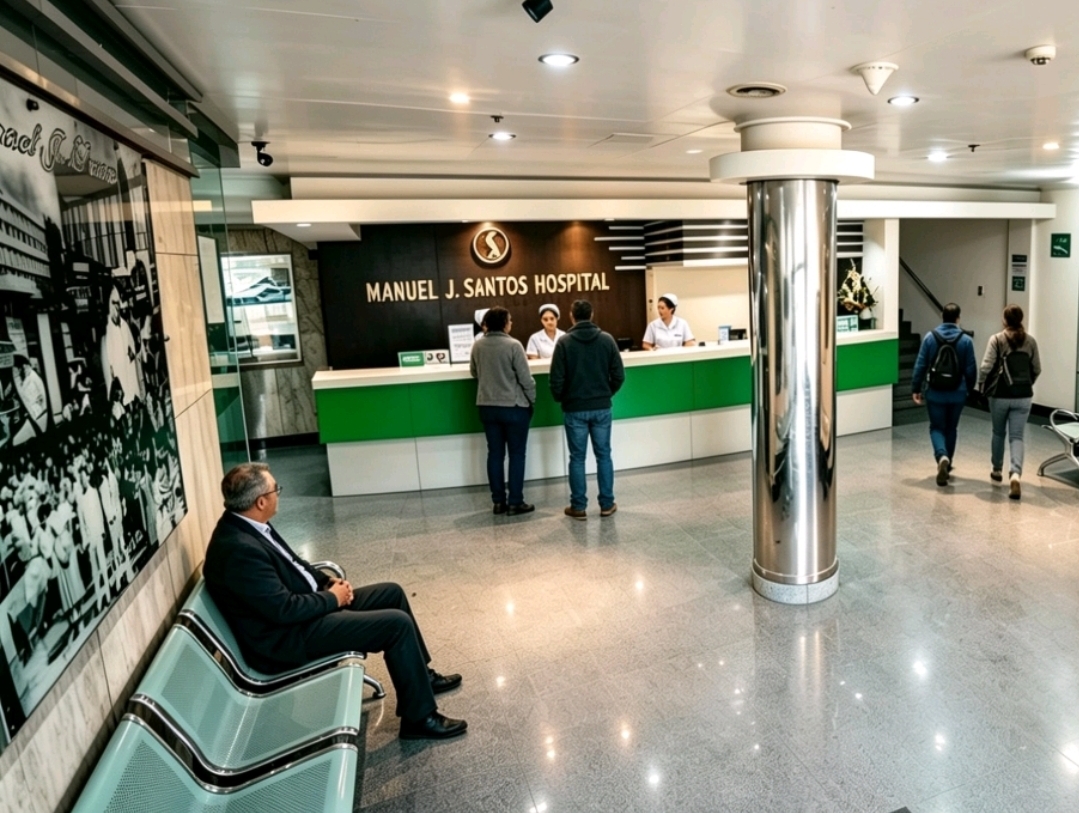
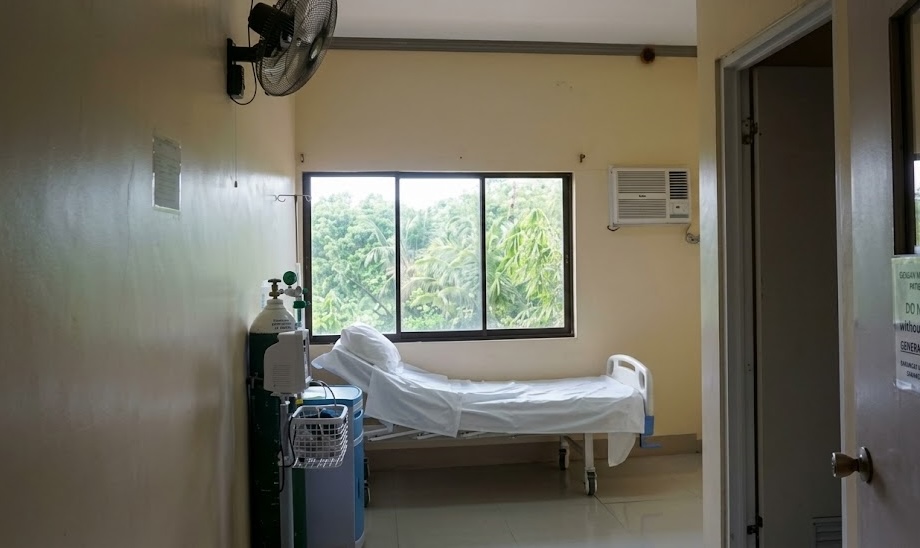
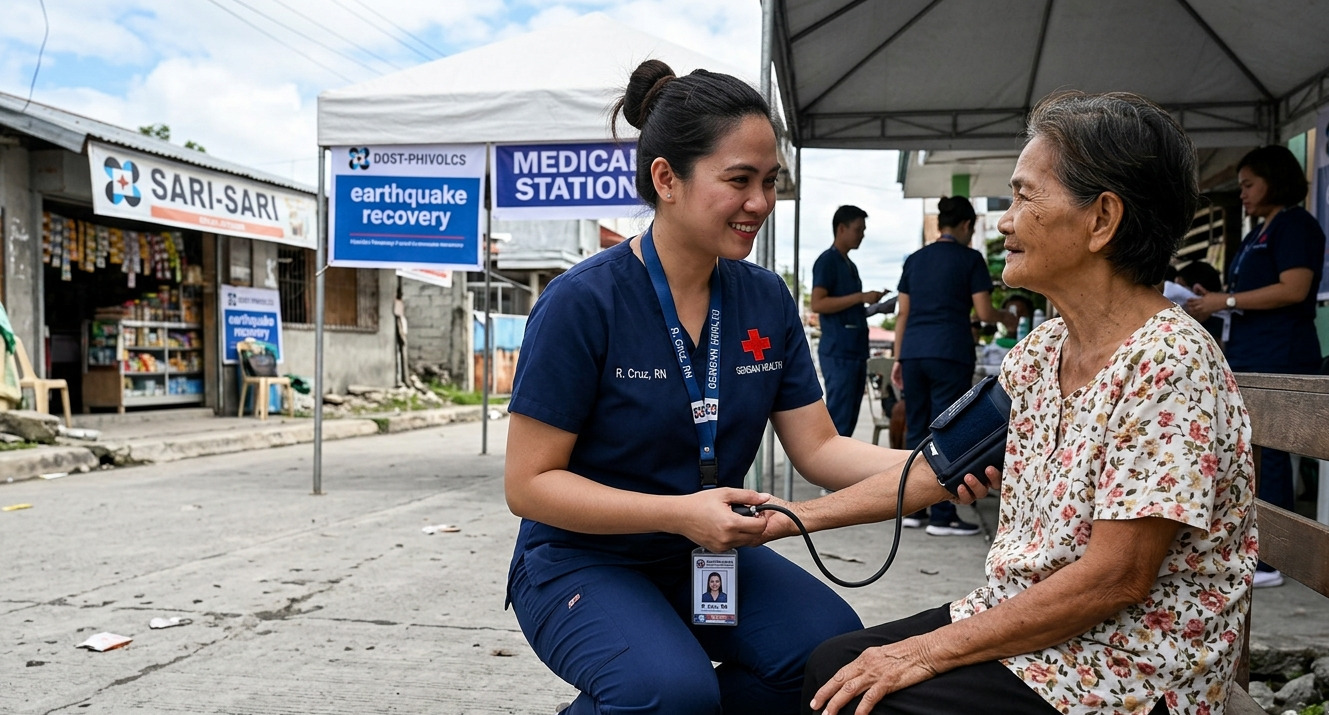
During emergencies, healthcare professionals often take on responsibilities beyond traditional clinical duties. Doctors, nurses, medical staff, and support teams contribute to response efforts by assisting patients, coordinating services, and helping address health concerns within affected communities. In General Santos City, medical workers played an important role as residents dealt with the aftermath of the earthquake. Their work included responding to immediate needs while ensuring regular healthcare services continued. This demonstrates how healthcare systems rely not only on facilities but also on the people who operate them. The commitment of medical workers becomes especially important when communities experience unexpected challenges.
Collaboration Strengthens Emergency Response
Effective disaster response requires cooperation between healthcare providers, government agencies, and community organizations. Medical teams often work alongside other responders to ensure residents receive appropriate assistance. In General Santos, coordination became essential in managing healthcare needs while recovery operations continued. Collaboration helps prevent gaps in services and allows resources to reach communities more efficiently. These partnerships demonstrate that healthcare preparedness involves more than hospitals alone. It requires planning, communication, and teamwork among different groups working toward the same goal of protecting public health.
Recognizing the Importance of Medical Preparedness
The earthquake experience emphasized why healthcare readiness remains important for growing cities like General Santos. Prepared systems, trained professionals, and strong coordination help communities respond more effectively during emergencies. Healthcare workers are central to these efforts because they provide both immediate assistance and long-term support. As recovery continues, the lessons from this period may influence future planning for medical facilities and emergency programs. Strengthening healthcare preparedness helps create a safer environment for residents and ensures that communities are better equipped when facing future challenges.