
Growth Comes With Questions
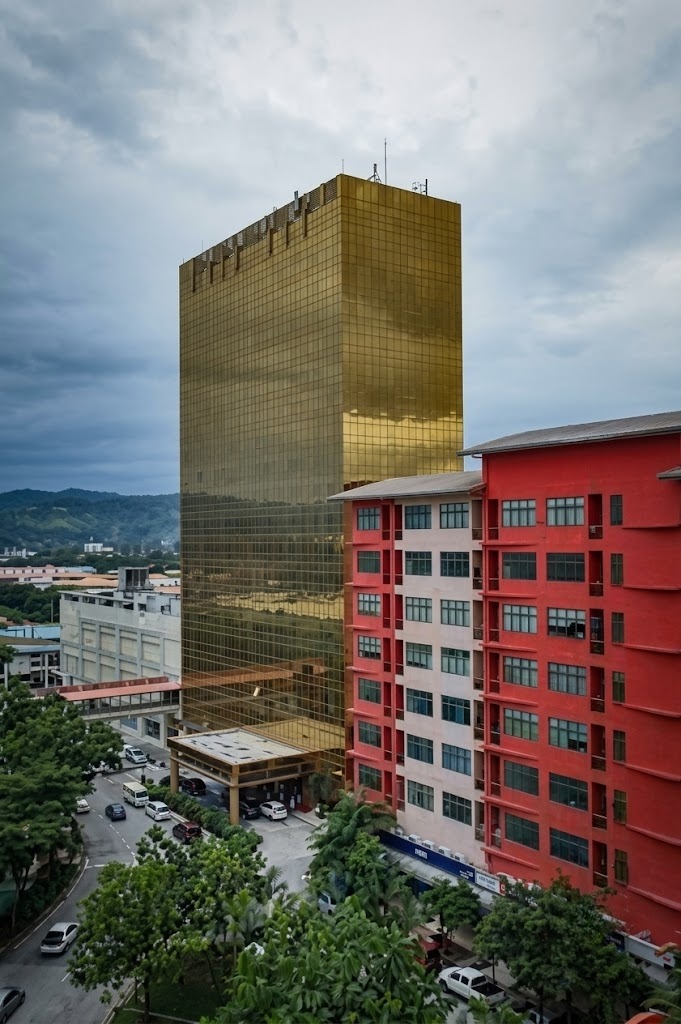
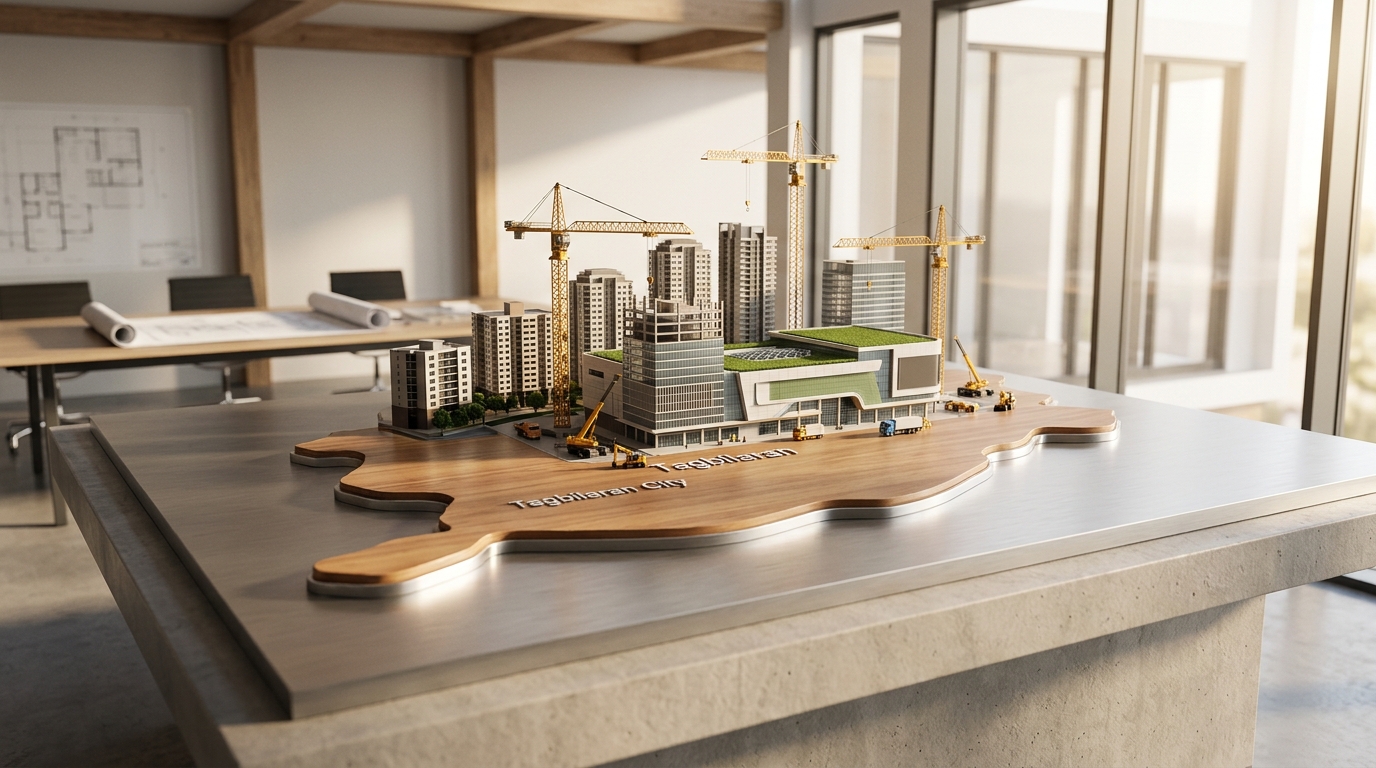
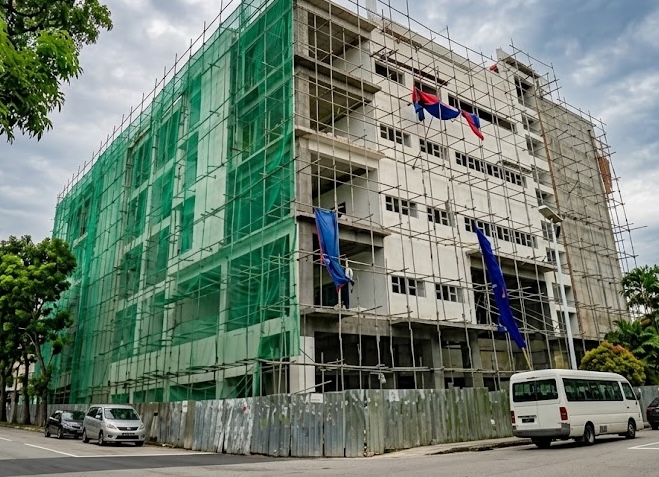
GENERAL SANTOS CITY - As cities grow and attract new investments, skylines change rapidly while residential and commercial districts become increasingly complex. With every new development project, questions naturally arise about how growth can be managed responsibly without sacrificing long-term community interests. Events that place infrastructure under scrutiny often encourage government agencies, developers, and residents to reexamine existing practices and standards. In General Santos City, discussions about construction quality and urban resilience have underscored the importance of balancing rapid expansion with safety, sustainability, and accountability. These conversations extend beyond individual buildings and contribute to broader planning priorities that will influence the city's future development.
The Role of Design and Compliance
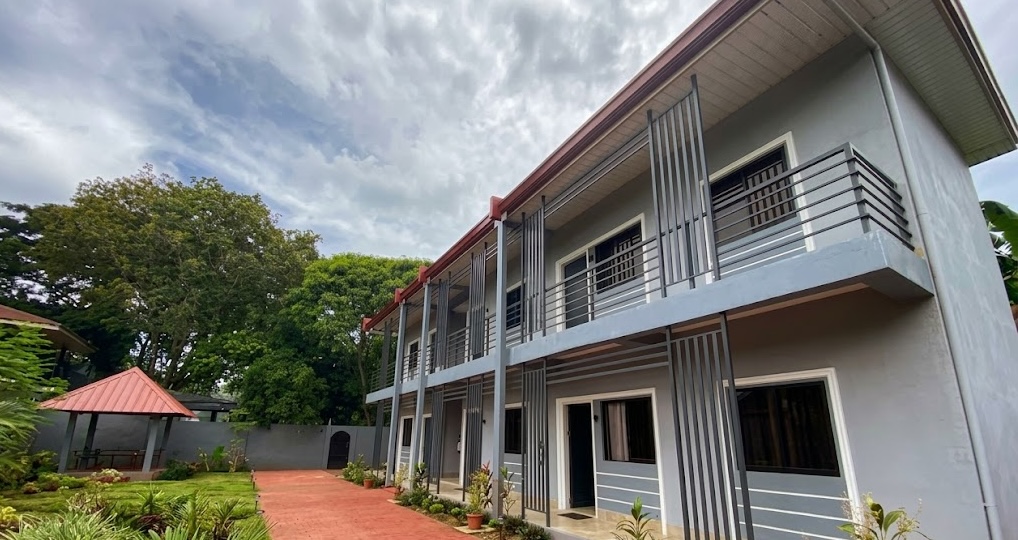
Urban development involves much more than simply constructing additional buildings to accommodate a growing population and expanding economy. The quality of architectural design, the accuracy of engineering assessments, and strict compliance with regulations all play important roles in determining how structures perform over time. When these elements work together effectively, they contribute to safer communities and more reliable public and private infrastructure. Public discussions increasingly emphasize the importance of understanding these technical and regulatory factors rather than viewing development solely as a measure of investment activity. This broader perspective encourages a more informed approach to evaluating growth and long-term urban success.
Looking Ahead Without Looking Away
Successful cities evolve through continuous evaluation, adaptation, and a willingness to learn from both achievements and challenges. Reviewing policies, updating standards, and reassessing development practices should not automatically be viewed as signs of failure or setbacks. Instead, these actions can demonstrate a commitment to improvement and a recognition that urban environments must adapt to changing conditions and emerging needs. For property owners, investors, business operators, and residents, thoughtful planning remains one of the most valuable foundations of sustainable growth. Looking ahead while remaining attentive to present realities helps ensure that future development is both resilient and beneficial for the wider community.