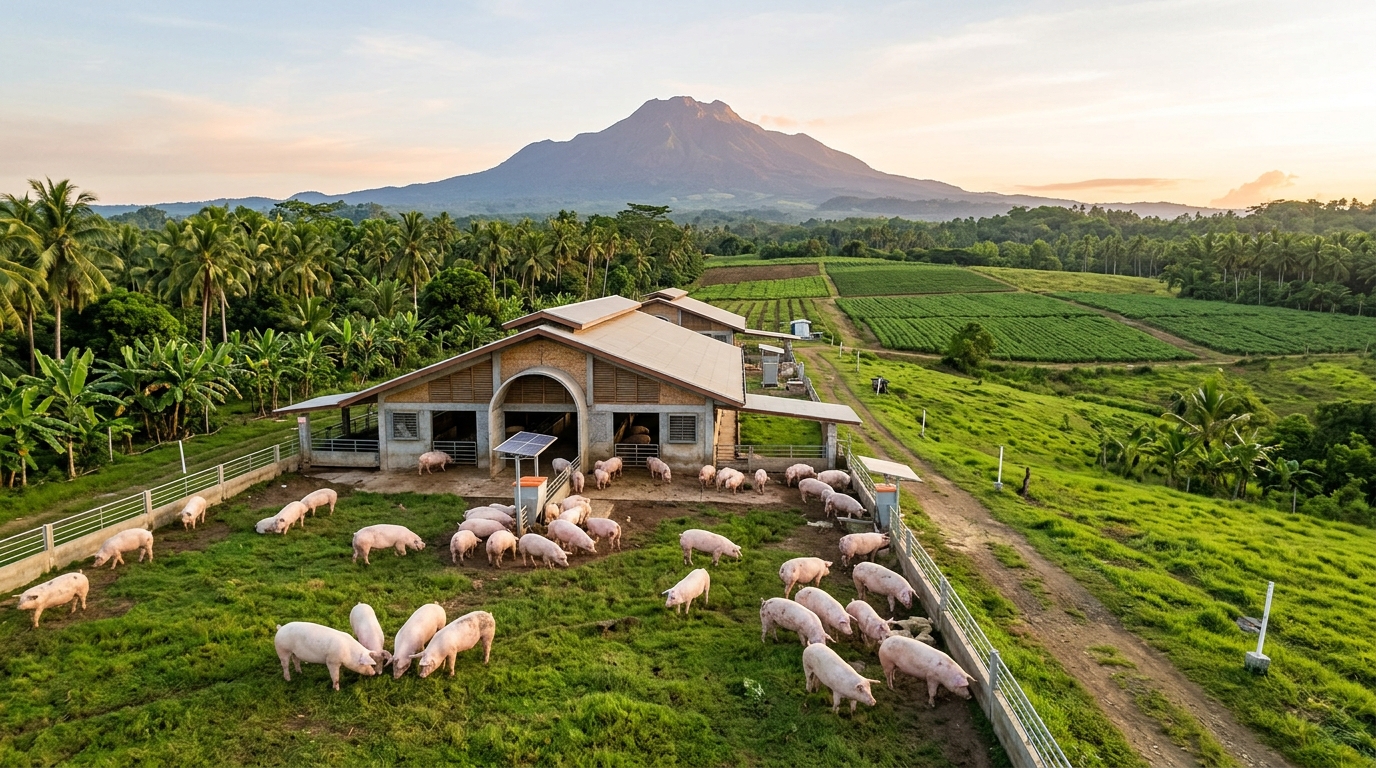
Davao — The agricultural landscape of the Davao region is undergoing a significant transformation with the approval of a ₱148.1 million Integrated Livestock Enterprise (ILE) in Magsaysay, Davao del Sur. This project, greenlit by the Regional Project Advisory Board on June 22 and highlighted in recent updates, is set to introduce Mindanao’s first FDA-approved and Good Manufacturing Practice-compliant sterilized goat’s milk processing plant. Beyond just milk, the facility will include a state-of-the-art “Double A” abattoir, ensuring that meat products meet the highest safety standards for the broader market. This investment is a major win for over 1,300 local stakeholders, providing them with the infrastructure needed to compete effectively in the regional and national supply chains.
Boosting Local Production Standards
The core of this initiative lies in moving local livestock practices from traditional, small-scale operations to a modern, standardized value chain. By providing specialized equipment, chilling facilities, and certified processing plants, the project drastically reduces post-harvest losses while improving the quality of products reaching the consumer. Farmers who were previously limited by a lack of market access now have a reliable path to sell their produce at fair prices. This transition to modern manufacturing practices is expected to set a new benchmark for other municipalities in the region looking to modernize their own agricultural output.
Driving Economic Growth and Employment
Beyond the technical improvements, the project is a powerful engine for local economic stability in Davao del Sur. The creation of specialized jobs—from dairy processing to professional meat handling—offers new career paths for residents who previously might have had to seek work outside the province. As the facility becomes fully operational, the ripple effect on the local economy will be substantial, creating a more sustainable income stream for goat raisers, cattle farmers, and meat dealers. It is a strategic move that effectively combines social welfare with long-term industrial growth for the benefit of the entire community.
Sustainability Through Collaboration
This endeavor is a prime example of the Philippine Rural Development Project’s commitment to building sustainable, food-safe systems across the island. The partnership between the local government, agricultural cooperatives, and the Department of Agriculture ensures that the facility is not just built, but actively managed by those who understand the local context. By focusing on both dairy and meat production, the enterprise diversifies the income potential for farmers, making them more resilient to market fluctuations. It is a forward-thinking model that prioritizes both the health of the consumers and the prosperity of the rural producers.