DAVAO CITY — The global observance of World Rainforest Day on June 22, 2026, resonated deeply across the Davao Region, where local environmental groups and government offices embraced this year’s theme, “The Forest Within You.” The occasion highlighted Davao’s rich natural heritage as both a conservation priority and a growing eco‑tourism asset.
A Global Theme with a Local Heart
World Rainforest Day, launched in 2017 by the Rainforest Partnership, aims to halt deforestation and spark creative climate solutions. The 2026 theme emphasizes the deep connection between humans and forests, asserting that protecting rainforests is protecting our own life‑support systems. These ecosystems house over half of the world’s plant and animal species.
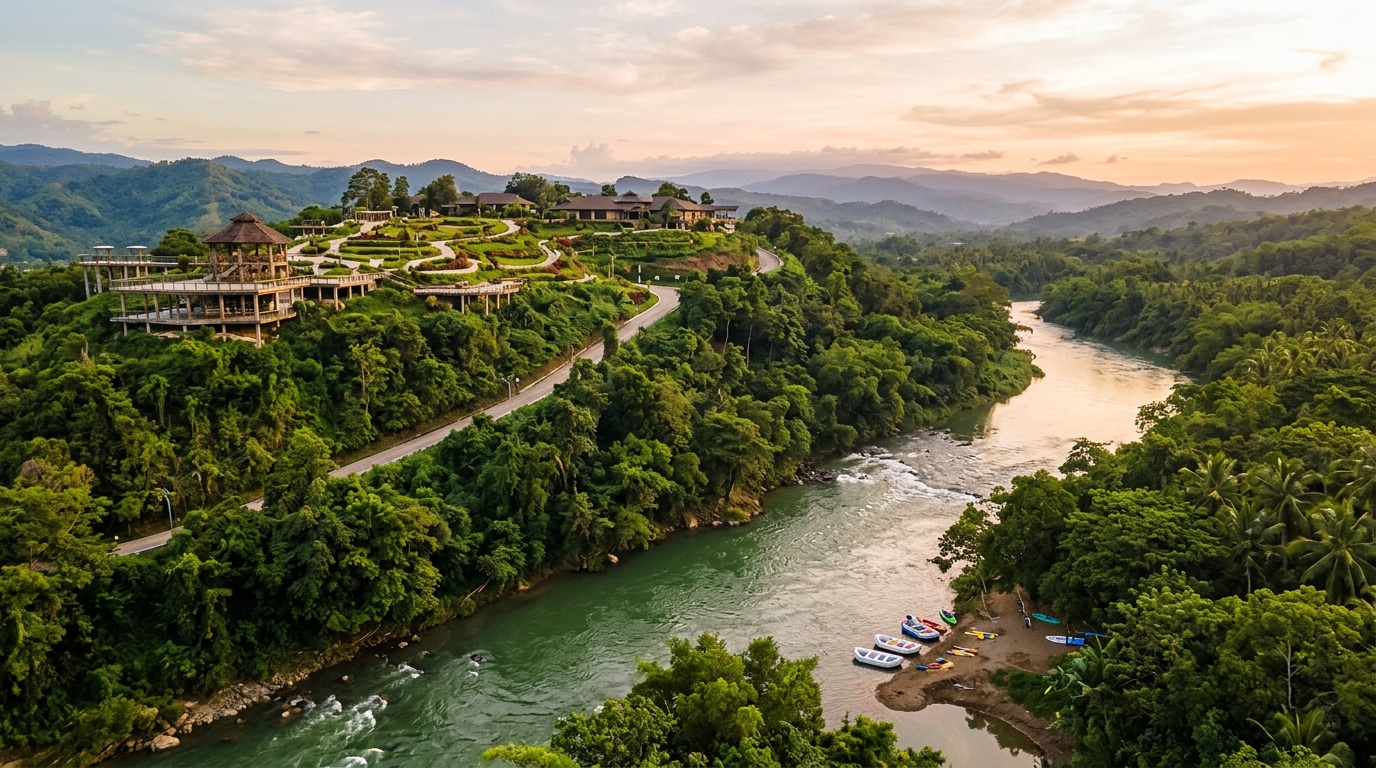
Davao’s own rainforests are living proof of that message. The region harbors critical tracts of lowland evergreen Dipterocarp forests, an ecosystem that sustains countless species and provides essential watershed services. This natural wealth positions Davao as a meaningful destination for travelers seeking immersive, nature‑based experiences.
The Philippine Eagle’s Sanctuary
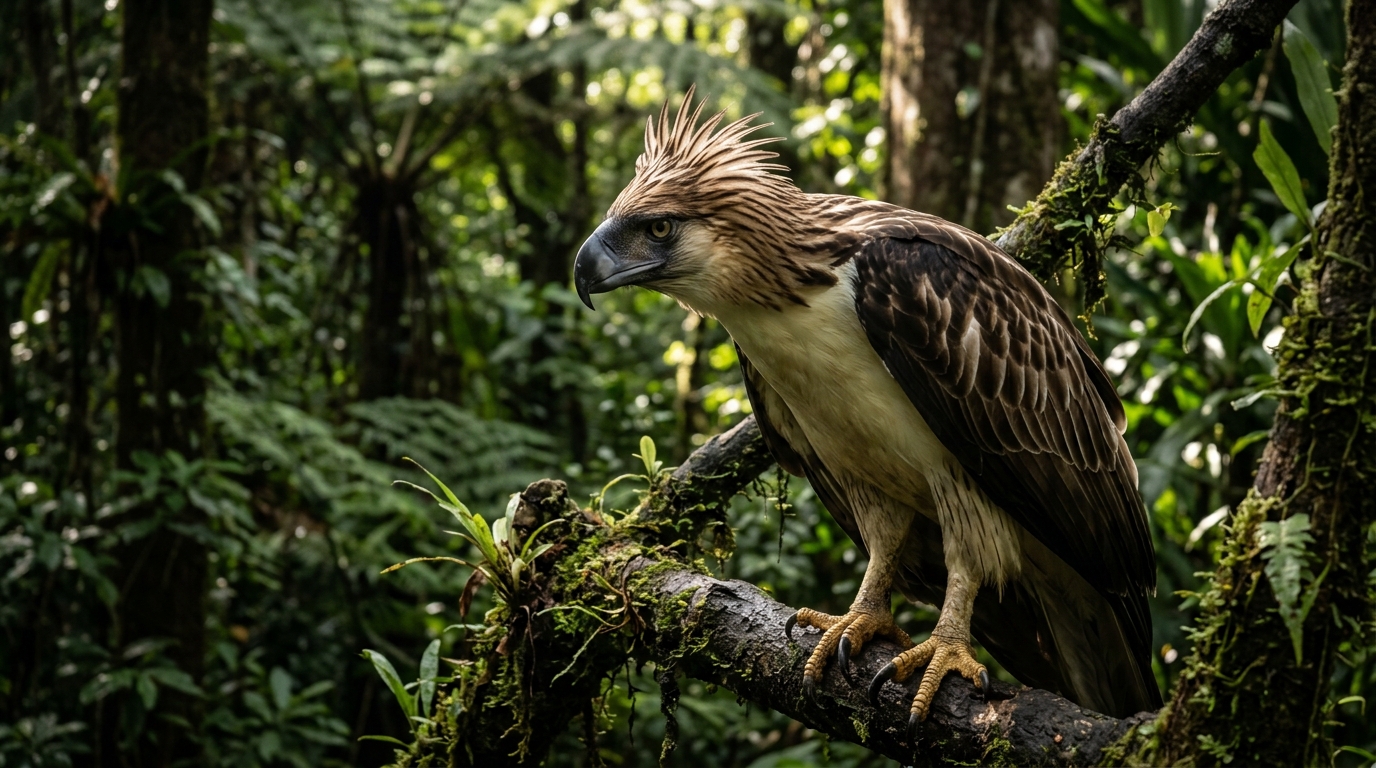
Mindanao’s remaining primary rainforests are the preferred nesting grounds of the critically endangered Philippine Eagle. Protecting these towering canopies is synonymous with saving the national bird, a powerful draw for wildlife enthusiasts and conservation‑minded tourists. The eagle’s presence elevates Davao’s status as a premier eco‑tourism hub.
Visitors who venture into the region’s forest reserves can witness not only the eagle’s habitat but also a stunning diversity of endemic flora and fauna. Eco‑tour operators are increasingly promoting guided treks and bird‑watching tours that directly support forest protection and local livelihoods. This sustainable model demonstrates that conservation and economic growth can thrive together.
Recent Local Actions for a Greener Davao
The celebration of World Rainforest Day coincides with tangible environmental action across Davao City. The Department of Environment and Natural Resources recently ordered the closure of an old sanitary landfill, a move that safeguards surrounding soil and waterways from further degradation. This decision reflects stricter ecological governance.
Urban greening initiatives have also gained momentum, with the city government heavily promoting urban gardening to lower food costs and maximize green spaces within metropolitan borders. These programs prove that the spirit of the rainforest can extend into the urban landscape. For tourists, a greener city means more parks, cleaner air, and a more pleasant overall experience.
Threats That Demand Vigilance
Despite these gains, Mindanao’s rainforests face persistent threats from illegal logging, slash‑and‑burn farming, and encroaching monoculture plantations. These activities fragment critical habitats and reduce the forest’s ability to regulate climate and water supply. Global data shows millions of hectares of primary tropical rainforest are lost each year.
Local advocacy groups use World Rainforest Day to bring attention to these pressures. They urge stronger enforcement of protected area laws and greater community involvement in forest monitoring. For travelers, understanding these challenges adds depth to their visit, transforming a simple sightseeing trip into a conscious act of support.
From Awareness to Action
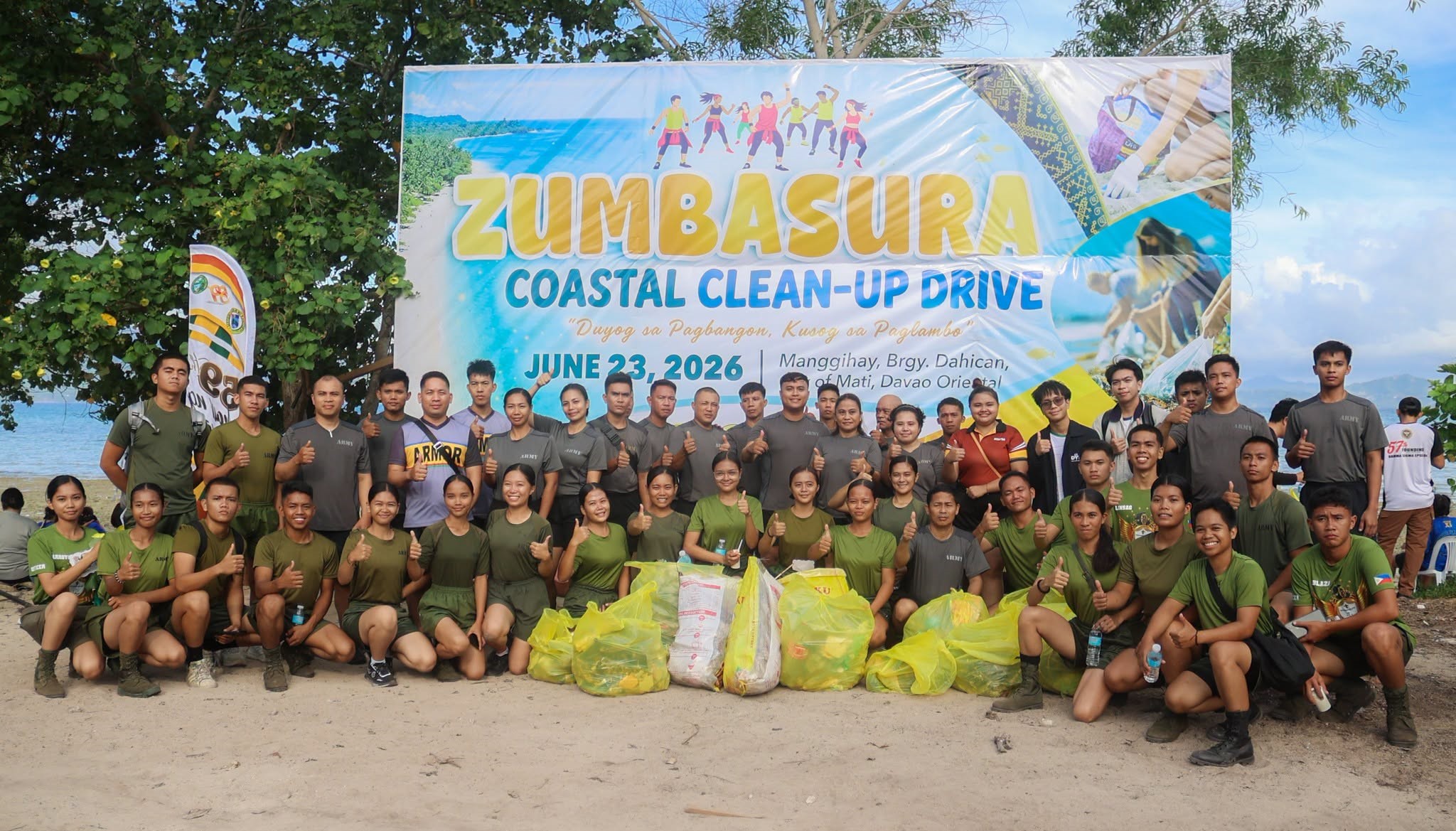
The 2026 observance in Davao moved beyond symbolic gestures. Environmental advocates called for a “Year of Action,” bridging the protection of ancestral high‑altitude forests with everyday green practices in the city. Educational campaigns in barangays stressed that every resident has a role in safeguarding the forest.
Eco‑tourism plays a central role in this strategy. By choosing responsible tour packages and supporting accredited guides, visitors contribute directly to forest preservation funds. The message is clear: Davao’s rainforests are not just a backdrop for photographs but a living treasure that requires collective stewardship from both locals and visitors alike.