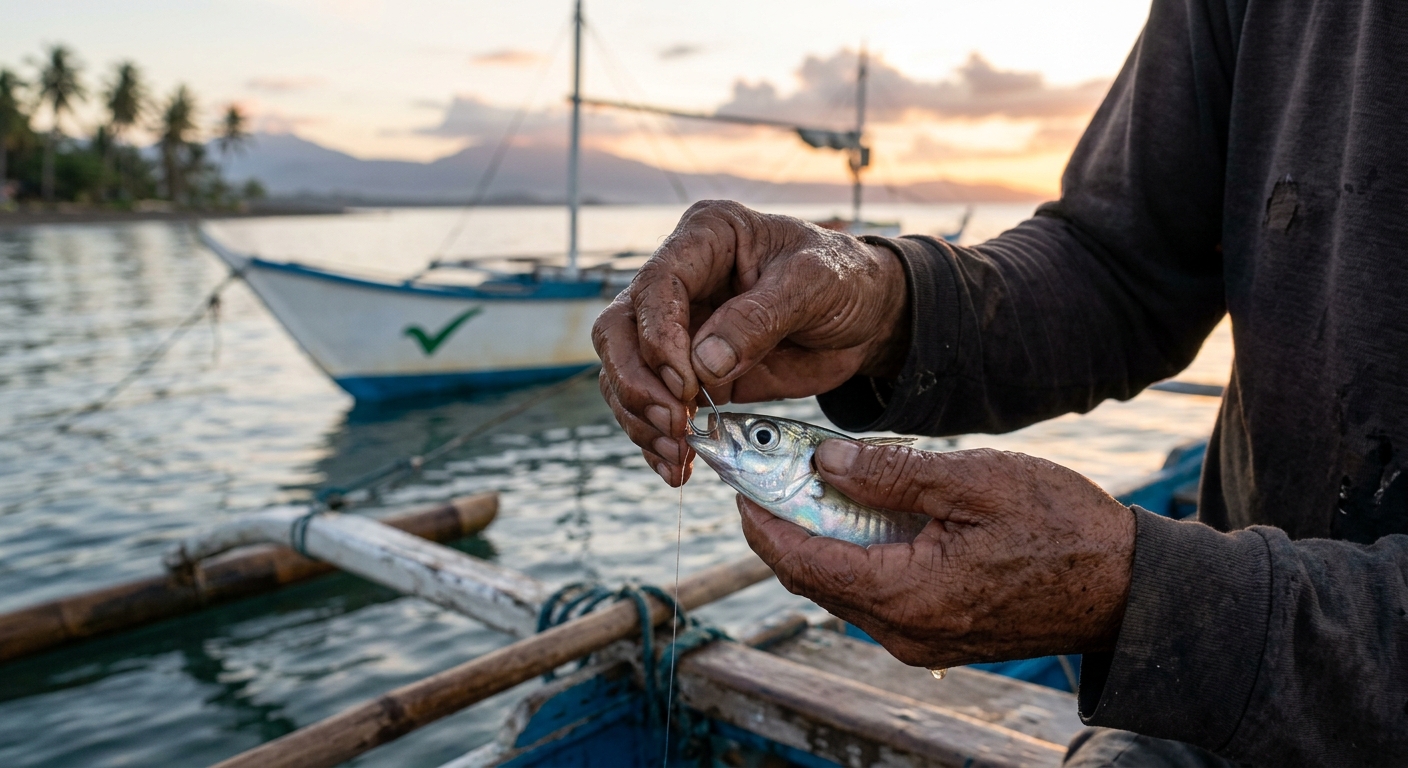
DAVAO CITY — A three‑month fishing ban now in effect across the Davao Gulf is not merely a regulation. It is a direct investment in the future of Davao's kitchens. Starting June 1 and lasting until August 31, 2026, the Bureau of Fisheries and Aquatic Resources has closed the gulf to protect spawning pelagic fish. The species affected—matangbaka, alumahan, and galunggong—are staples of the Davaoeño table.
The closed season ensures that these fish can reproduce undisturbed during their most vulnerable months. For the city's restaurants, carinderias, and wet markets, the ban safeguards the supply chain that delivers fresh seafood daily. A temporary pause in fishing activity means more abundant stocks in the months and years ahead, securing the foundation of Davao's celebrated seafood cuisine.
A Sustainable Supply Chain for Davao's Culinary Scene
Registered fisherfolk may still operate using authorized gear such as hook and line, gillnets, and fish pots. The ban specifically targets ring nets and bag nets, which capture large volumes of fish indiscriminately. This selective approach balances conservation with the livelihoods of small‑scale fishers who supply Davao's markets and eateries.
For the food tourist visiting Davao, the fishing ban is largely invisible—but its effects are palpable on the plate. The grilled tuna belly, kinilaw, and sinigang na isda that define Davao's gastronomic identity depend on healthy fish populations. The ban ensures that those dishes remain abundant, affordable, and sustainably sourced. It also aligns with Davao's growing reputation as a destination where seafood is not only delicious but responsibly managed.
A Model for Culinary Conservation
Violators face fines of up to ₱500,000, imprisonment, confiscation of equipment, and license revocation. The penalties underscore how seriously the government treats the sustainability of the gulf's marine resources. The three‑month closure has become an annual rhythm that Davao's fishing communities have learned to respect.
As Davao continues to attract visitors for its food festivals, coffee and chocolate crawls, and Durian treats, the fishing ban reinforces the city's culinary brand. Tourists who choose Davao are choosing a destination that actively protects the ecosystems behind its cuisine. The months of June, July, and August may be quiet on the gulf, but the kitchens of Davao will be richer for it.