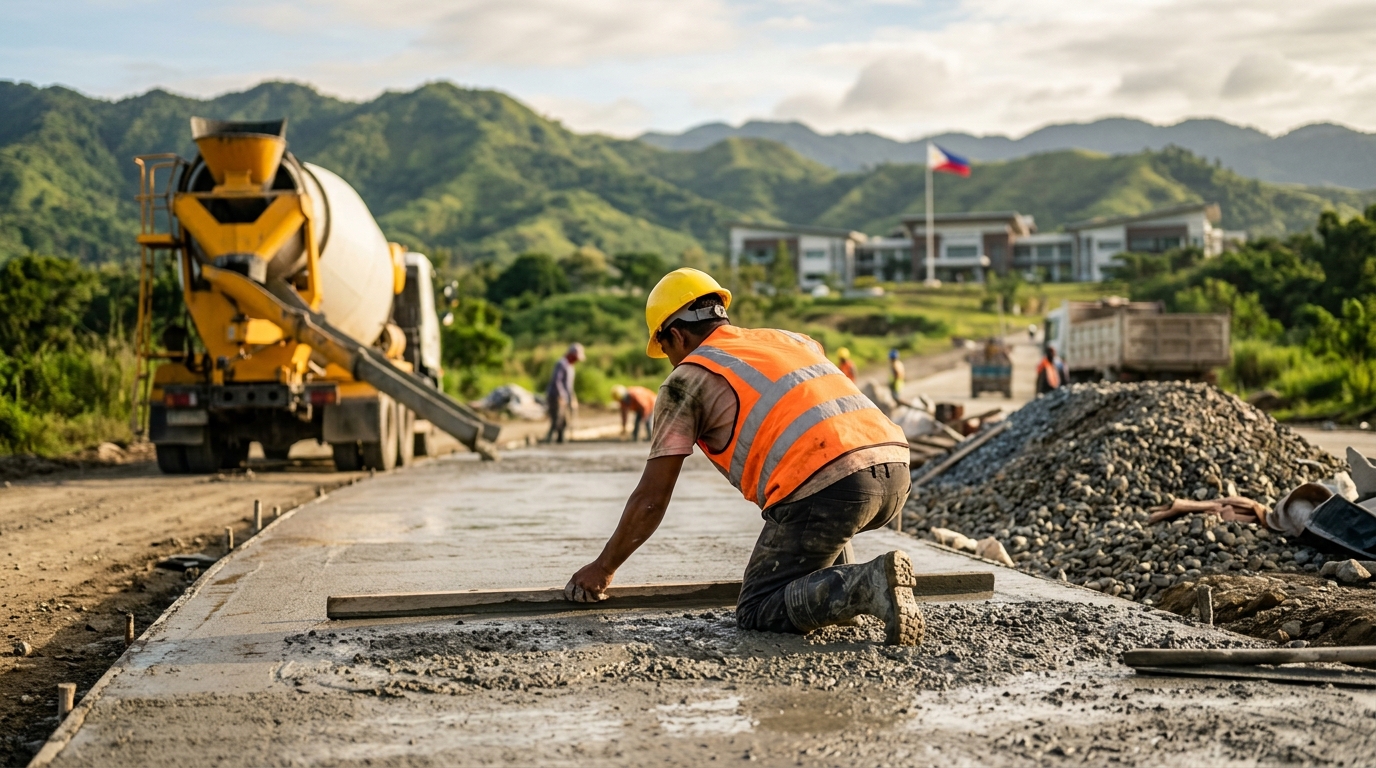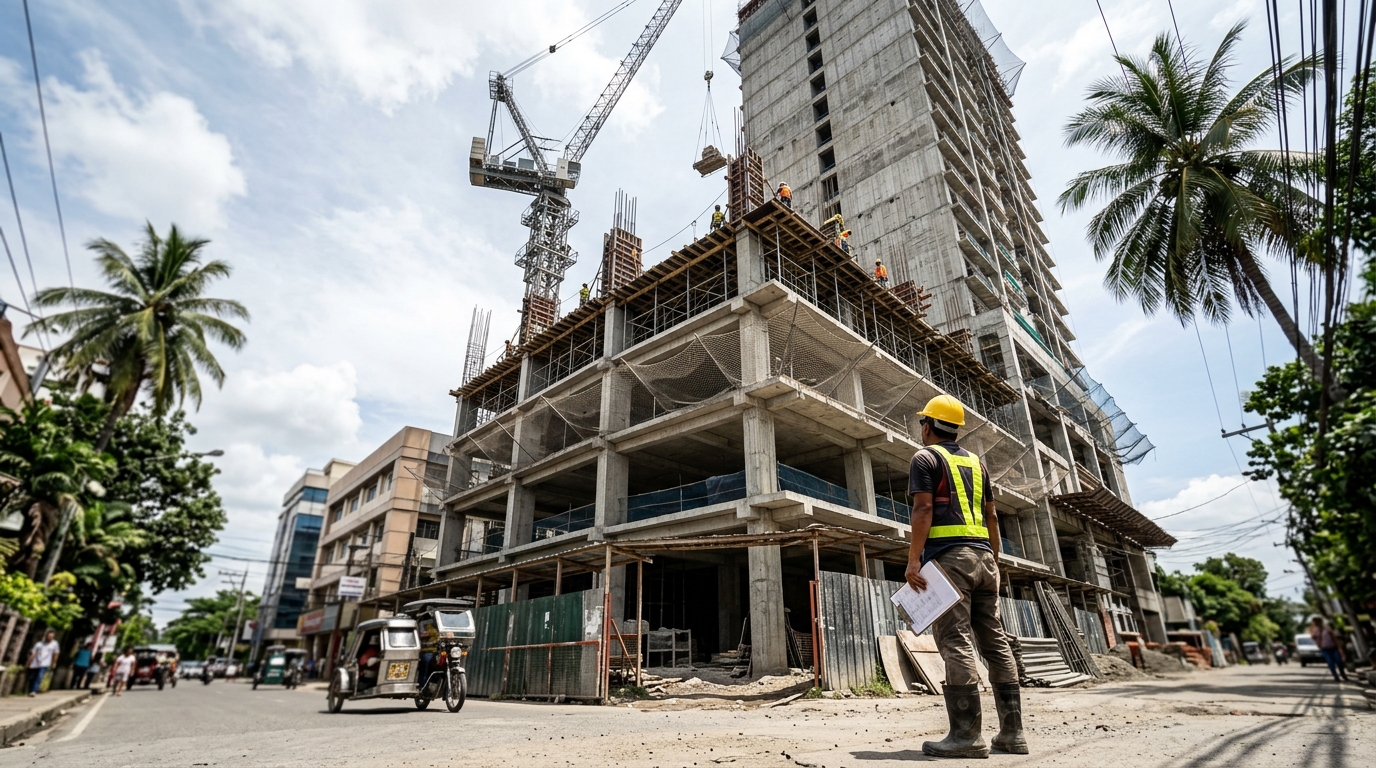
DAVAO CITY — The Davao Region is no longer merely catching up to Metro Manila—it is outpacing it. In a 2026 property market briefing organized by Aeon Luxe, Colliers Philippines director Joey Roi Bondoc declared Davao one of the country's strongest real estate markets outside the capital. The region's economy has expanded into Mindanao's largest at ₱1.14 trillion, consistently exceeding the 4.4 percent national growth rate. This economic momentum, combined with an aggressive infrastructure push, is reshaping Davao's urban core.
An Economy That Outpaces the Nation
The Philippine Statistics Authority confirmed Davao Region grew by 5.1 percent in 2025, marking its third consecutive year as a trillion-peso economy. Services dominated at 62.1 percent of output, fueled by wholesale trade, financial activities, and a thriving outsourcing sector. Davao City alone grew by 7.9 percent, far exceeding the regional average.
Bondoc underscored that this growth directly fuels real estate demand. He noted the region benefits from the Build Better More program, including the Mindanao Railway, Davao Sasa Port, and the Samal Island-Davao City Connector Bridge. Each project raises land values and expands the areas accessible for residential development.
A Residential Market With Near-Total Absorption
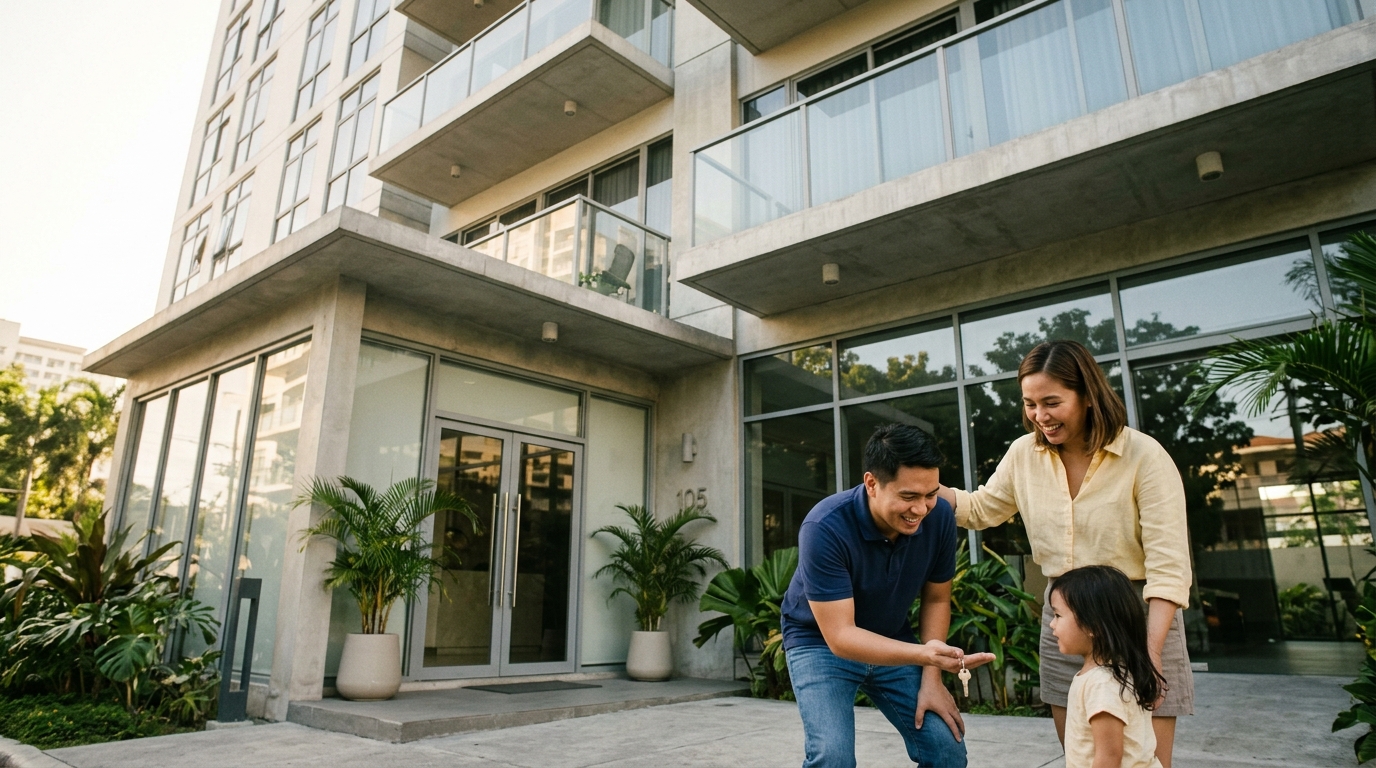
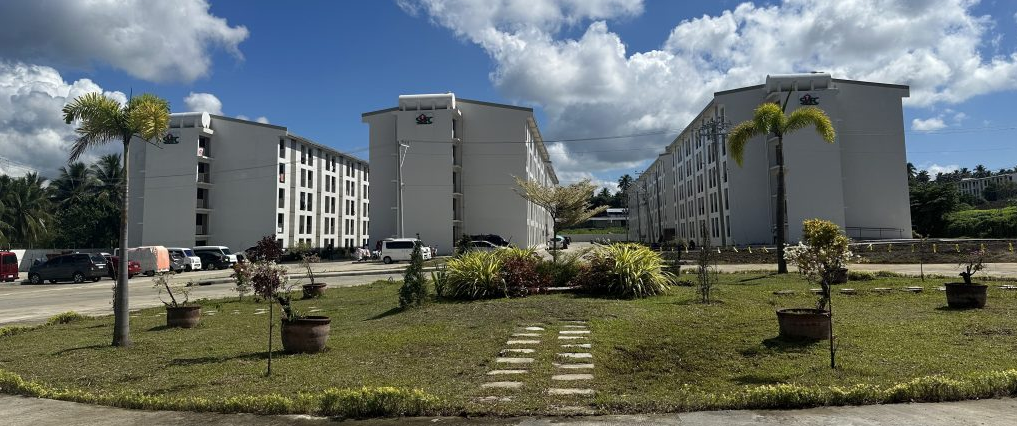
Colliers data reveals a condominium take-up rate of 90 percent across Davao City. Nine out of every ten units on the market have been sold or reserved. Bondoc described this as a clear buy signal: once supply thins, prices will climb. Major developers like Aeon are posting 84 percent take-up rates.
The horizontal segment is even stronger. House-and-lot projects in Davao del Sur reached 94 percent absorption, with annual price increases ranging from 4 to 9 percent. Lot-only developments posted up to 16 percent annual appreciation, a segment Bondoc attributes to pandemic-era demand for open, nature-oriented spaces.
The Office Market With the Lowest Vacancy Outside Manila
Davao's office vacancy rate has fallen to just 3 percent, the lowest among all regional hubs. BPO firms are expanding aggressively, absorbing limited supply and driving lease rates higher. Bondoc described the cycle as "limited supply but growth in demand results in an increase in rent."
The outsourcing industry now employs nearly 100,000 workers in the city, a figure that continues to rise as major locators seek provincial destinations with lower operational costs and deep talent pools. New universities—Lyceum, De La Salle, Mapúa, and National University—are strengthening that workforce.