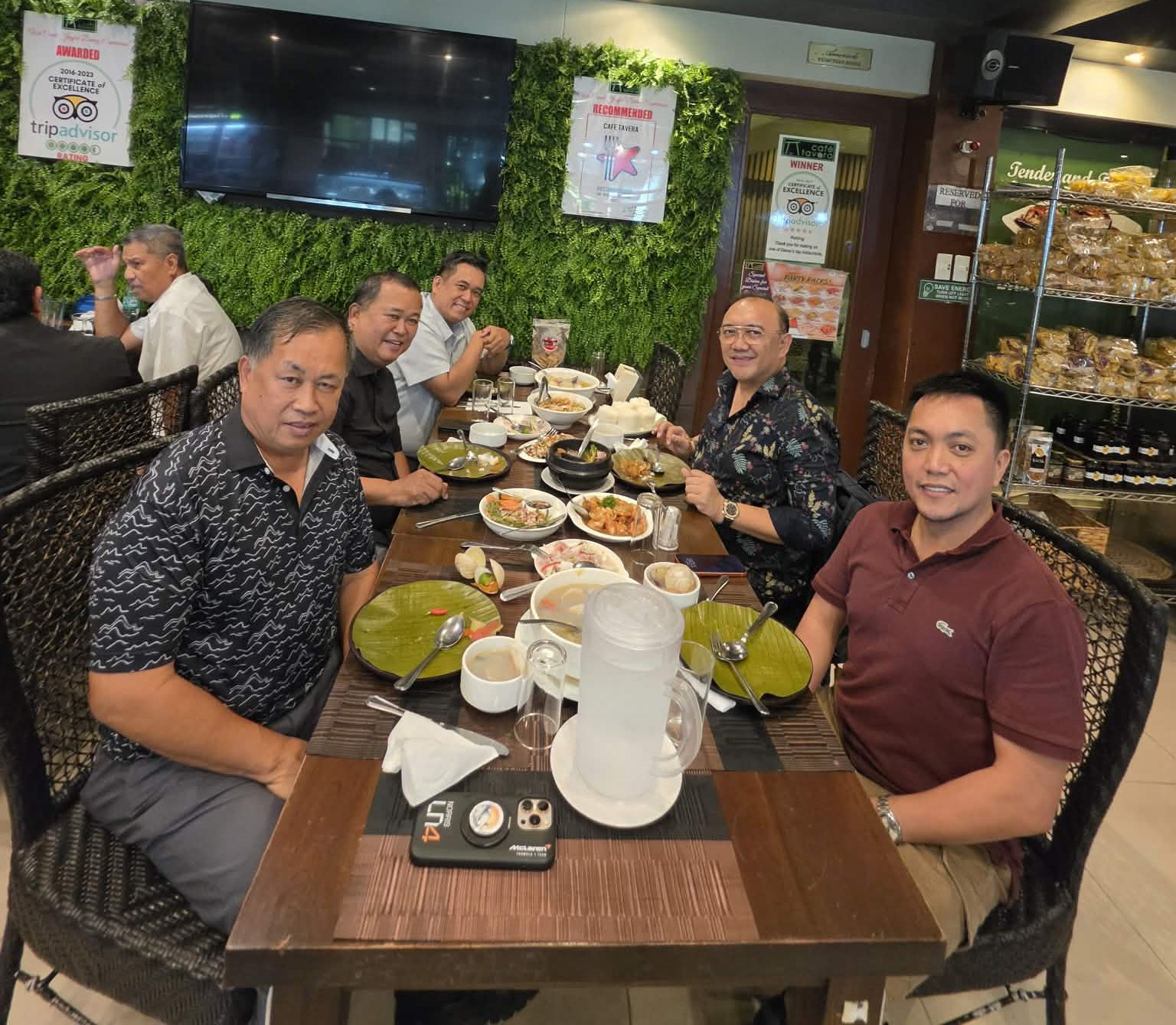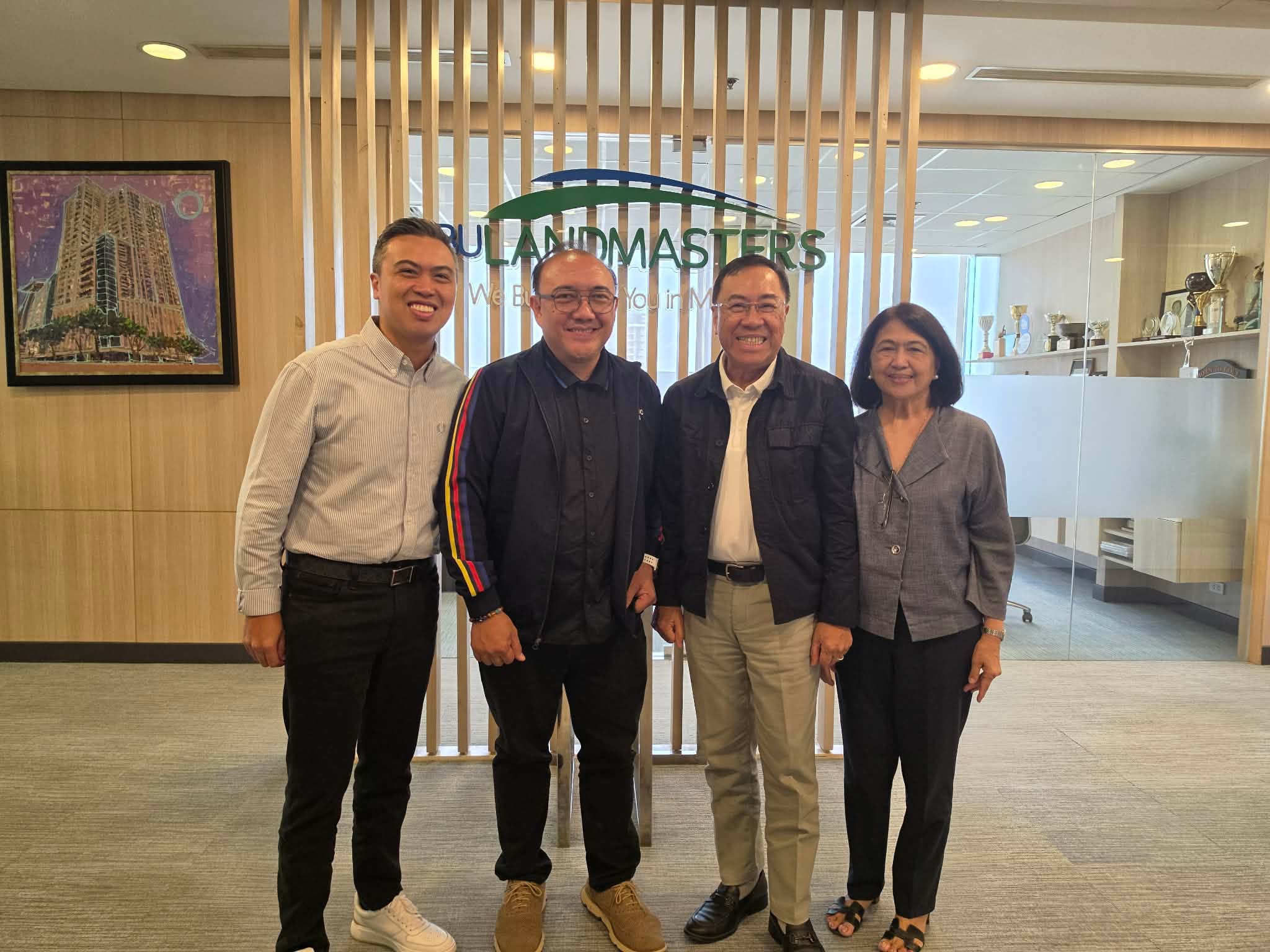
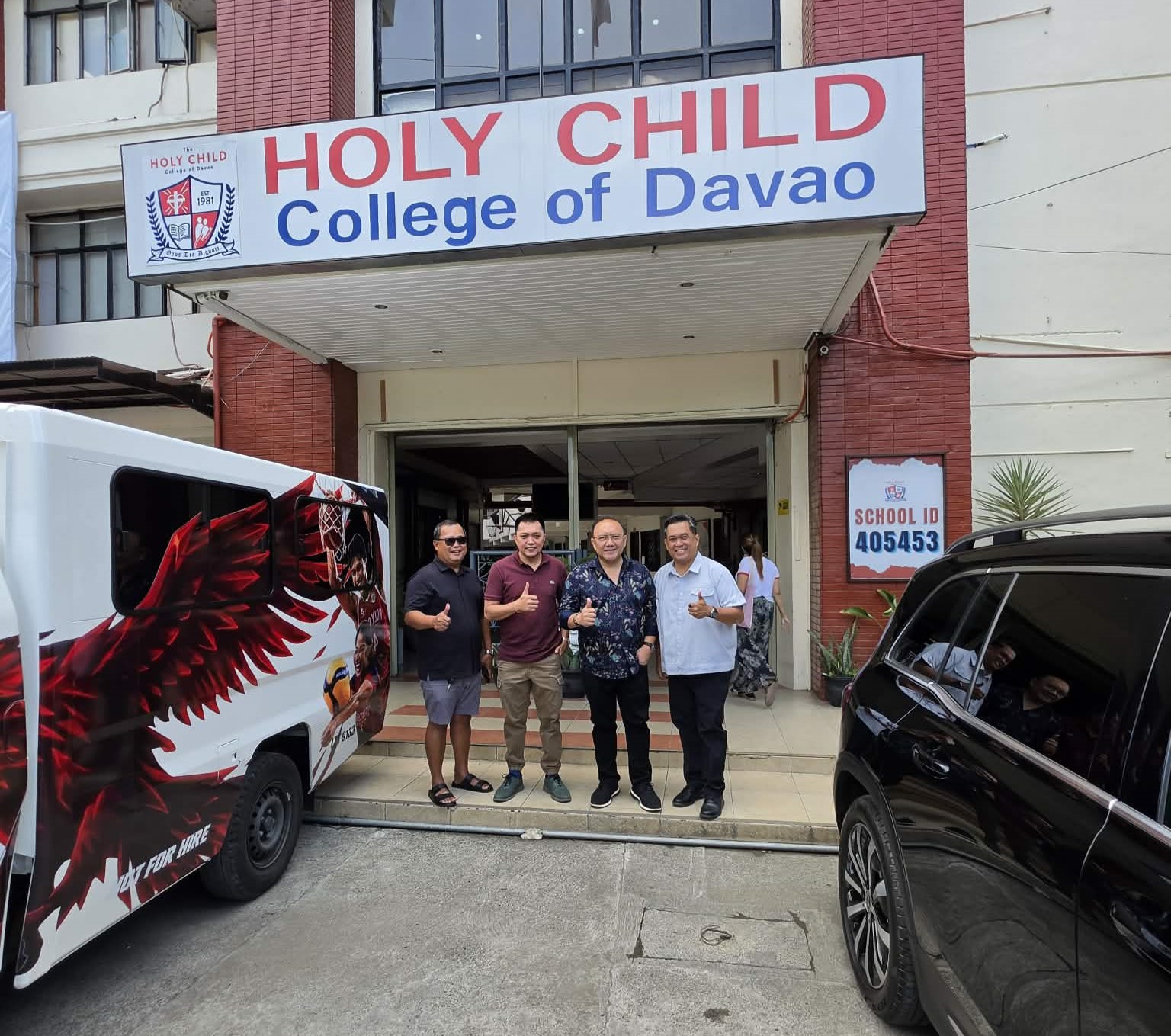
DAVAO CITY — On May 8, 2026, two branches of one of Davao's quietest but most influential families sat down together to discuss a question that has shaped their collective identity for 45 years: what comes next for Holy Child College of Davao? In a meeting that has since stirred quiet interest in both academic and property circles, FilipinoHomes CEO Anthony Gerard Leuterio sat with relatives from the Leuterio family—the owners of the Bible-based institution—to map out a future where the school's mission and Davao's booming real estate landscape intersect.
The conversation was intimate but strategic. On one side sits Anthony Leuterio, the founder of the country's largest real estate brokerage network and the 2024 International Realtor of the Year, an entrepreneur who has built his career on connecting Filipinos to property. On the other sits the Leuterio family, whose matriarch Victoria D. Leuterio founded Holy Child as a modest daycare in a Gempesaw garage in 1981 and whose son, Pol Allan D. Leuterio, now serves as School President. The May 8 talks, confirmed by sources close to both parties, centered on two pillars: safeguarding the school's faith-driven educational mission and exploring real estate opportunities that could secure its financial footing for decades to come.
A School Born in a Garage, Now Eyeing University Status
To understand why the meeting matters, one must first understand what Holy Child College of Davao has become. What began as a two-classroom preparatory school has grown across four decades into a three-campus institution serving thousands of students from preschool to college. Its main campus on Jacinto Street anchors a network that now includes the Kalayaan, Green Meadows, and Trinity campuses—the latter in Cabantian alone home to over 1,000 learners.
The school's trajectory has been guided by a singular philosophy: "Every child is holy." That phrase, now embedded in the institution's identity, was articulated most recently by President Pol Allan Leuterio during his investiture in October 2025. Taking the torch from outgoing president Vikki Lou Leuterio Manalo, Pol Allan—fondly called "Sir Pugsy" by students—acknowledged he was not a career educator but had been "exposed to Holy Child since its founding" and had "seen the school's growth and the founder's heart."
Under his leadership, Holy Child has already made measurable strides in 2026. On March 3, Pol Allan led school leaders to the regional EDCOM II dialogue, engaging DepEd, CHED, and TESDA directors on the national education reform roadmap. Days later, on March 9, the school signed a Memorandum of Agreement with the Philippine National Police at Camp Catitipan, opening real-world immersion opportunities for students. The school's athletic program has also surged: its table tennis and badminton standouts dominated DAVRAA 2026, securing berths in the Palarong Pambansa. Scholarship applications—offering up to 100 percent tuition discounts—opened from April 15 to May 15, reaffirming the institution's commitment to accessibility.
Where Education Meets Real Estate
The May 8 meeting's real estate dimension is impossible to ignore against the backdrop of Davao's current property boom. Colliers Philippines reported in early May 2026 that Davao's condominium take-up rate has hit 90 percent, while the house-and-lot segment in Davao del Sur has surged to 94 percent. Lot-only projects have posted annual price appreciation as high as 16 percent. Major developers—Robinsons Land, Torre Lorenzo, Aeon Luxe—are pouring capital into the city, and the office vacancy rate sits at just 3 percent, the lowest outside Metro Manila.
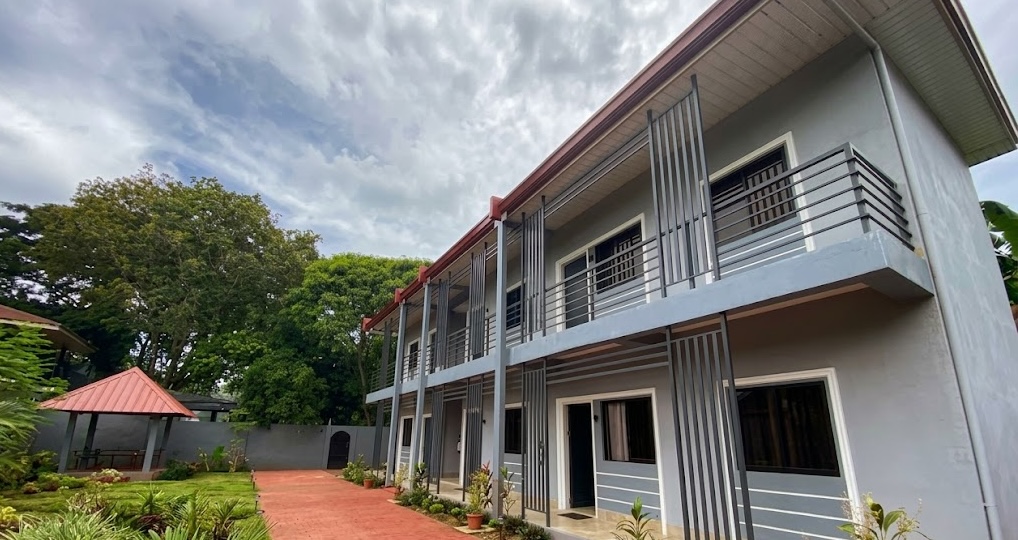
For the Leuterio family, who control significant land holdings around Holy Child's three campuses, the question is not whether to engage with this market but how. Anthony Leuterio, whose Filipino Homes network spans thousands of agents and has recently expanded into Dubai and Madrid, brings precisely the kind of institutional real estate expertise that a family-run educational institution might need when considering campus expansion, faculty housing, or income-generating commercial developments on school-adjacent properties.
The synergy runs deeper than transactional interest. Anthony Leuterio has publicly advocated for sustainable and affordable housing, often urging developers to prioritize options for local and international buyers. Those values align with a school whose mission statement promises to "empower each community of workers and students to become servant leaders." A real estate strategy built around Holy Child's campuses—whether faculty villages, student dormitories, or mixed-use developments that generate revenue for scholarships—would extend the school's ministry into the built environment that surrounds it.
The 2030 Vision and What It Demands
Holy Child College of Davao has set an ambitious target: international university status by 2030. Achieving that will require more than academic rigor. It will demand physical infrastructure—modern laboratories, expanded libraries, upgraded sports facilities, and potentially student housing that can attract enrollees from beyond the Davao Region. The school's expansion history offers a precedent: when demand grew, the Leuterios opened new campuses. Green Meadows, which now offers preschool through college, and Trinity, which has rapidly grown to a thousand-strong student body, both represent the family's willingness to invest in physical space when mission and market align.
The May 8 talks, then, were likely not about a single transaction but about building a framework: how can the Leuterio family's real estate assets be deployed to fuel Holy Child's next phase without compromising its Christ-centered identity? Anthony Leuterio's presence suggests that whatever answer emerges, it will draw on the same blend of entrepreneurial energy and relationship-driven business that has defined his own career—a career that began, in many ways, at the same family table.