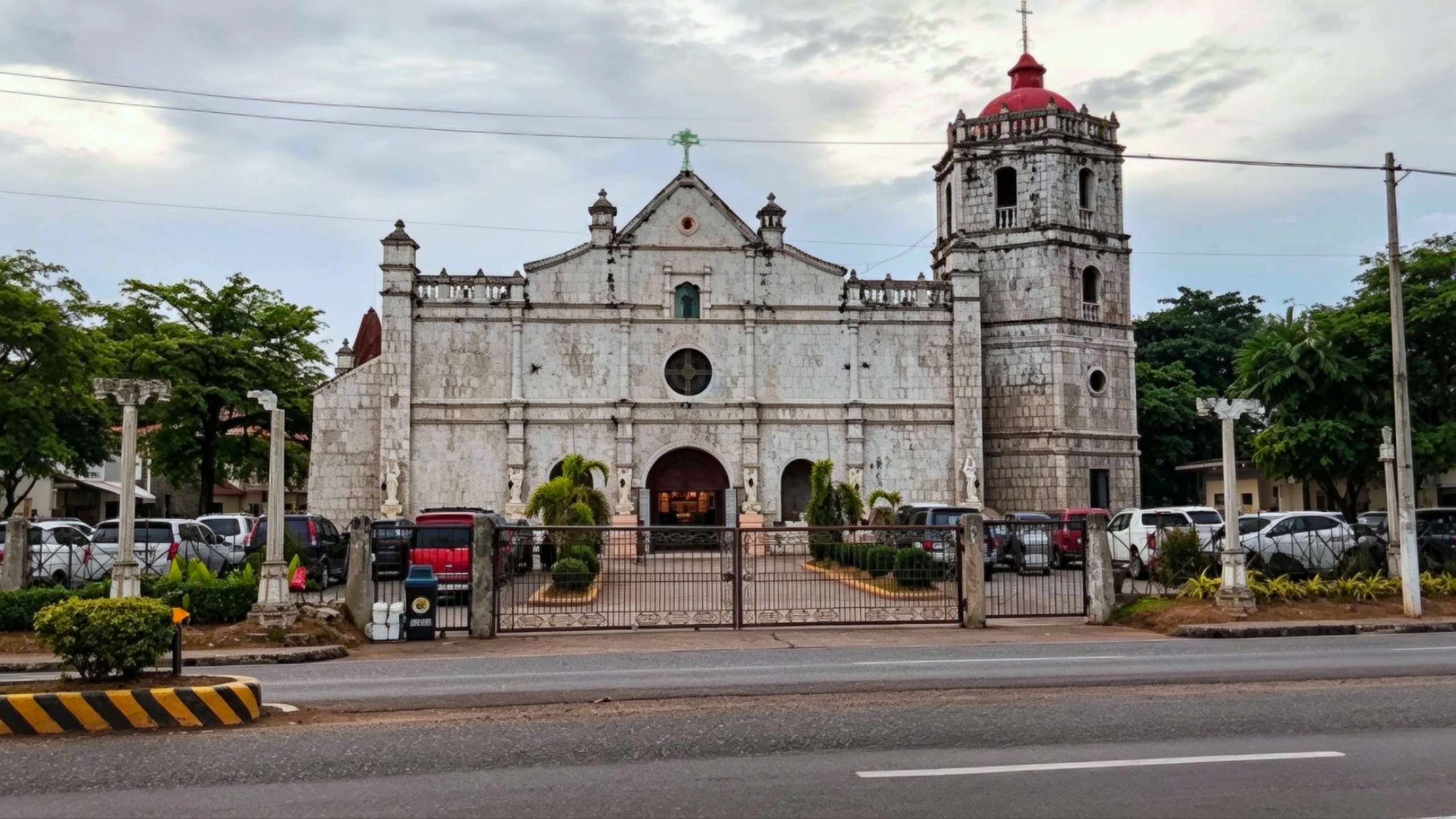
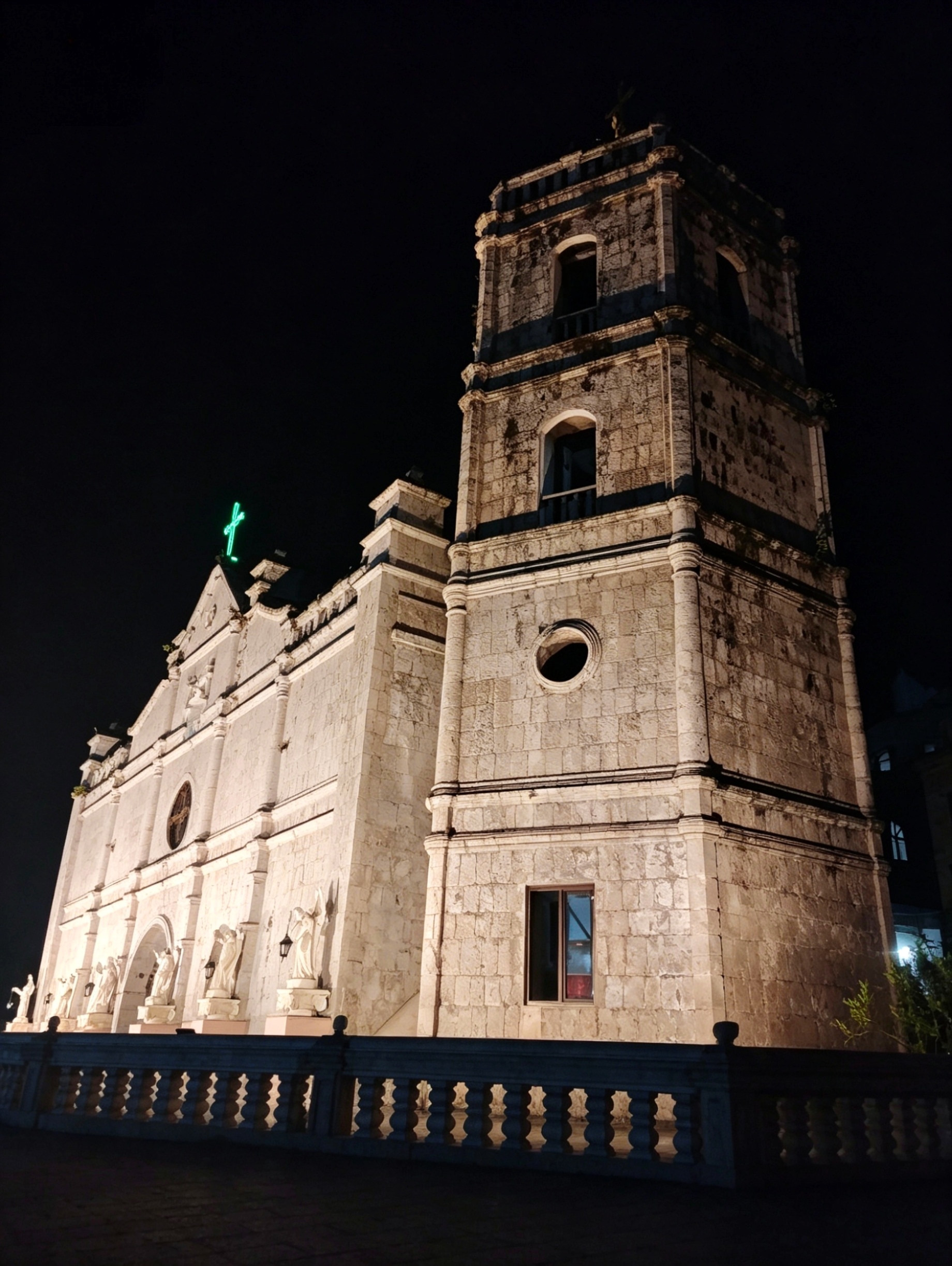
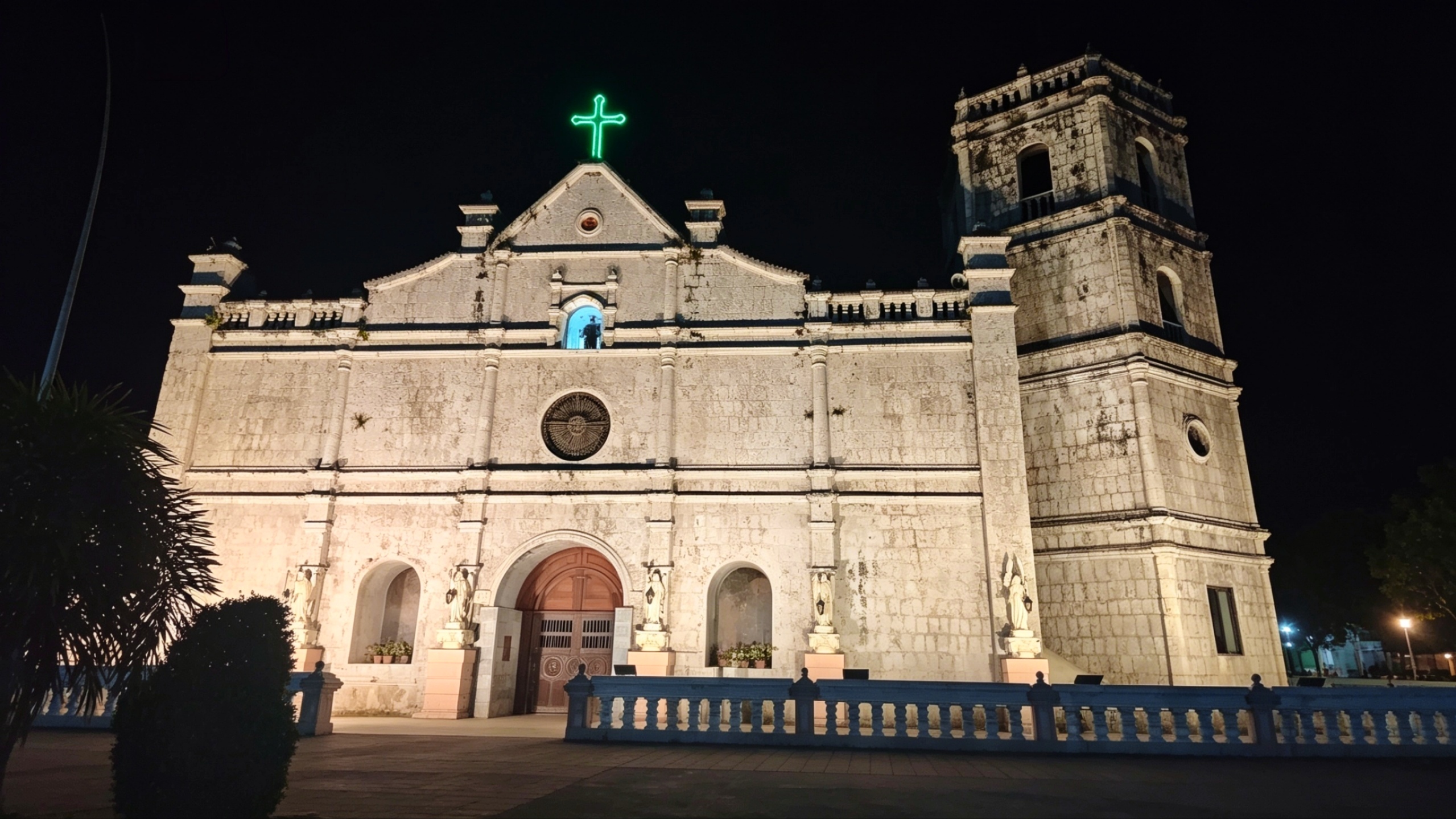
Cebu — Standing as a silent, majestic sentinel along the coastline of Danao City, the Sto. Tomas de Villanueva Parish Church is much more than a place of worship—it is a storied monument to Cebu’s colonial past. Established as a parish in 1671, the church has weathered centuries of change, standing as one of the oldest and most significant religious structures in the Philippines. Its brilliant, coral-white facade against the backdrop of the Camotes Sea serves not only as a spiritual anchor for the community but as a living testament to the architectural mastery and religious devotion that defined the Spanish colonial era.
A Masterpiece of Colonial Craftsmanship
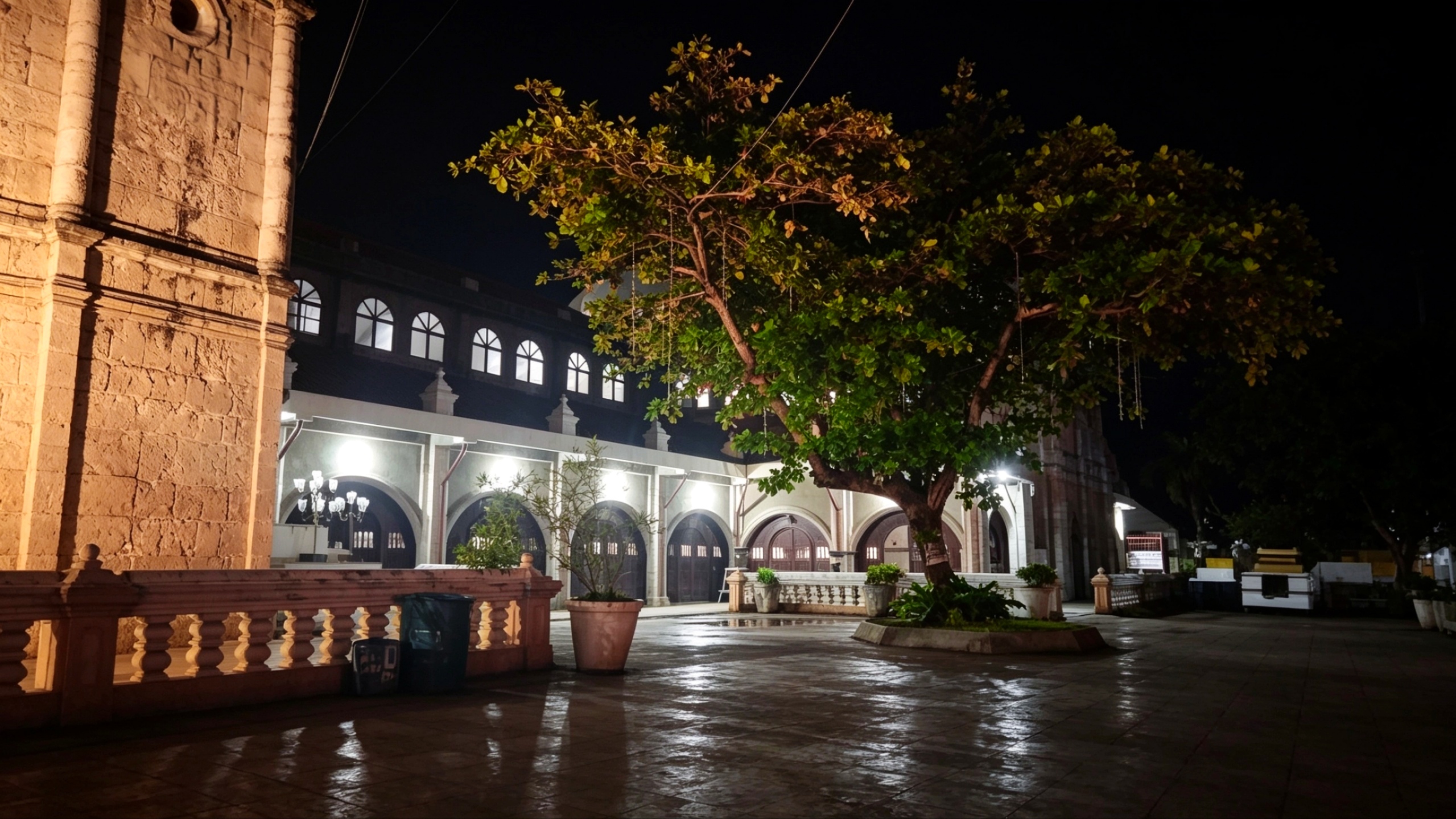
The church’s architectural profile is a striking fusion of Spanish Baroque and Romanesque elements, constructed with a unique mix of sea-cut coral stones and sugarcane juice that has given it remarkable longevity. Visitors are immediately greeted by the facade, which features six intricately carved stone angels guarding the entrance, leading the eye toward the iconic four-level octagonal belfry. Historically, this bell tower served a dual purpose: it was a place of worship and a vital navigational landmark for mariners crossing the Camotes Sea. Inside, the design reaches new heights with a transept dome decorated to resemble a bishop’s mitre—a direct tribute to Saint Thomas of Villanova—and a resplendent golden altarpiece that illuminates the nave.
Resilience Through Fire and Faith
The history of this parish is a narrative of survival and restoration, marked most dramatically by the devastation of World War II. In 1942, a fire razed large portions of the original 1755 structure, leaving the community to rebuild their spiritual home in stages over the following decades. A definitive chapter in this history began in 1981, when a comprehensive restoration program, supported by the local Durano family, breathed new life into the aging structure. The culmination of these efforts was marked on December 23, 1985, when the finalized marble altar was blessed by Ricardo J. Cardinal Vidal, signaling the church’s return to its full, historic glory.