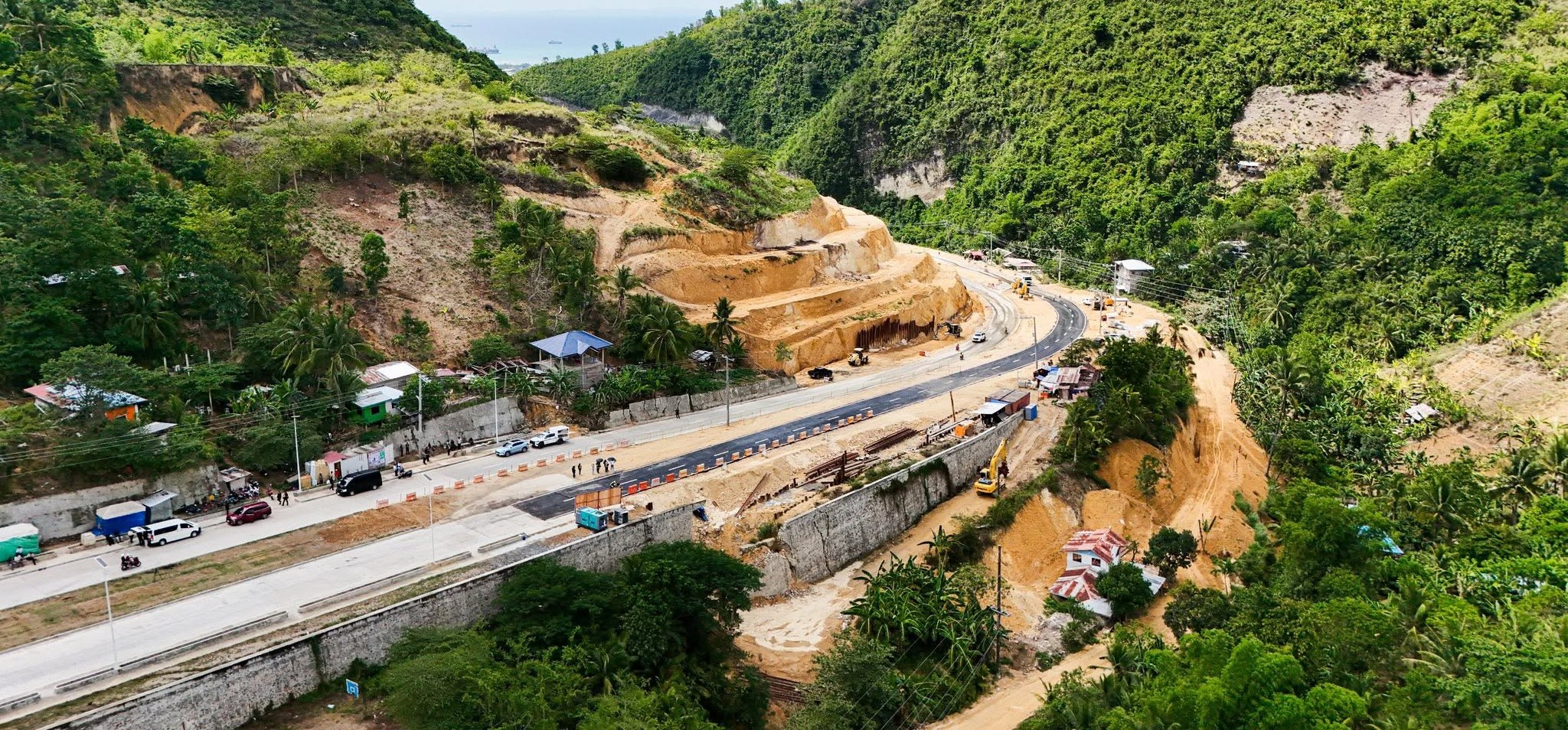
CEBU — President Ferdinand R. Marcos Jr. inspected the ongoing rehabilitation of the Metro Cebu Expressway Segment 3A on June 22, 2026, announcing that the 4.55‑kilometer stretch is now passable. The development promises to unlock faster, safer access to southern Cebu’s emerging tourism destinations.
A Faster Gateway to the South
The newly passable road slashes travel time between Barangay Pangdan and the Naga Valley Industrial Park from 25 minutes to just 10 minutes. For tourists heading to the beaches, dive sites, and heritage towns of southern Cebu, the reduced travel time makes day trips far more practical. Visitors staying in Metro Cebu can now explore more destinations without long hours on the road.
The segment forms part of the wider 56.94‑kilometer Metro Cebu Expressway, which will eventually link Naga City in the south to Danao City in the north. Once fully completed, the expressway will create a seamless corridor for travelers moving across the island. This improved connectivity is expected to distribute tourist traffic more evenly across Cebu’s municipalities.
A Scenic Route Restored
The rehabilitation involved extensive slope stabilization, drainage improvements, and creek rehabilitation. Engineers realigned the roadway away from dangerous cliff sides, and expanded it to four lanes. The upgrades ensure that the route remains open even during severe weather, giving travelers confidence to explore the countryside year‑round.
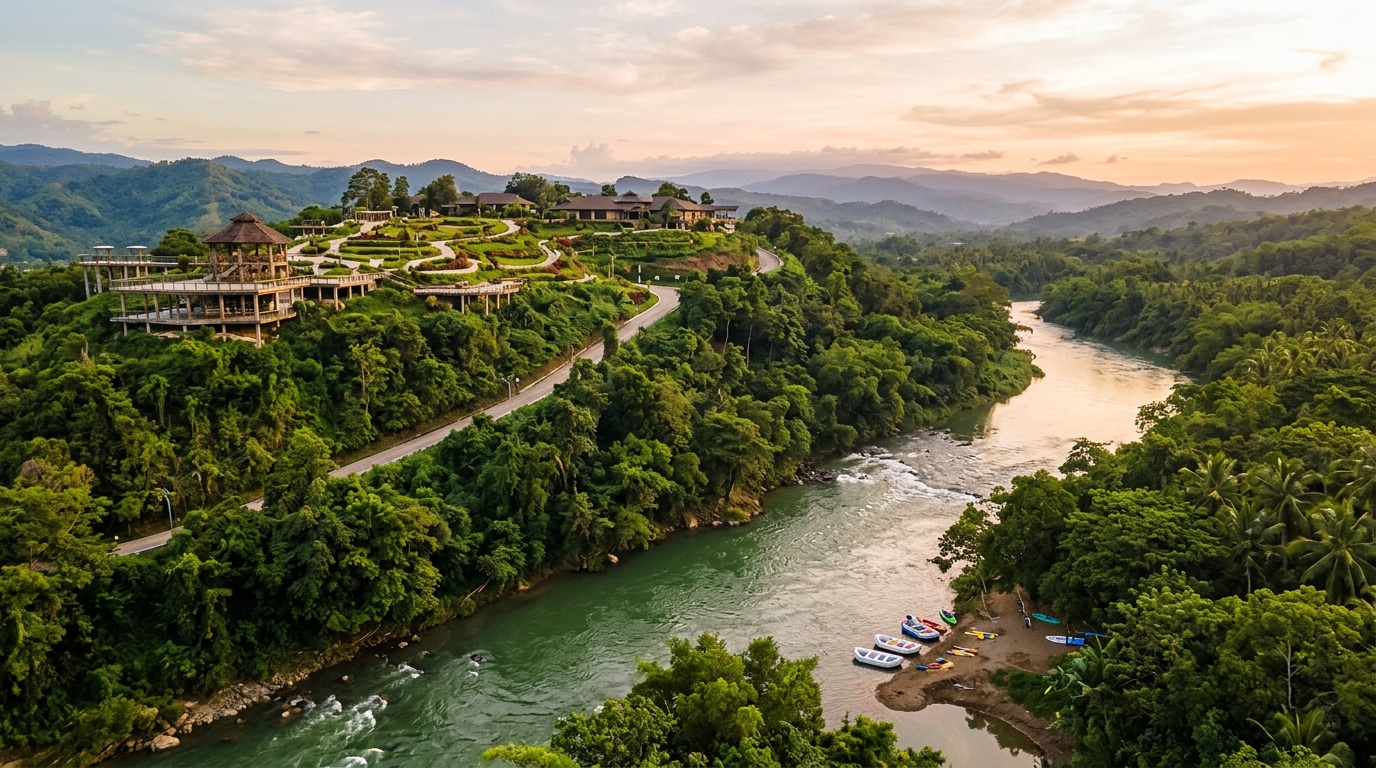
Beyond its engineering merits, the road offers sweeping views of Cebu’s mountainous interior and coastal fringes. Scenic drives are an integral part of the tourism experience, and this restored expressway segment delivers a journey that is both efficient and visually rewarding. The improved road surface also enhances comfort for passengers in tour vans and private vehicles.
Boosting Local Tourism Enterprises
The reopening directly benefits the tourism enterprises that dot southern Cebu’s landscape. Resorts, heritage churches, canyoneering operators, and farm tourism sites now enjoy a more reliable connection to the urban center. Shorter travel times encourage spontaneous weekend getaways, boosting occupancy rates and foot traffic.
During the expressway’s closure, many small tourism businesses suffered from reduced visitor numbers due to difficult detours. The return of smooth transit is expected to revitalize local economies that depend on tourism spending. Communities in Minglanilla, San Fernando, and beyond are already anticipating a rebound in visitor arrivals.
A Year‑Round Destination Unlocked
The expressway segment sits at the gateway to Cebu’s adventure tourism corridor, home to whale shark interactions in Oslob, the sardine run in Moalboal, and the Kawasan Falls in Badian. Faster travel times from the city make these iconic attractions more accessible for same‑day excursions, a key consideration for budget‑conscious travelers.
With the road now operational, tour operators can design more compact itineraries that maximize experiences while minimizing transit time. This efficiency strengthens Cebu’s position as a premier tourism hub, catering to both international visitors and domestic travelers seeking quick getaways. The improved infrastructure also enhances the island’s competitiveness against other regional destinations.
Looking Ahead to Full Completion
The Department of Public Works and Highways reported that Segment 3A is 62.79 percent complete, with full completion targeted for July 2026. Once finished, the four‑lane expressway will further elevate the travel experience, supporting the province’s ambition to attract higher visitor numbers and larger international events.
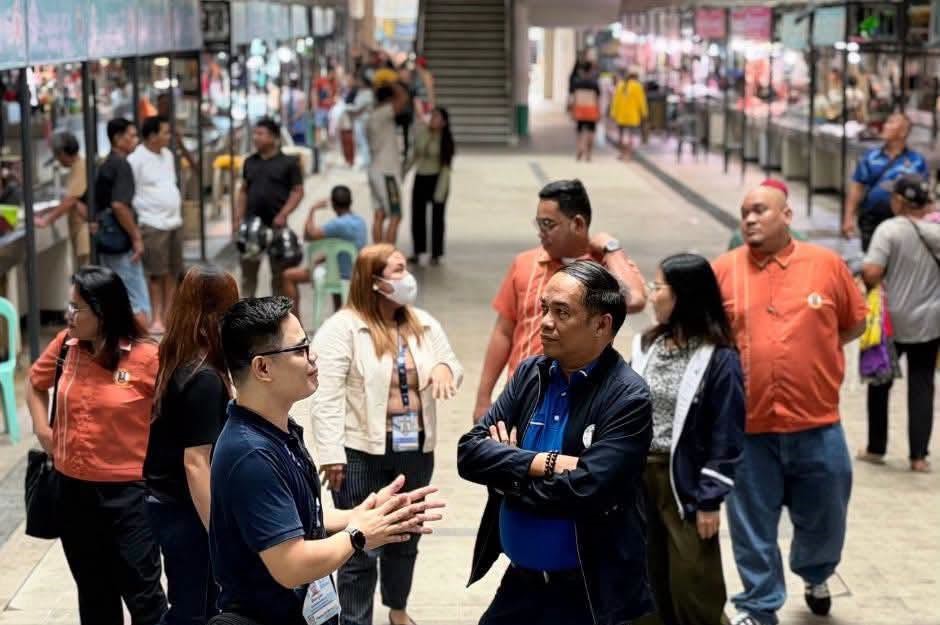
President Marcos was joined by DPWH Secretary Vince Dizon and Governor Pamela Baricuatro during the inspection. Their presence underscored the national government’s commitment to completing critical tourism‑supporting infrastructure. The project stands as a tangible investment in Cebu’s future as a top‑tier destination.