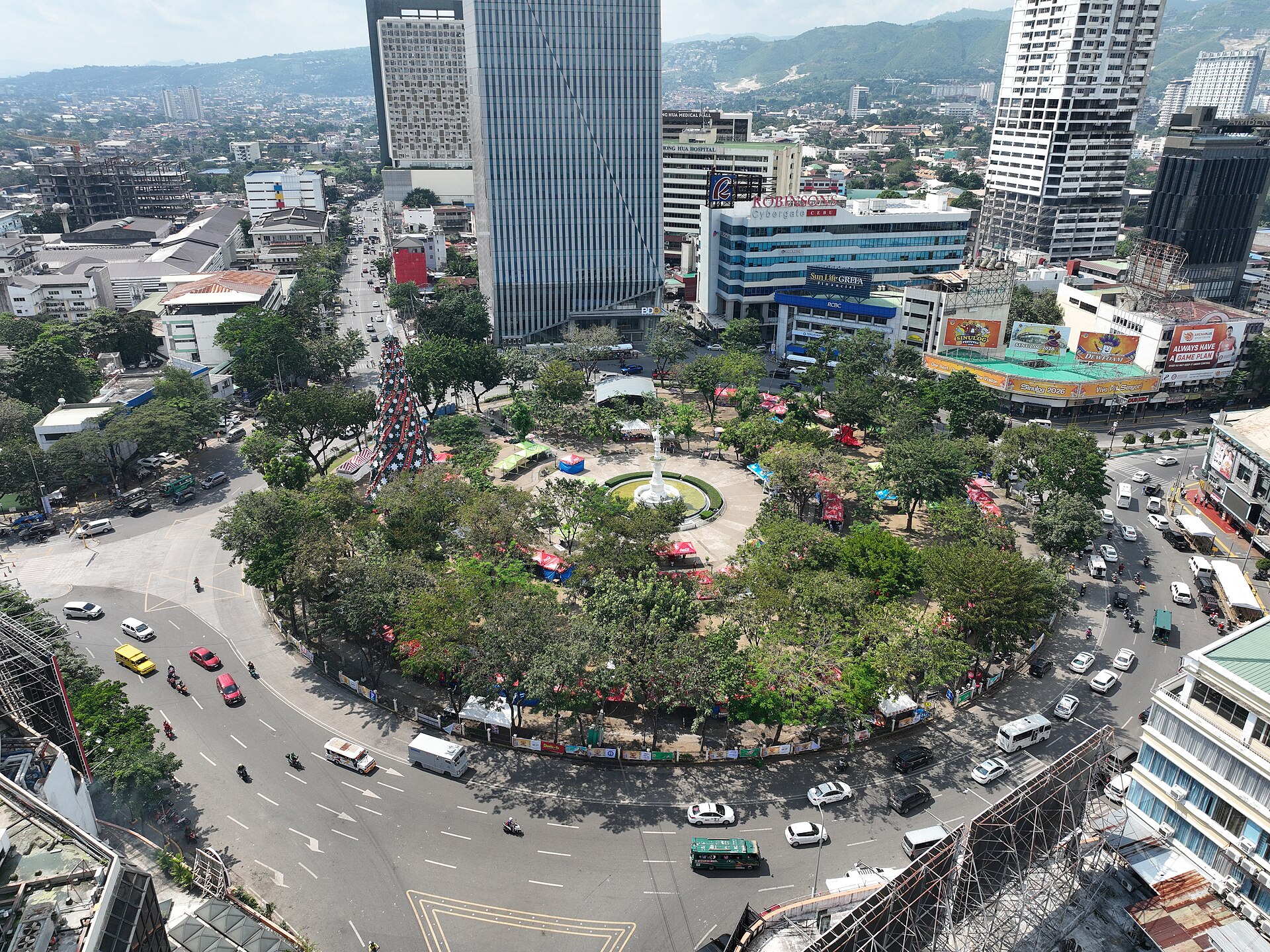
CEBU CITY — The century‑old heart of Cebu is preparing for its most significant transformation in decades. On May 5, 2026, Mayor Nestor Archival met with leaders of the Cebu Chamber of Commerce and Industry to advance a comprehensive revitalization plan for Fuente Osmeña Circle, the historic landmark that has anchored the city's civic life since its fountain was completed in 1923. The proposal prioritizes pedestrian safety, expanded green spaces, and modern amenities while preserving the open sightlines that have defined the circle since it was first laid out under American architect William E. Parsons in 1912.
"This is not an ordinary meeting," Archival said. "This is about shaping a safer, more accessible, and more vibrant public space for every Cebuano." The gathering included chamber leaders Bernard and Buck Sia, Justin Eduave, Dr. Danilo Jaque, Renato Solis, Jay Yuvallos, and Reagan Rex King, who together reviewed site conditions and identified the structural problems that have eroded the landmark's usability over the years.
A Landmark That Time and Traffic Have Worn Down
Daily users of the circle navigate a landscape of cracked jogging paths, uneven surfaces, and walkways interrupted by exposed manhole covers. Mature trees and poorly positioned electrical transformers split pedestrian movement, creating bottlenecks that frustrate commuters. Unsafe exits and sudden elevation changes add risk for joggers and visitors. What was once a proud civic space has become, for many, a hazard to be crossed quickly rather than a destination to be enjoyed.
The redevelopment concept directly addresses each of these failures. A proposed 12‑meter entry and exit corridor aligned with the Cebu Provincial Capitol axis will streamline movement and reduce conflicts between pedestrians and vehicles. Wider walkways, clearer entry points, and more direct routes will guide visitors toward the central fountain, which the plan restores as the visual centerpiece of the circle.
From International Inspiration to Local Implementation
Designers drew from globally recognized public spaces—Rizal Park in Manila, the Washington Monument area, Columbus Circle in New York, and La Défense in Paris—to shape a vision rooted in open‑space planning and pedestrian‑friendly design. The plan explicitly avoids dense construction, instead expanding green spaces, adding shaded walkways, installing vegetative buffers to limit noise and pollution, and deploying tree‑grating systems to protect the mature trees that have defined the circle's character for decades.
New features include play areas, kiosks, public toilets, security stations, flexible event grounds, and adaptable spaces for public gatherings. Operational fixes such as consolidated utilities and improved maintenance logistics will strengthen long‑term site management. The fountain itself, built to commemorate Cebu's first waterworks system and named after President Sergio Osmeña Sr.—the only Cebuano to serve as Philippine president—will remain the visual anchor of the space.
A Participatory Process Shaping Cebu's Tourism Future
Archival assured the public that consultations will continue as the design evolves. "Kabalo ko nga daghan ninyo ang concerned sa changes. Rest assured, inyong tingog importante. We will continue to listen, consult, and act responsibly," he said. The City Government plans ongoing meetings with stakeholders, architects, and business leaders, stressing that the process remains open to refinement.
For Cebu's tourism sector, the revitalization arrives at a strategic moment. The city recently hosted the 48th ASEAN Summit, drawing international attention to its infrastructure and hospitality. A greener, safer, and more vibrant Fuente Osmeña Circle will strengthen the city's appeal as a destination where history, culture, and modern urban life intersect. When the century‑old fountain once again becomes a place where people pause rather than pass through, Cebu will have reclaimed its heart.