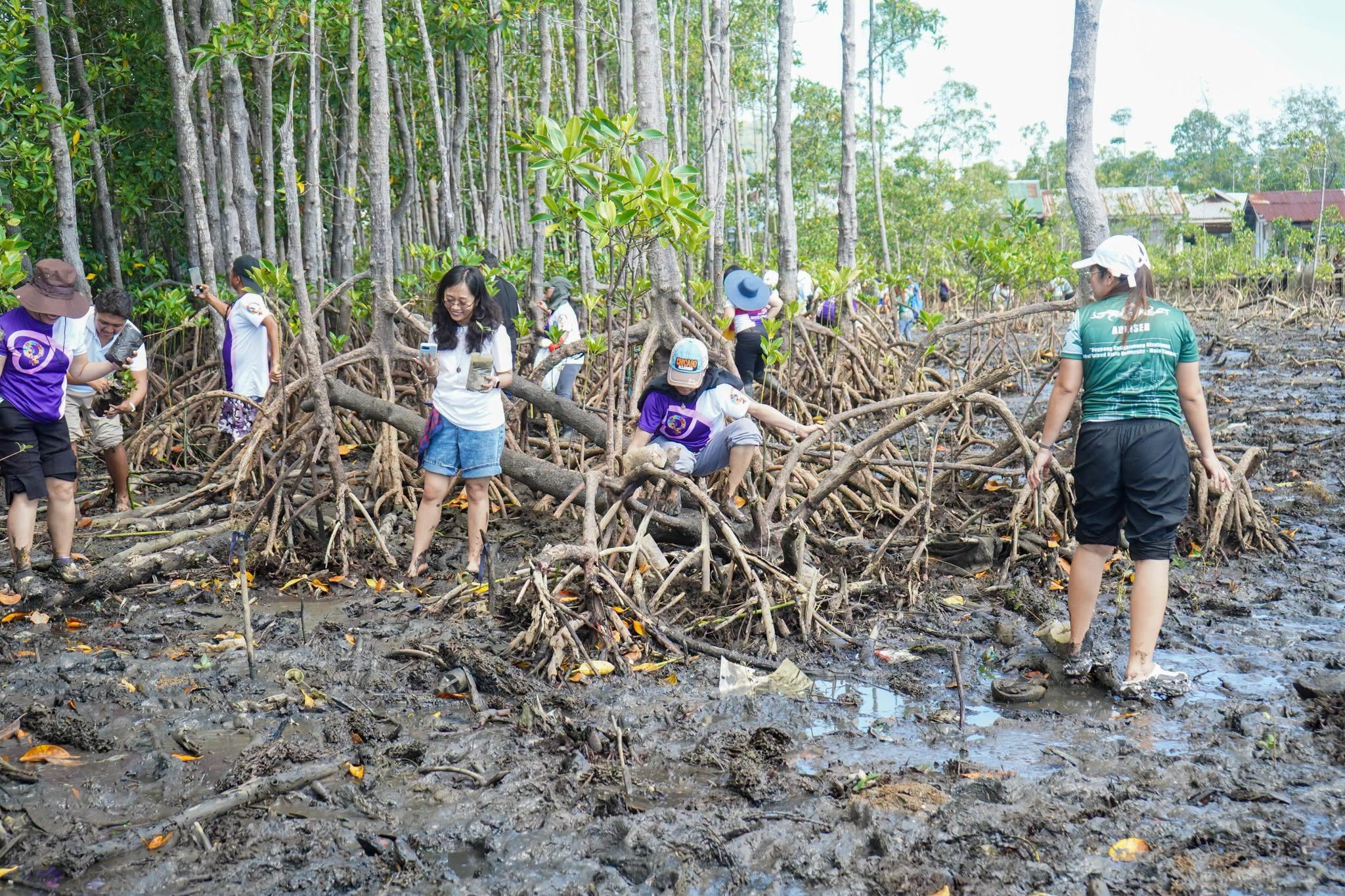
Bohol — More than 700 volunteers gathered on June 25, 2026, to plant 1,500 Bungalon mangrove seedlings along the shores of Clarin, Maribojoc, and Bien Unido. The simultaneous activity marked Philippine Arbor Day and reinforced Bohol’s reputation as a destination where nature and community intertwine.
A Sea of Volunteers Restoring Coastal Forests
The event, led by the Provincial Government of Bohol and its Environment Management Office (BPEMO), drew participants from government agencies, local governments, private groups, and academic institutions. The collective planting was not just an environmental exercise but a visible commitment to protecting the coastline that draws countless visitors each year.
Forester Restituto Jr. Piollo, BPEMO officer-in-charge, noted that the mangrove-growing directly supports the rehabilitation of areas damaged by previous typhoons. The young seedlings will grow into natural barriers against storm surges, preserving the pristine beaches and dive sites that tourists love.
Mangroves as Bohol’s Green Shield and Tourist Draw
Mangroves do more than protect communities from waves and erosion; they are nurseries for marine life and a magnet for eco-tourists. Kayaking through mangrove tunnels and bird-watching in these coastal forests are becoming signature activities for visitors seeking a deeper connection with Bohol’s UNESCO Global Geopark.
The new seedlings will eventually create lush corridors where travelers can paddle silently, spotting herons and crabs among the tangled roots. The planting directly enhances the province’s coastal greenbelt, a strategy to keep the seascape vibrant and resilient. For the tourism sector, a healthy mangrove ecosystem means more snorkeling, diving, and wildlife encounters.
Arbor Day Takes Root in a UNESCO Geopark
The activity was part of the “Trees for Unity” campaign, aligning with Philippine Environment Month and the broader Sandugo sa Bohol 2026 festival’s Atiman stream, which focuses on health, safety, and environmental welfare. By weaving conservation into its cultural calendar, Bohol invites tourists to witness and even participate in stewardship efforts.
Governor Aris Aumentado has emphasized that the province’s status as the country’s first UNESCO Global Geopark comes with a responsibility to lead in environmental protection. Arbor Day, traditionally about planting trees, extended its roots to the sea, a reminder that the Geopark’s treasures include its rich marine habitats.
From Typhoon Damage to Thriving Ecosystem
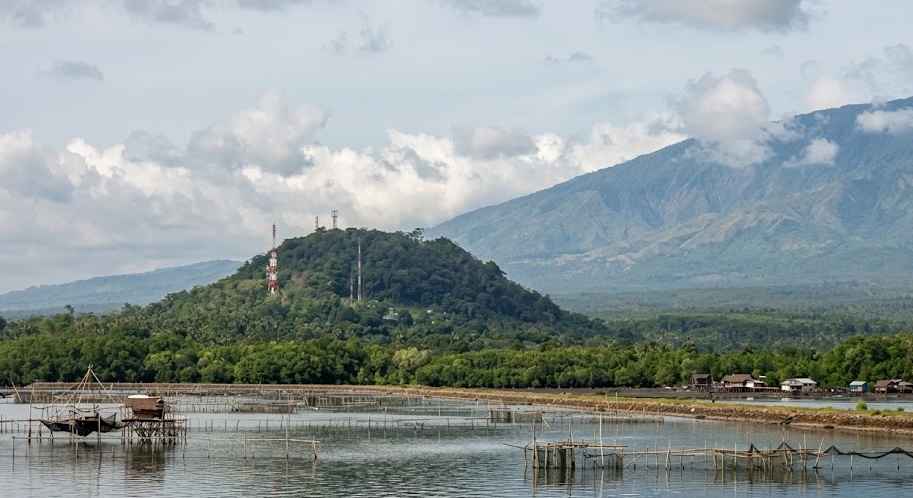
The chosen sites were once battered by typhoons, leaving coastal communities vulnerable. The 1,500 Bungalon seedlings will form a natural defense, stabilizing sediments and reducing flood risks. For local fishermen and tour guides, the rehabilitation means restored livelihoods and enhanced natural attractions.
The Coastal Greenbelt Ordinance provides the policy backbone for the effort, ensuring that such plantings are sustained beyond a single day. Tourists who visit these sites in the coming years will witness the transformation from barren mudflats to thriving forests, a story of hope and resilience that enriches any trip.
Community Spirit Grows Along the Shoreline
Families, students, and barangay officials worked side by side, their hands in the mud, their laughter carried by the sea breeze. The event highlighted the bayanihan spirit that underpins Boholano culture, an authentic experience that visitors can observe and even join during volunteer tourism programs.
Local governments have committed to nurturing the seedlings, turning the one-day activity into a long-term partnership. For the travel industry, these community-driven initiatives add a layer of meaning to a vacation, allowing guests to leave a positive footprint on the places they explore.