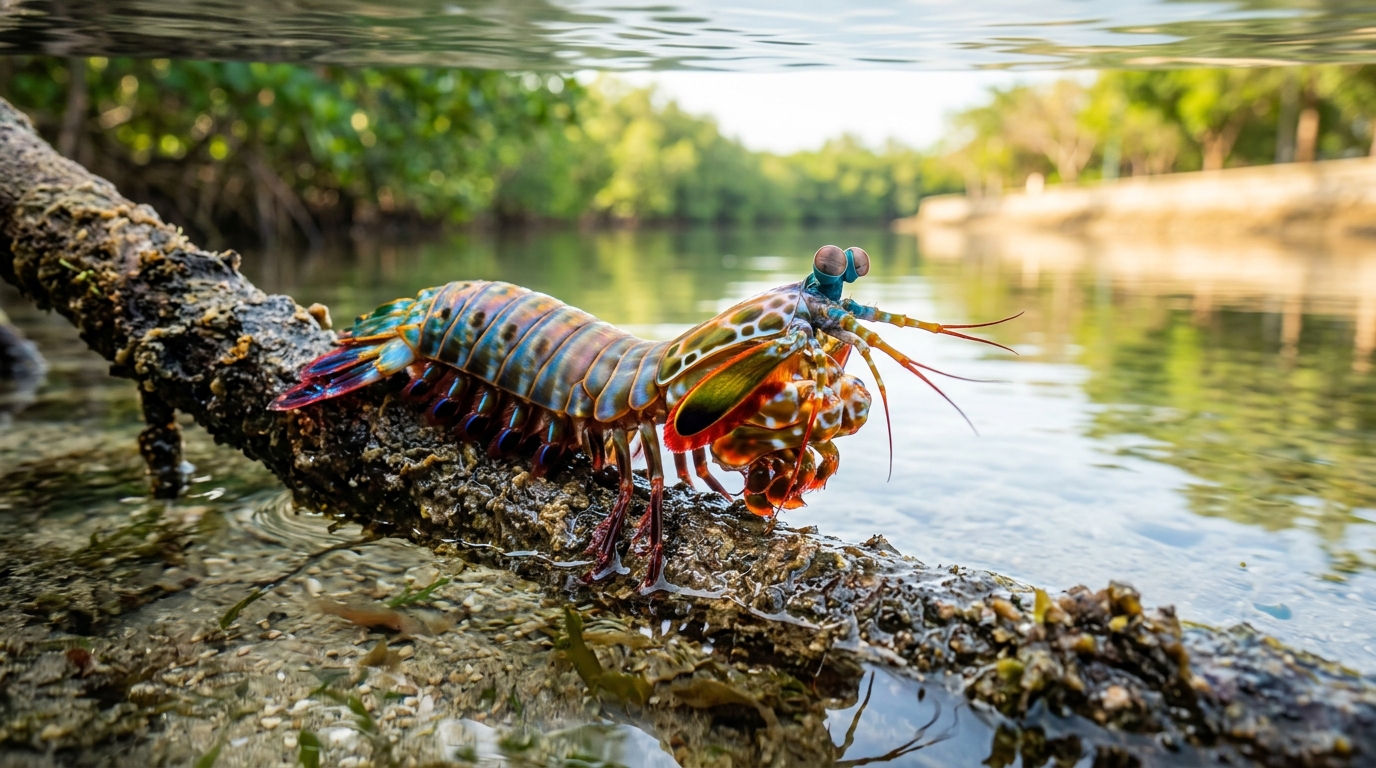
ILOILO CITY — Anglers along the Iloilo Esplanade have been pulling up an unexpected catch: the mantis shrimp, known locally as pitik‑pitik. Its sudden appearance is more than a curiosity; it signals that the river is coming back to life, and with it, a fresh reason for visitors to explore the city’s green corridors.
A Tiny Predator with a Big Message
Mantis shrimp are fussy creatures. They need clean, oxygen‑rich water and a steady supply of prey to settle in. Their presence along the esplanade tells scientists and residents alike that the river’s ecosystem is healing. For years, the waterway struggled under pollution and neglect, but these small hunters are proof that rehabilitation efforts are working.
Each pitik‑pitik caught is a living indicator of improving water quality. They thrive where smaller fish and crustaceans are abundant, which means the river’s food web is rebuilding. For tourists walking the esplanade, the sight of locals pulling in these colorful creatures adds an element of surprise and discovery to the urban landscape. It turns a simple stroll into a wildlife encounter.
The Long Road to a Living River
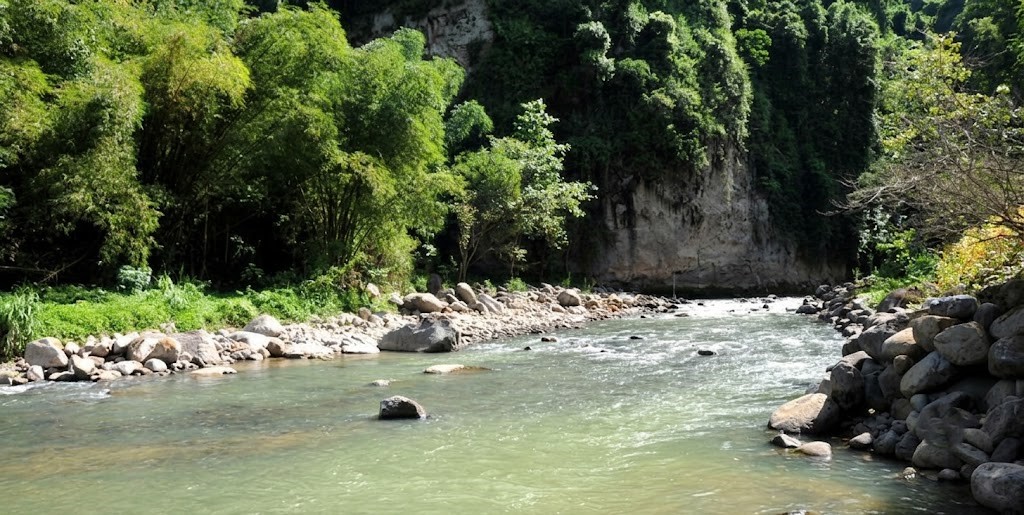
Two decades ago, the Iloilo River was gasping for breath. Illegal fish pens choked its flow, untreated waste poured in from informal settlements, and its banks were eroding. The local government responded with a sweeping rehabilitation program that relocated thousands of families, dismantled illegal structures, and planted over 100,000 mangroves.
Those mangroves now cover up to 80 hectares, forming a thick green belt that filters runoff and provides nursery grounds for marine life. The river’s recovery didn’t happen overnight, but every year brings new signs of vitality. The return of the mantis shrimp is one of the most visible milestones in that journey, a reward for years of consistent environmental governance.
A Global Model for Urban Nature
Iloilo’s success has not gone unnoticed. In early 2026, the United Nations Environment Programme named the city a Generation Restoration Role Model City, one of only 11 globally. The accolade recognizes the city’s nature‑based solutions, from its mangrove forests to its linear park system that now stretches over 10 kilometers along the river.
This international stamp of approval makes Iloilo a magnet for eco‑conscious travelers. Delegations from other cities visit to study how the esplanade transformed a polluted river into a vibrant public space. For leisure tourists, the title adds prestige and curiosity, encouraging them to see what a globally recognized green city looks like in person.
Fishing with Care for the Future
While a few mantis shrimp on a hook may seem harmless, conservationists urge restraint. These crustaceans are important mid‑level predators that keep smaller populations in check. Removing too many could disrupt the balance that has taken years to restore.
Responsible angling and habitat protection must go hand in hand with celebration. The city promotes catch‑and‑release practices and continues to enforce anti‑littering and water quality regulations. The message is clear: the river’s revival is for everyone to enjoy, but also for everyone to protect.
An Invitation to Explore
For visitors, the esplanade offers more than just a scenic jogging path. It is now a place where nature surprises you—a flash of color from a mantis shrimp, the rustle of mangrove leaves, the sudden flight of a heron. The river has become a living classroom and a quiet escape in the heart of the city.
As word spreads about the river’s returning wildlife, more tourists are expected to include the esplanade in their Iloilo itinerary. The mantis shrimp may be small, but it carries a big invitation: come see what a revitalized river can offer.