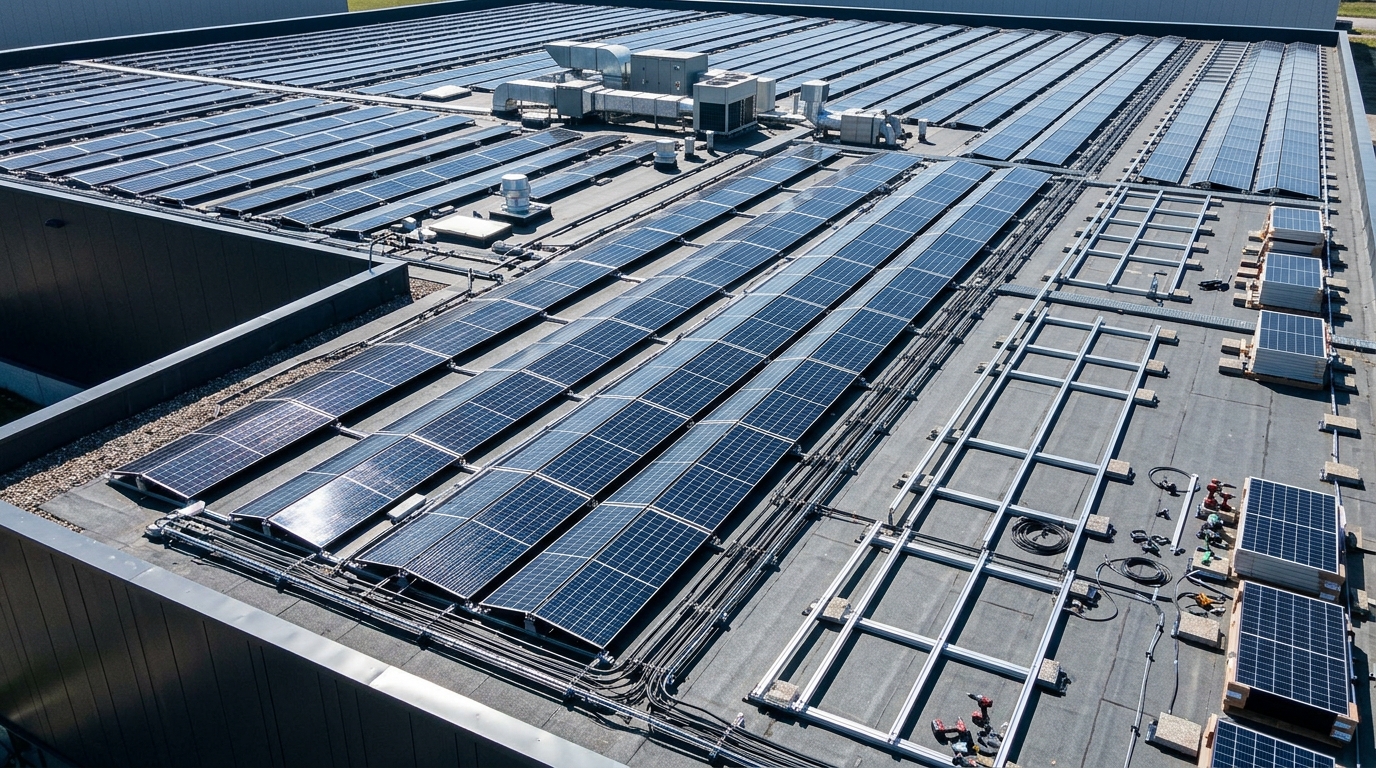
A major industrial change occurred inside the 62-hectare Cebu Light Industrial Park in Lapu-Lapu City, an economic zone managed by the Philippine Economic Zone Authority. Goldilocks Bakeshop Inc. finalized a long-term sustainability partnership with First Gen Corp. to transform how it powers its central Visayan operations. The two corporate entities gathered to launch a massive 516-kilowatt-peak solar photovoltaic network right on the roof of the baker’s central commissary. This facility handles the production for approximately 100 retail outlets spread across Cebu, Bohol, Dumaguete, Masbate, and Siquijor. This structural shift highlights how major consumer brands are taking direct control of their utility costs using eco-friendly engineering solutions.
Lowering the Cost of Mass Baking Operations
The deployment of this extensive rooftop solar array serves a practical financial purpose for the cake manufacturer. Baking hundreds of thousands of pastries every week requires an immense amount of continuous electricity to keep commercial ovens, cooling systems, and automated mixing lines running smoothly. By generating over half a megawatt of electricity directly from the sun, the bakeshop significantly insulates its production costs from volatile grid pricing. Corporate planners note that keeping energy bills stable allows the company to protect its retail pricing, keeping favorite childhood desserts affordable for everyday shoppers. It demonstrates that green energy is a highly effective tool for maintaining market competitiveness.
Securing the Regional Pastry Supply Chain
Because this central Lapu-Lapu factory supplies product lines to multiple surrounding island provinces, any power grid instability could disrupt celebrations across the central plains. Integrating independent solar systems ensures that the facility can maintain its manufacturing schedules even when the main regional electrical grid faces summer peak strains. Factory engineers have meticulously calibrated the solar panels to work in sync with the city's power lines, creating a reliable hybrid system. This protective layout prevents unexpected factory downtime, ensuring that deliveries to distant outlets in Bohol and Dumaguete arrive on time. The project sets a strong example for other food manufacturing hubs in the Visayas.
A Clean Blue Blueprint for Economic Zone Tenants
Industrial real estate managers should be watching this project closely, viewing it as a practical test case for updating older manufacturing facilities within economic zones. Bringing modern renewable energy installations to existing factory roofs avoids the need to clear raw rural land for massive solar farms. Other major industrial operators should start reviewing installation metrics to plan similar green retrofits at their local warehouses before the end of the fiscal year. This trend would eventually change how international corporations calculate the long-term environmental value of their local manufacturing footprints. Lapu-Lapu City continues to develop into a prominent hub for smart corporate infrastructure.