Cebu — In a significant move toward sustainable waste management, the Cebu City government officially opened its new "Ecostation" facility at the South Road Properties (SRP) on June 6, 2026. This initiative marks a crucial step in the city’s ongoing efforts to manage its daily garbage collection more effectively, particularly following the recent landfill crisis. By utilizing advanced processing technology to convert waste into valuable resources, city officials project that the facility could reduce the volume of garbage hauled to landfills by up to 15 tons per day.
Turning Waste into Resources
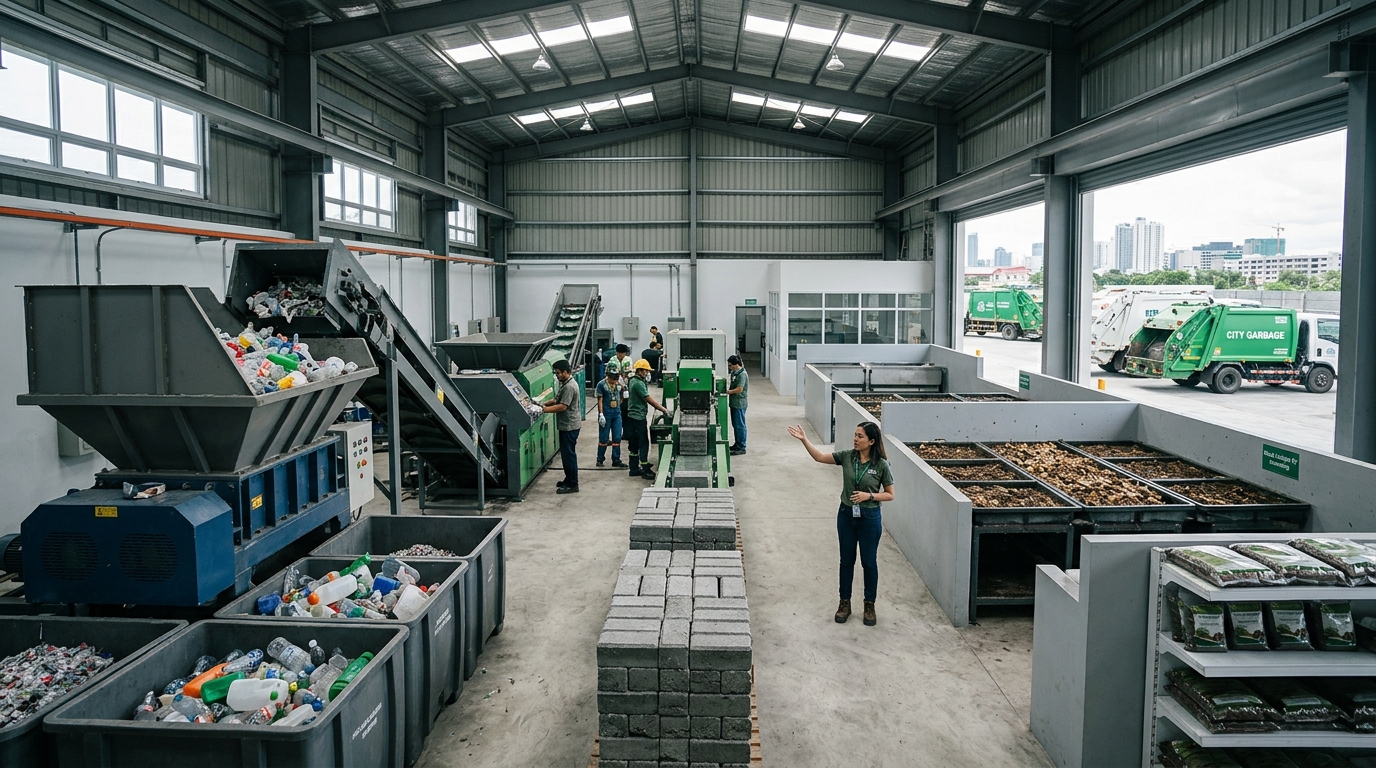
The Ecostation is equipped with specialized machinery, including plastic shredders and shredder-compost machines, designed to process trash into usable by-products. According to facility supervisor Rizza Isabelle Albina, shredded waste is being repurposed by private partners and the city’s Department of Engineering and Public Works to create durable "ecobricks." Furthermore, the facility features an innovative black soldier fly breeding farm where larvae naturally decompose biodegradable waste, converting it into high-quality compost, fertilizer, and protein-rich animal feed. This multi-faceted approach not only alleviates the burden on landfills but also provides sustainable inputs for farming and cleaning operations within the facility, which even extracts its own freshwater using an ionization reactor.
Paving the Way for a Cleaner Future
While the facility currently services 10 pilot barangays under Executive Order No. 73, Mayor Nestor Archival has expressed a clear vision to expand this program to all 51 urban barangays in the coming years. This transition is economically vital; the city currently faces a staggering hauling cost of ₱3,904 per ton to transport garbage to a private landfill in Aloguinsan, amounting to roughly ₱1 billion in annual expenses. By investing in shredding and composting technologies, Cebu City aims to mitigate these rising disposal costs while moving toward a target of a 30 percent reduction in daily collected waste by 2028. As the city continues to embrace these smart-city innovations, the Ecostation stands as a cornerstone of its commitment to environmental resilience and fiscal responsibility.