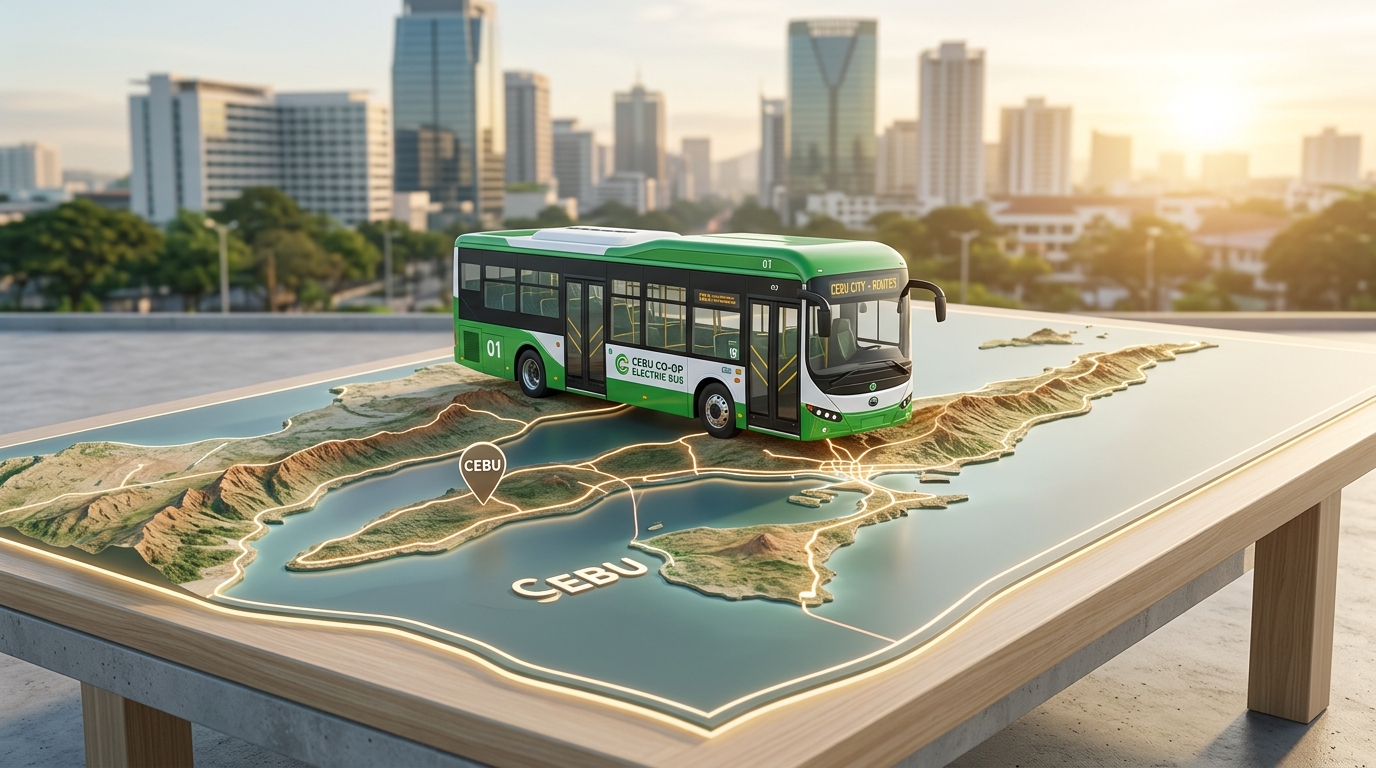
Cebu — Public transportation in Metro Cebu is set for a major upgrade as transport cooperatives may soon acquire electric buses with zero down payment. The Department of Transportation and the Department of Trade and Industry have identified Metro Cebu as a priority area for this national EV rollout, moving beyond the capital region. Under this initiative, cooperatives can apply for up to three units, with the government financing program covering a significant portion of the P4.5 million cost per bus. By removing the barrier of large upfront payments that plagued previous modernization efforts, this program aims to accelerate the transition to sustainable public transport while lowering fuel expenses for operators.
Overcoming Financial Barriers to Modernization
Previously, many transport cooperatives struggled to transition to cleaner fleets because the substantial upfront capital required was far beyond their collective reach. This new financing model changes the landscape by allowing local operators to focus on long-term operational savings rather than immediate, prohibitive liquidity challenges. By lowering the entry threshold, the Department of Transportation and the Department of Trade and Industry are creating a clear pathway for smaller, local businesses to participate in the national modernization effort. This transition is expected to lead to a significant decrease in daily fuel consumption and overall vehicle emissions across the city's most popular transit routes.
Improving the Daily Commuter Experience
Beyond the environmental benefits, the introduction of these electric units promises a much more comfortable and reliable commuting experience for Cebu's traveling public. These modern buses are specifically designed with better passenger amenities and significantly quieter engines, which are vast improvements over the older, legacy vehicles currently in service. As the cooperatives begin to integrate these buses, they are working closely with the government to ensure that schedules are optimized to handle high volumes of passengers during peak hours. This shift is not just about adopting new technology; it is about providing a higher standard of service to the people who rely on public transport as their daily lifeline.
The Strategic Role of Metro Cebu
Selecting Metro Cebu as a priority area for this national rollout acknowledges the region’s status as a critical commercial and transit hub. The success of this program in Cebu is being watched closely, as it could eventually serve as a definitive model for other provinces looking to accelerate their own green energy initiatives. Local leaders are optimistic that this infrastructure upgrade will prove to be a sustainable advantage for the city, positioning it as a genuine leader in modern urban planning. As more units arrive in the coming months, the focus will shift to maintaining the robust charging infrastructure required to keep the new fleet running smoothly and efficiently.