CEBU CITY — Business and government leaders called for deeper investments in public‑private partnerships to address Cebu's growing infrastructure needs during the Investment and Entrepreneurship Summit on June 4, 2026. The event, part of Cebu Business Month 2026, highlighted both the opportunities and challenges facing Central Visayas. Aboitiz InfraCapital Vice President Eduardo Aboitiz urged stakeholders to embrace PPPs as a practical framework for developing critical infrastructure and attracting investments.
Aboitiz pointed to the Mactan‑Cebu International Airport as a model PPP project. The partnership combined government oversight with private‑sector capital, expanding airport capacity to 12 million passengers annually. He also cited the Davao City Bulk Water Supply Project, which now supplies approximately 300 million liters of potable water daily to over one million residents. He said Cebu could benefit from similar long‑term investments in water security and climate‑resilient infrastructure.
A P1.32‑Trillion Economy Faces Headwinds
Department of Economy, Planning, and Development Region 7 Assistant Director Evelyn Nacario‑Castro presented the region's economic outlook. Central Visayas remains the country's fourth‑largest regional economy, with gross regional domestic product reaching P1.32 trillion in 2025, up from P1.15 trillion in 2023. The economy expanded by 3.7 percent in 2025 despite multiple challenges.
Services dominate the economy at 71 percent of total output. The fastest‑growing sector was human health and social work at 12.2 percent, followed by financial and insurance services. Manufacturing remained a drag, contracting by 0.9 percent. Inflation emerged as the region's most pressing concern, reaching 10.8 percent—significantly higher than the national average—driven by supply disruptions, increased transport costs, and higher fuel prices linked to geopolitical tensions.
Building Resilience Through Partnership
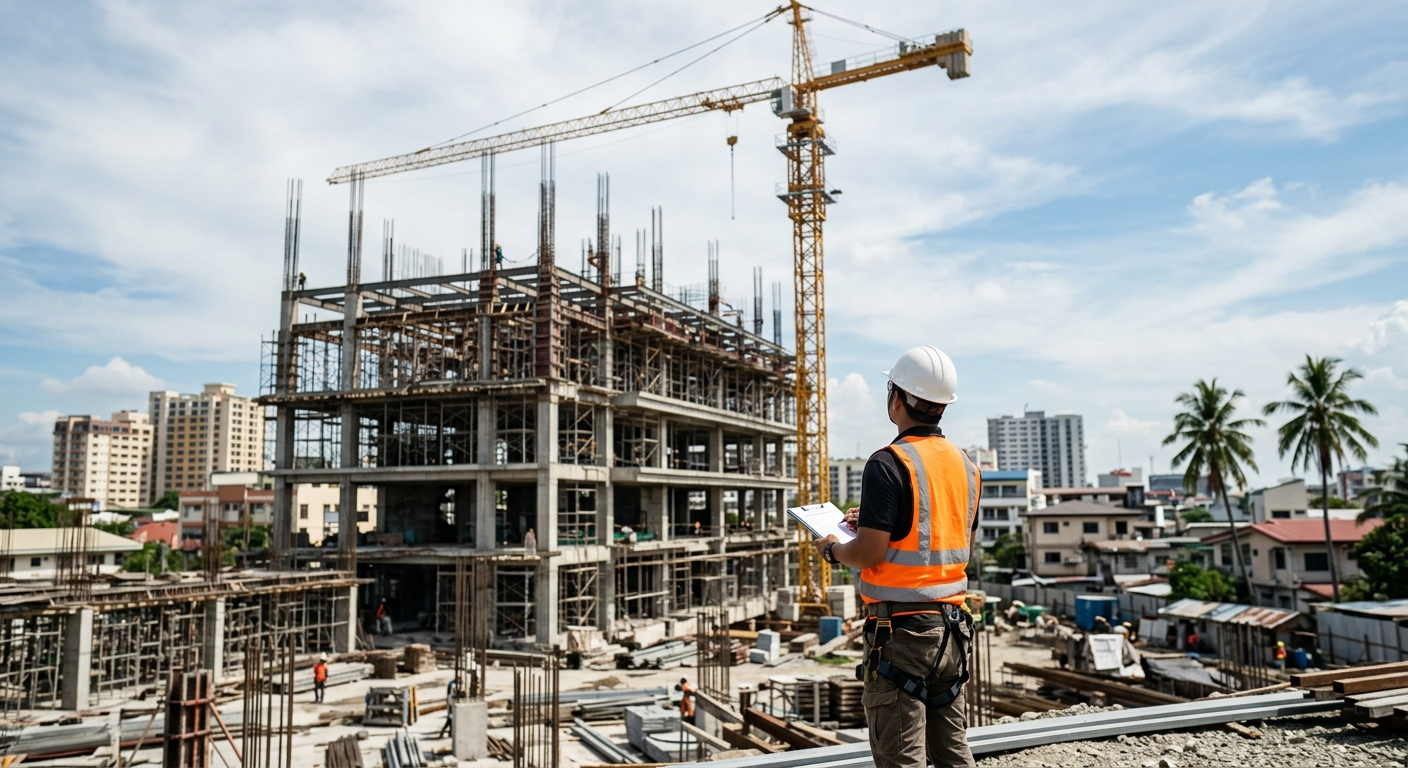
Aboitiz stressed that building Cebu's water security and infrastructure resilience requires long‑term planning, policy consistency, and strong cooperation between the public and private sectors. He expressed support for ongoing efforts to fast‑track critical dam and river‑based water projects in the province. Castro warned that Central Visayas' openness to global markets, while a strength, also exposes it to downturns in tourism, remittances, and trade. Rapid urbanization continues to create congestion, rising costs, and infrastructure gaps.
The summit underscored that Cebu's continued growth depends on its ability to modernize infrastructure through collaborative investment. For a region whose economy exceeded P1.3 trillion, the path forward lies in partnerships that deliver reliable water, efficient transport, and resilient communities.