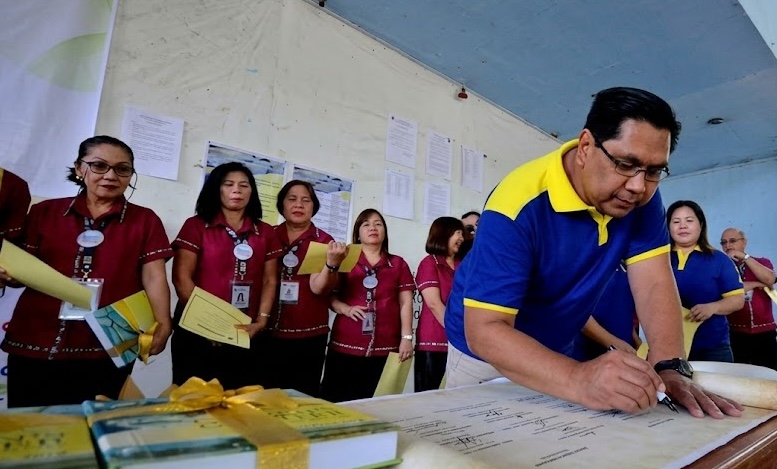
CEBU CITY — Governor Pamela S. Baricuatro issued Executive Order No. 36 on June 26, 2026, activating stricter border inspections, mandatory farm biosecurity, and local task forces against African Swine Fever. The preemptive move shields the province’s estimated ₱20‑billion swine industry from a disease creeping across the Visayas.
A Proactive Shield for Cebu
The order came even as recent laboratory tests from the Department of Agriculture and Bureau of Animal Industry confirmed zero ASF cases in the province. Governor Baricuatro stressed that waiting for an outbreak before acting would be irresponsible. The directive took effect immediately, mobilizing resources before the virus reaches Cebu’s shores.
Every component city and municipality will now activate its own ASF task force. These local teams will coordinate with the Provincial Veterinary Office to enforce surveillance, quarantine, and biosecurity measures. The governor wants no local government caught unprepared, turning the entire province into a unified defensive line.
Hard Borders and Strict Inspections
Seaports facing Negros Island, which has reported active ASF outbreaks, will undergo tighter scrutiny of livestock and pork products. Live hogs, pork, and processed meat from affected provinces are banned unless accompanied by veterinary health certificates, negative laboratory results, and other regulatory documents. The paperwork must be complete—no exceptions.
Pass‑through livestock carriers and vehicles from Negros Occidental will be restricted for up to 45 days. Officials may extend this period if the outbreak situation worsens. Random inspections have been ordered to deter smuggling, with additional personnel deployed during nighttime and graveyard shifts when illegal shipments often attempt to slip through.
The Philippine Coast Guard, the Cebu Port Authority, and the Philippine National Police are now coordinating enforcement at every entry point. This multi‑agency approach ensures that no single checkpoint becomes a weak link. For hog raisers, the message is clear: the provincial government is doing everything possible to keep the virus out.
Farm Biosecurity as the First Line of Defense
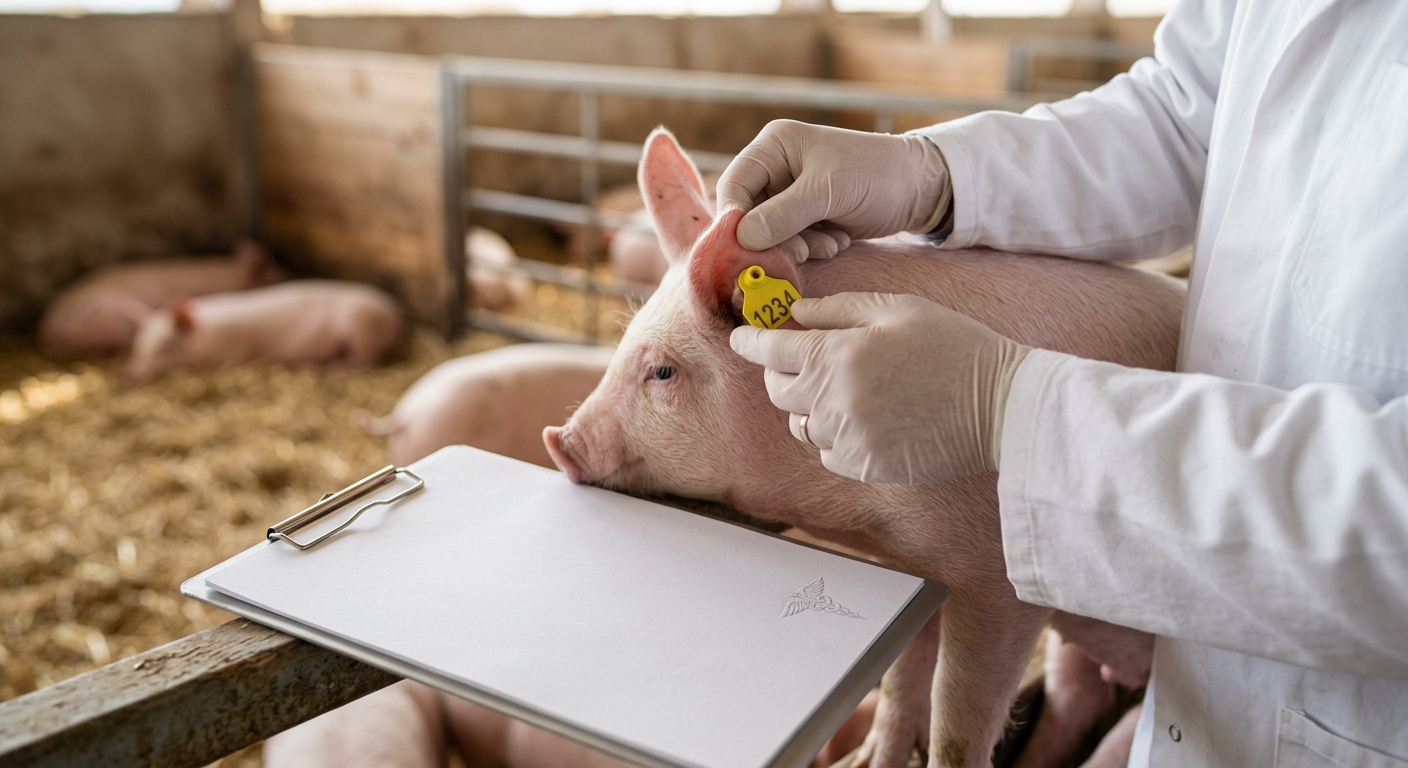
Hog raisers are now required to strengthen on‑farm defenses. Facilities must be regularly disinfected, access limited to essential personnel, footbaths installed, and protective clothing made mandatory. Swill feeding—a known transmission pathway—is strictly prohibited.
Farmers are also instructed to immediately report unusual pig deaths to local veterinary offices. Early detection gives authorities precious hours to contain any potential outbreak. Routine blood sampling and laboratory testing will continue across the province, building an early‑warning system that can detect the virus before it spreads.
The Provincial Veterinary Office will work alongside municipal and city veterinarians to conduct regular farm inspections. Their job is to ensure compliance with biosecurity protocols and offer technical guidance to small‑scale hog raisers who may lack resources. This grassroots monitoring creates a safety net that reaches every backyard pen and commercial piggery.
Safeguarding Livelihoods and Food Supply
Cebu’s hog industry supports thousands of families, from large commercial farms to rural backyard raisers. An ASF outbreak would devastate these livelihoods, trigger pork shortages, and send market prices spiraling. The executive order recognizes that protecting animal health is inseparable from protecting human welfare.
To cushion the industry from potential market disruptions, the provincial government will coordinate with the Department of Agriculture and the Department of Trade and Industry. These agencies will monitor pork supply, stabilize prices, and prepare contingency measures. The goal is to ensure that Cebuanos can still put pork on their tables at fair prices.
Public information campaigns will urge consumers to buy pork only from verified sources and to avoid transporting pork products from ASF‑affected areas. The Provincial Information Office will lead these efforts, turning every citizen into a potential line of defense. An informed public is as vital as any border checkpoint.