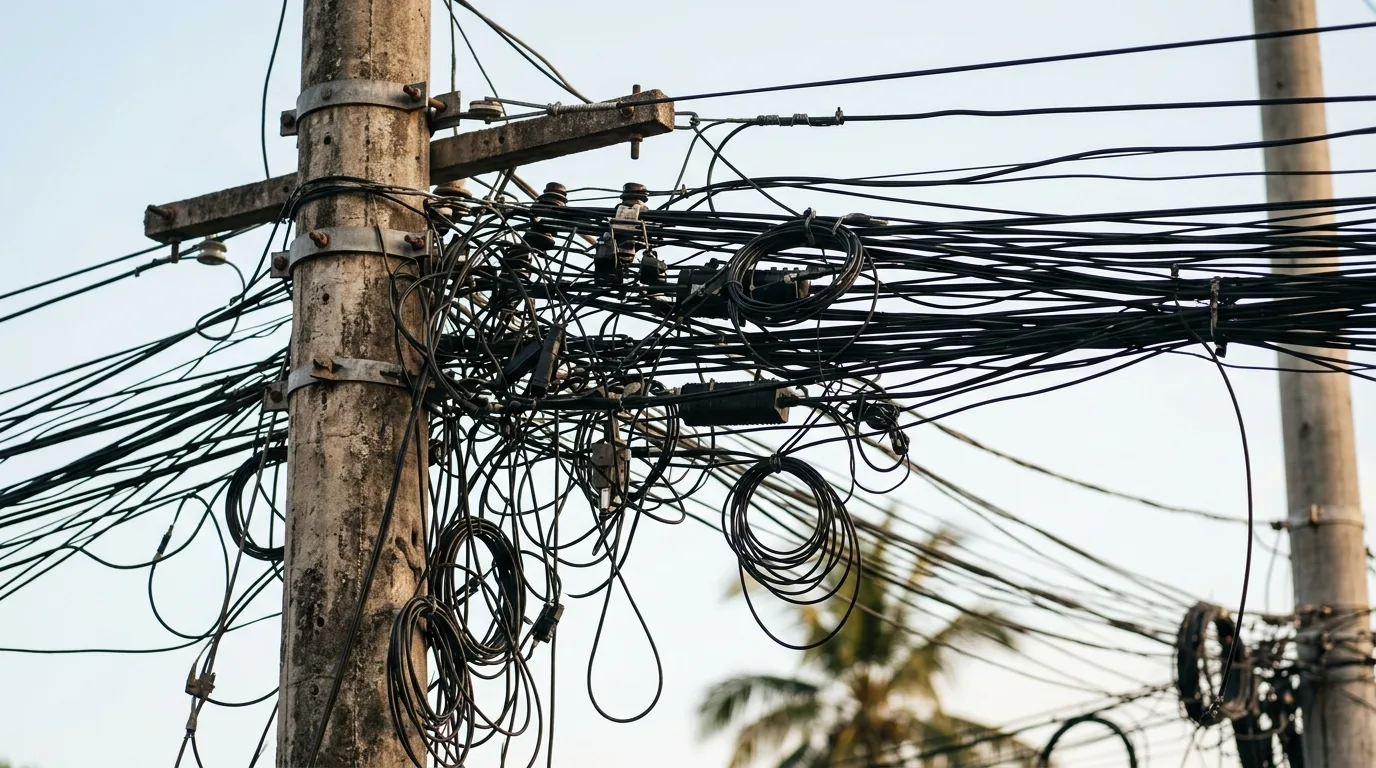
CEBU CITY — Mayor Nestor Archival sat down with Visayan Electric Company (VECO) officials on July 3, 2026 to tackle a long-standing eyesore and safety hazard: the tangled “spaghetti wires” draped across the city’s streets. The meeting focused on planning the removal of these overhead cables and advancing a proposed underground power distribution system in strategic areas. The initiative, still in its planning phase, is expected to significantly improve the city’s visual appeal and resilience—factors that directly influence real estate values.
Tackling the Tangle That Drags Down Curb Appeal
Overhead utility lines have long been a source of frustration for residents and a deterrent for potential investors. The web of sagging wires obscures historic building facades, clutters the skyline, and poses safety risks during typhoons. The mayor and VECO representatives acknowledged that cleaning up this visual chaos is a critical first step toward elevating Cebu City’s urban image.
The meeting focused on two complementary approaches. The immediate priority is an accelerated “spaghetti wire” eradication and bundling campaign, which will remove dead or illegally dangling cables. Simultaneously, both parties are studying a more ambitious, long-term conversion of overhead power and telecom lines into an underground distribution system.
A Collaborative Blueprint for Smarter Infrastructure
The July 3 session was not a signing ceremony but a working meeting to align timelines and resolve technical hurdles. VECO, the country’s second-largest distribution utility, committed to providing engineering data and cost estimates for the underground transition. Telecom firms and internet service providers will also be brought to the table, as their cables are part of the aerial clutter.
Mayor Archival emphasized that these upgrades are essential investments in public safety and long-term development. He noted that an underground system would protect the power grid from typhoons, earthquakes, and extreme weather, minimizing outages and property damage. The mayor’s vision aligns with his broader goal of a “Sustainable, Smart, and Inclusive Cebu City.”
From Planning to Pavement: The Road Ahead
This is not the first time Cebu City has attempted to bury its utility lines. City Ordinance 1894, passed in 2001, originally mandated a 10-year transition, but financial and logistical challenges stalled progress. A 2019 ordinance reaffirmed the requirement, and the current administration is now using the Local Government Code’s General Welfare Clause to push the project forward.
The planning phase will involve comprehensive technical surveys to determine which streets are best suited for underground conversion. For areas where digging is not immediately feasible, utilities will be required to adopt strict color-coding and bundling protocols. This phased approach ensures that construction disruptions are minimized and that power supply remains stable during the transition.
The Real Estate Dividend of Cleaner Streets
For property owners and developers, the removal of unsightly cables is a tangible upgrade. Overhead wire removal enhances streetscape appeal, which can lift commercial rents and residential property values, especially in heritage and business districts. A cleaner, more resilient utility network also makes Cebu City a more attractive destination for high-end residential and mixed-use investments.
Underground power lines eliminate the risk of storm-related outages, a selling point for developments in a typhoon-prone region. The mayor’s push for a smarter grid therefore doubles as an economic strategy. As the planning progresses, real estate stakeholders will be closely watching how quickly the wires come down and the bulldozers move in to begin burying the city’s tangled past.