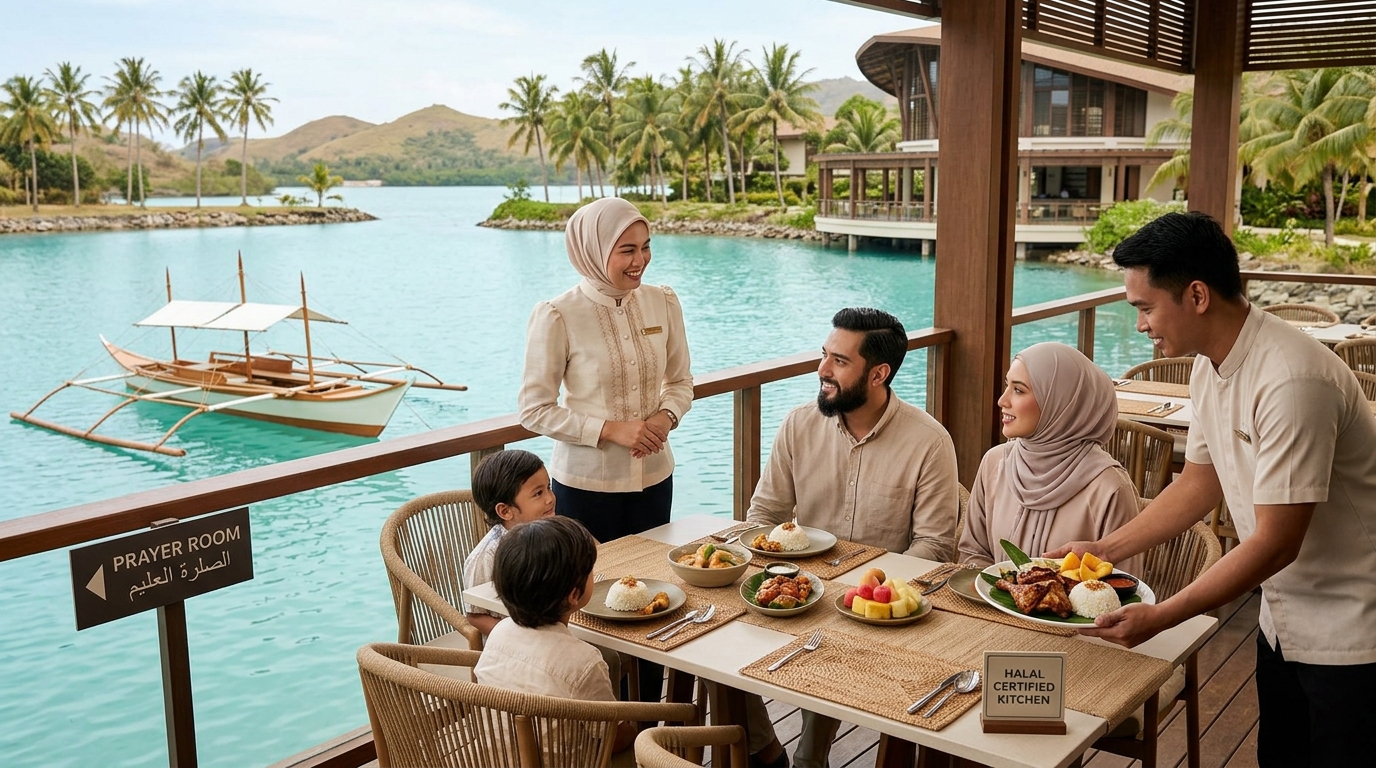
The Philippines is making waves on the global tourism stage, securing a prominent position as the fifth top non-Organization of Islamic Cooperation (OIC) Muslim-friendly destination in the highly anticipated Global Muslim Travel Index (GMTI) 2026. This significant achievement places the archipelago nation in an elite league, joining established powerhouses such as Malaysia, Qatar, Saudi Arabia, the United Arab Emirates, and Brunei. This recognition is not merely a tourism accolade; it represents a burgeoning opportunity that could reshape the economic landscape for countless Filipinos and their families.
Incorporating Faith-Based Logistics Early in the Planning Cycle
The GMTI ranking assesses destinations based on their appeal to Muslim travelers, evaluating factors like the availability of halal food, prayer facilities, and family-friendly environments. For the Philippines, this climb reflects a concerted effort to diversify its tourism offerings and embrace a broader international market. Historically, the country has been known for its pristine beaches and vibrant culture, but this new distinction highlights its growing capacity to cater to the specific needs of Muslim visitors, a demographic with significant spending power in the global travel industry. The inclusion in this top tier for 2026 underscores a forward-looking confidence in the Philippines' sustained efforts to enhance its hospitality and infrastructure for this market segment.
Driving Direct Inbound Flow and Securing Regional Service Contracts
This elevated status in the Global Muslim Travel Index is a powerful catalyst for economic growth across the Philippines. Increased tourism from Muslim-majority countries translates directly into a surge in demand for services, creating new jobs in the hospitality, food and beverage, transportation, and retail sectors. For Filipinos seeking employment, whether locally or considering returning from overseas work, this expansion could offer vital opportunities. Furthermore, it encourages foreign direct investment in tourism infrastructure, from new hotels and resorts to specialized services, further bolstering the national economy. This recognition also enhances the Philippines' global reputation as a diverse, inclusive, and welcoming destination, fostering greater cultural understanding and international goodwill.
Up-Skilling Tourism Frontliners and Launching Exclusive Multi-Modal Zones
This development signals a promising future, but it also necessitates preparedness. Filipinos, particularly those involved in or aspiring to work in the tourism sector, should recognize the growing importance of cultural sensitivity and specialized services. Opportunities will arise for training in halal food preparation and certification, Islamic hospitality practices, and multilingual services. For overseas Filipino workers (OFWs) contemplating investment or returning home, the expanding tourism sector presents viable avenues for entrepreneurship and employment. This isn't just about attracting more tourists; it's about building a more robust, diversified, and resilient economy that can provide sustainable livelihoods for Filipino families nationwide. Local communities, especially those with significant Muslim populations, stand to benefit immensely by leveraging their heritage and resources to cater to this growing market.