
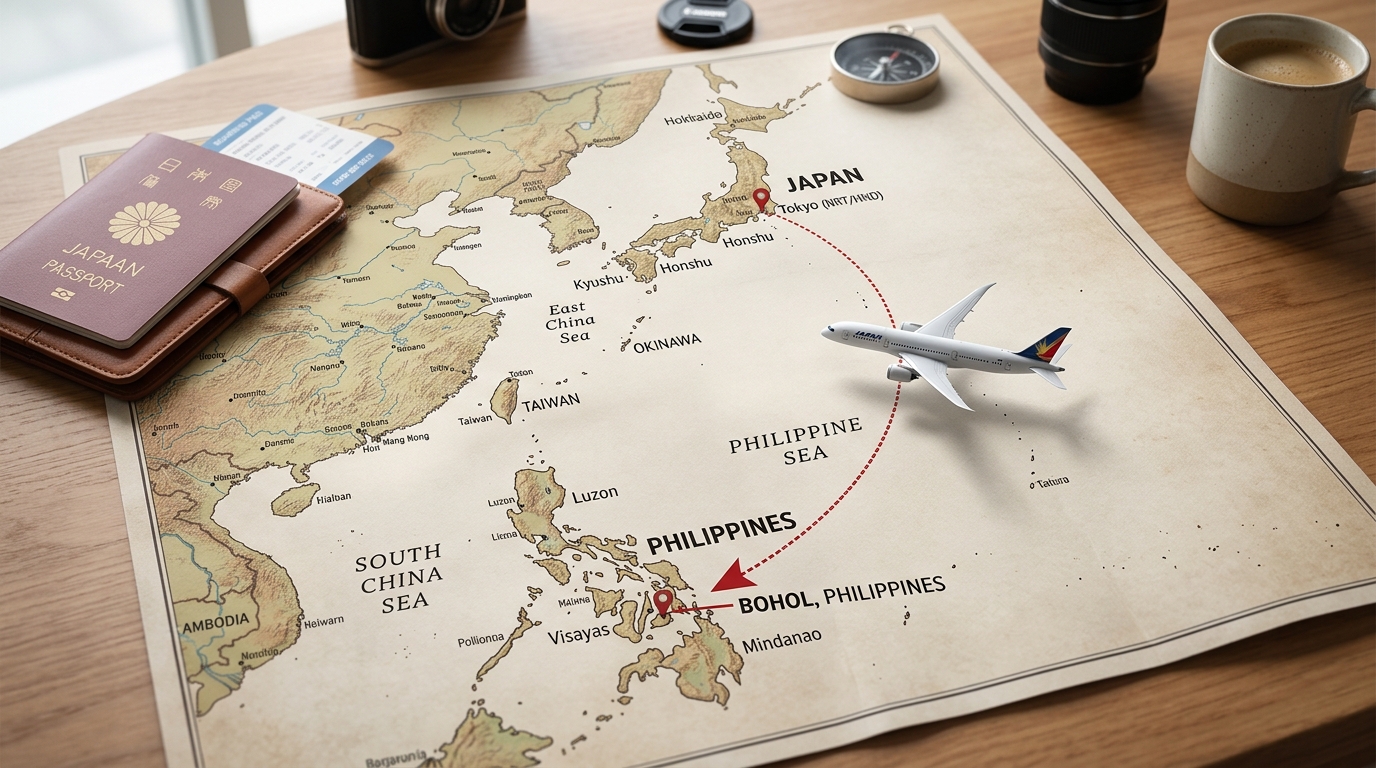
Bohol’s global tourism connectivity achieved a massive infrastructure milestone as final logistics evaluations were processed through May 15, 2026, following the successful landing of the premier direct charter flight from Narita, Japan. Managed by Aboitiz InfraCapital Bohol Airport Corp., the historic Cebu Pacific flight brought 163 high-value Japanese tourists directly to the Bohol-Panglao International Airport, entirely bypassing the usual transit stops in Manila. This development marks a major victory for the province's tourism industry, which is actively expanding its reach into Japan's affluent outbound travel market. The successful link is prompting aviation teams to explore regular, scheduled international routes to sustain this high-spending visitor stream.
Capturing the Fastest Growing East Asian Market
Regional tourism indices show that Japanese visitor arrivals to Central Visayas grew by an impressive 38 percent over the past year, reaching 337,812 visitors. This steady growth makes Japan one of the most valuable foreign markets for the province, creating a strong economic argument for building more direct international flight links. Airport operators note that removing multi-city transfers appeals directly to older Japanese travelers and family groups who prioritize speed and comfort when planning their vacations. This operational shift positions the island's high-end resorts to capture a massive share of this affluent market segment.
Elevating the Luxury Real Estate Landscape
The arrival of direct flights from major global hubs is driving substantial investment interest into Panglao's premium residential and commercial real estate markets. International developers are acquiring prime coastal lots to build luxury wellness condotels and eco-resorts designed to meet the high standards of Japanese corporate clients. Real estate appraisers note that properties located within a fifteen-minute drive of the eco-airport are experiencing steady valuation increases due to their excellent location. The modern airport infrastructure is successfully turning the surrounding countryside into an attractive destination for foreign capital.
A Boost for Specialized Heritage Gastronomy
Local hospitality groups are adapting their services to accommodate the unique preferences of Japanese travelers, integrating traditional culinary traditions with local cultural experiences. High-end dining spots are featuring curated menus that highlight local treasures like organic farm-to-table salads and the famous Asin Tibuok salt, creating a beautiful blend of cultures. The Department of Tourism is supporting this movement by conducting specialized language and cultural guiding workshops for local hospitality teams. This thorough preparation ensures that the influx of international flights translates into sustainable, long-term profits for local communities.