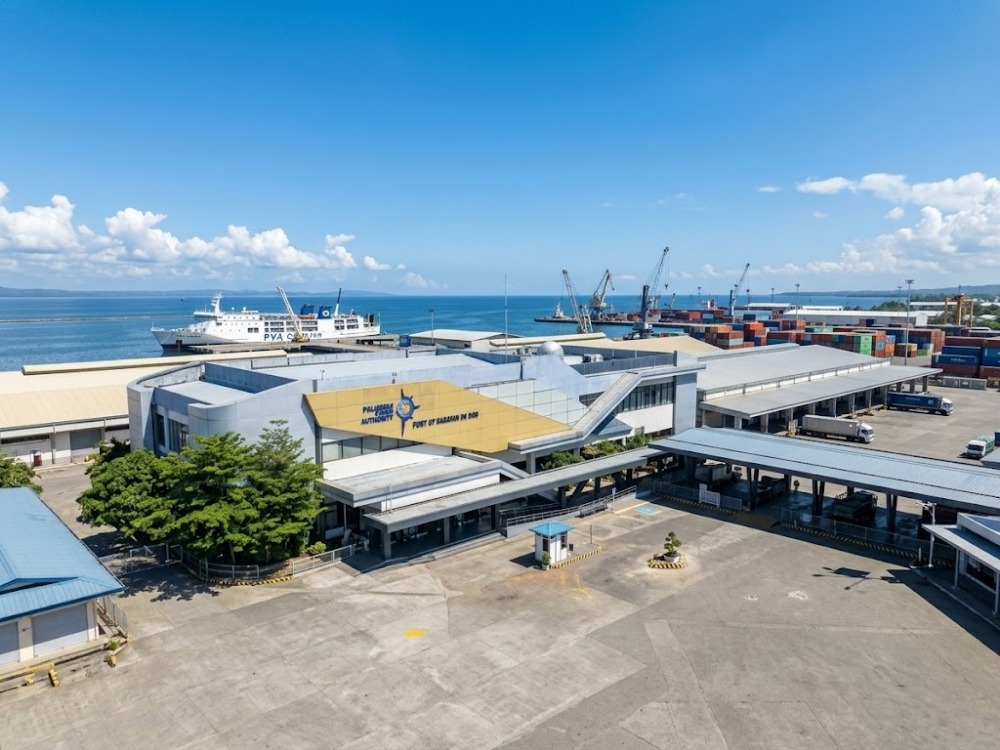
CAGAYAN DE ORO — Standing as the busiest government port in Northern Mindanao, the Port of Cagayan de Oro—widely known as Macabalan Port—serves as the primary maritime artery for the region. As the "Global Gateway to Mindanao," this vital infrastructure bridges the city to major urban centers across the Philippines, facilitating the seamless flow of both essential cargo and thousands of passengers daily.
A Modern Hub for Inter-Island Travel
The Port of Cagayan de Oro is defined by its massive, state of the art Passenger Terminal Building, which is among the largest in the Philippines. Inaugurated in 2019, the two story facility spans over 5,500 square meters and has a capacity to accommodate 3,000 passengers at any given time. The terminal prioritizes safety and convenience, offering modern amenities such as Xray baggage scanning, dedicated child care stations, ecumenical prayer rooms, and high speed wifi to ensure a smooth transition for travelers connecting to destinations like Cebu, Iloilo, Bacolod, Tagbilaran, and Manila.
The Engine of Regional Commerce
Beyond its passenger services, the port acts as a bedrock for Northern Mindanao’s economic activity, catering to a diverse range of cargo including industrial goods, agricultural products, and bulk commodities. The facility is equipped with multiple berths, extensive warehousing, and specialized container handling equipment, including gantry cranes and reach stackers. Managed by the Philippine Ports Authority, the port is both ISO-certified and ISPS-compliant, ensuring that international and domestic trade is conducted with high standards of security and operational efficiency.
Strategic Connectivity and Growth
The port’s role as an entry and exit point is bolstered by its seamless integration with the region's transport network, including major highways leading to Iligan, Butuan, and Davao. As a central node in the Philippines' nautical highway and the Roll On Roll Off transport system, it remains the most vital maritime asset in Northern Mindanao. Continuous infrastructure upgrades and expansion projects ensure that the facility can handle increasing volumes of traffic, solidifying its status as a key driver of local and regional growth.