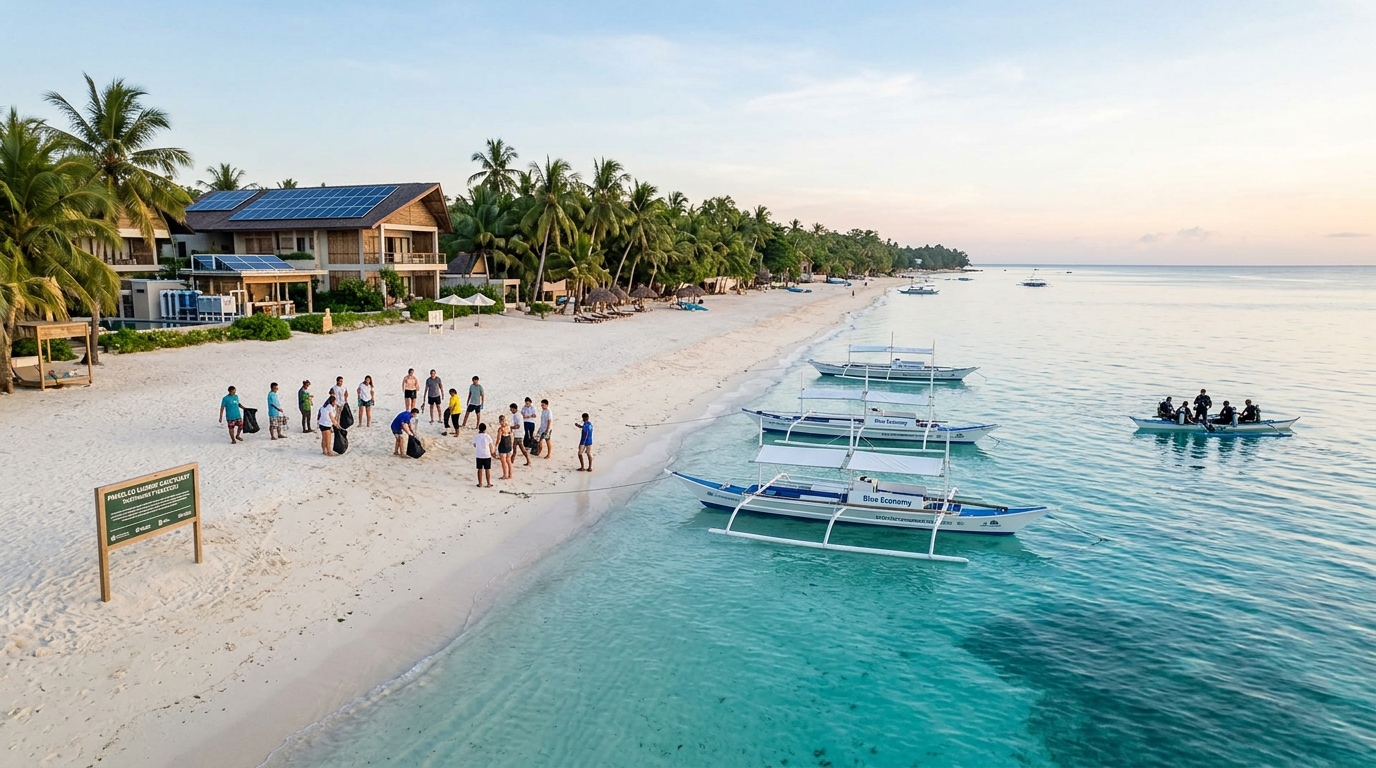
Panglao Island is currently making waves in the international travel community as a leader in "Blue Economy" tourism. As of April 21, 2026, the island has fully integrated sustainable waste management systems across all its major resorts and dive centers. This environmental commitment has resulted in clearer waters and a visible resurgence of marine life in the surrounding coral reefs. Travelers visiting this week are experiencing a cleaner, more vibrant version of the island than ever before.
The Restoration of Alona Beach
Alona Beach has undergone a significant transformation, with new shoreline regulations effectively reclaiming the sand for public and natural use. As of late April, the beachfront is clearer of debris and unauthorized structures, allowing the natural beauty of the white sand to shine. Local authorities have implemented a daily beach-cleaning ritual involving both tourists and residents to foster a sense of shared responsibility. This revitalized environment has led to a 20% increase in visitor satisfaction scores in the latest 2026 surveys.
Panglao as a Premier Diving Destination
The waters surrounding Panglao are currently seeing a record number of sea turtle and dolphin sightings due to reduced noise pollution from boats. Dive shops have transitioned to electric-powered outriggers for short-distance trips to the nearby Balicasag Island sanctuary. These "silent boats" prevent scaring away marine life, offering divers a much more intimate encounter with the underwater world. The clarity of the water this week is reported to be at its five-year peak, perfect for underwater photography.
Luxury Resorts Embracing Zero Waste
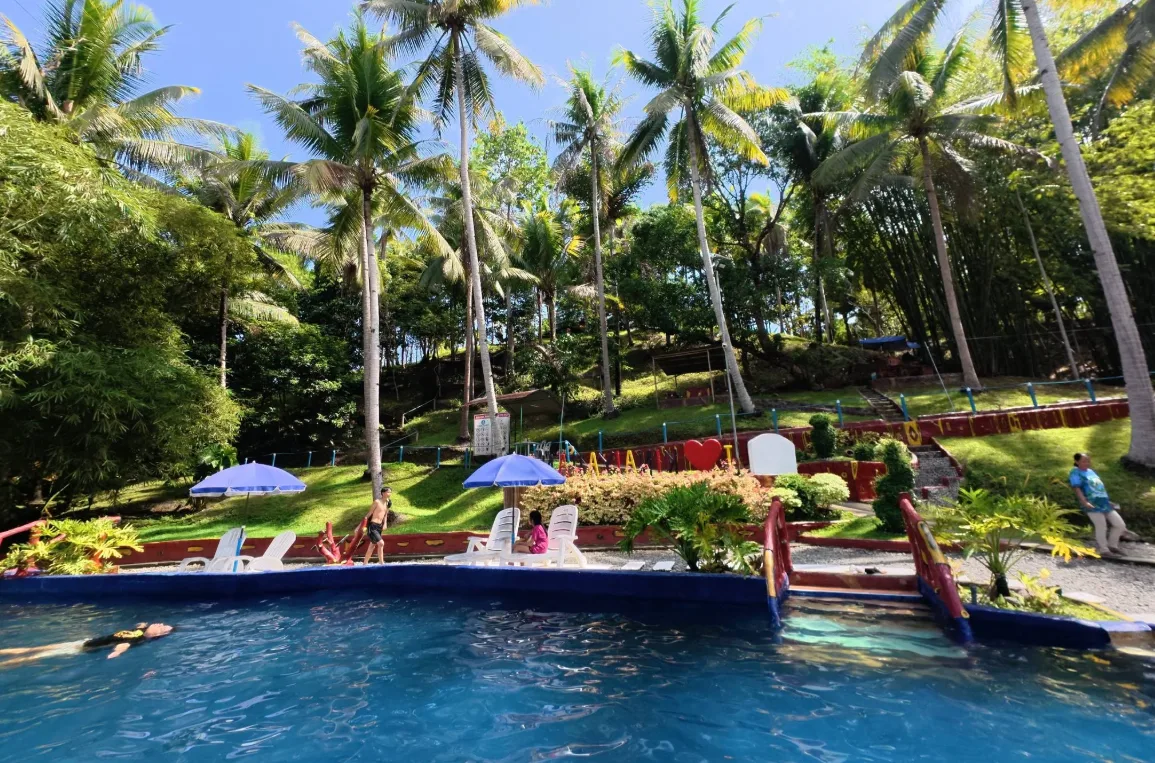
The luxury hospitality sector in Panglao is now 90% plastic-free as of the April 2026 audit. Resorts are using desalinated water systems and onsite organic gardens to reduce their carbon footprint and eliminate the need for imported goods. Guests are increasingly choosing accommodations that prioritize these eco-friendly practices, driving a shift in the local economy toward sustainability. This trend is proving that luxury and environmentalism can go hand-in-hand to create a superior travel experience.