A Celebration Where History Becomes Performance
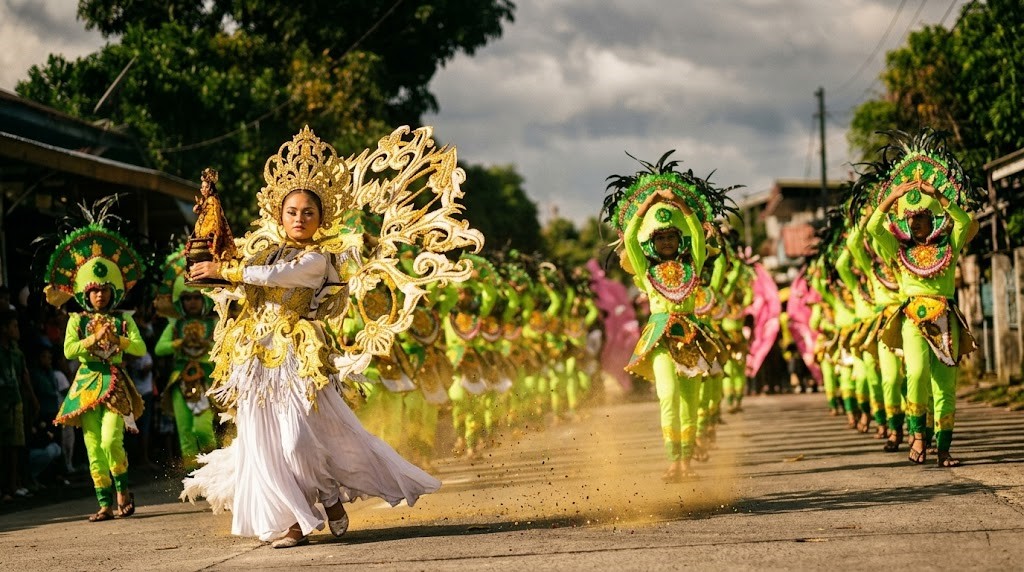
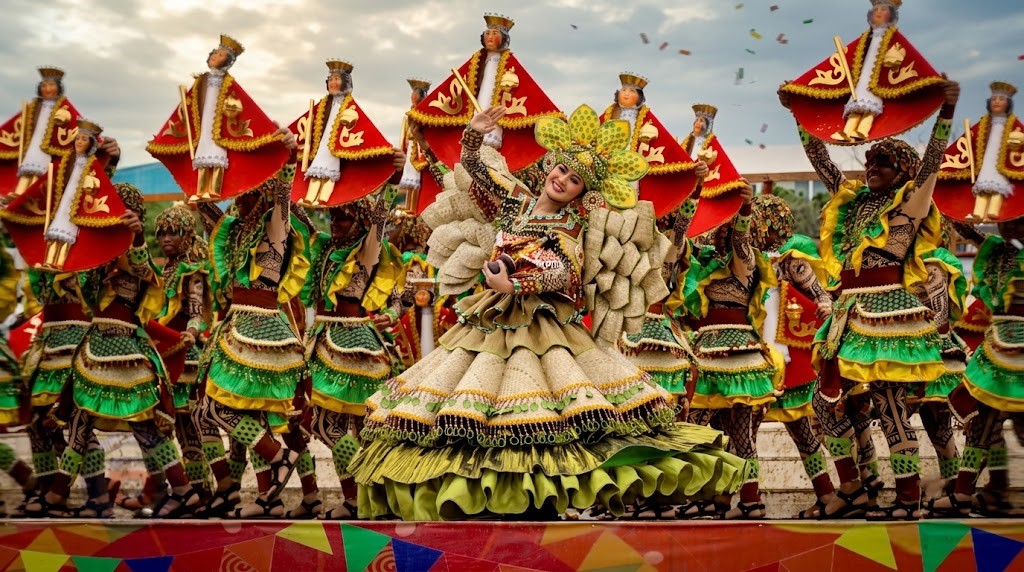
LEYTE - The Pintados-Kasadyaan Festival is one of Leyte’s most recognized cultural celebrations, bringing together traditions connected to ancient Visayan identity and religious devotion. The festival highlights the historical image of the Pintados, a name associated with tattooed Visayan communities observed during the Spanish period. Performers use body paint, costumes, music, and choreography to represent stories from the region’s past. Rather than simply presenting history inside museums, the celebration allows visitors to experience heritage through public performances and artistic expression. This makes the festival feel alive, dynamic, and deeply rooted in local memory. It also gives younger generations a way to see history in a form that is colorful and easy to connect with.
Tacloban’s Streets Become a Living Cultural Space
Held in Tacloban City, the festival gathers different communities from Leyte to showcase their own local stories and traditions. The Kasadyaan portion highlights various festivals and cultural expressions from municipalities across the province. Each presentation carries elements of folklore, faith, and local pride. This creates a broader picture of Leyte as a province with many traditions connected through shared history. The streets and public spaces become part of the celebration itself, turning the city into a shared cultural venue. For visitors, this atmosphere offers a rare chance to see how a community can transform everyday spaces into something festive and meaningful.
Why Visitors Continue to Seek Cultural Experiences Like This
Cultural festivals such as Pintados-Kasadyaan provide travelers a different way of discovering Leyte beyond landscapes and attractions. The event introduces visitors to the creativity, beliefs, and historical memories that shape the province. In 2026, the festival remains a major cultural reference point for understanding Leyte’s identity. It shows how traditions continue through generations by allowing communities to actively participate in preserving their stories. For many people, that sense of continuity is what makes the experience memorable long after the celebration ends. It is not only a festival to watch, but a tradition that helps explain the spirit of the place.