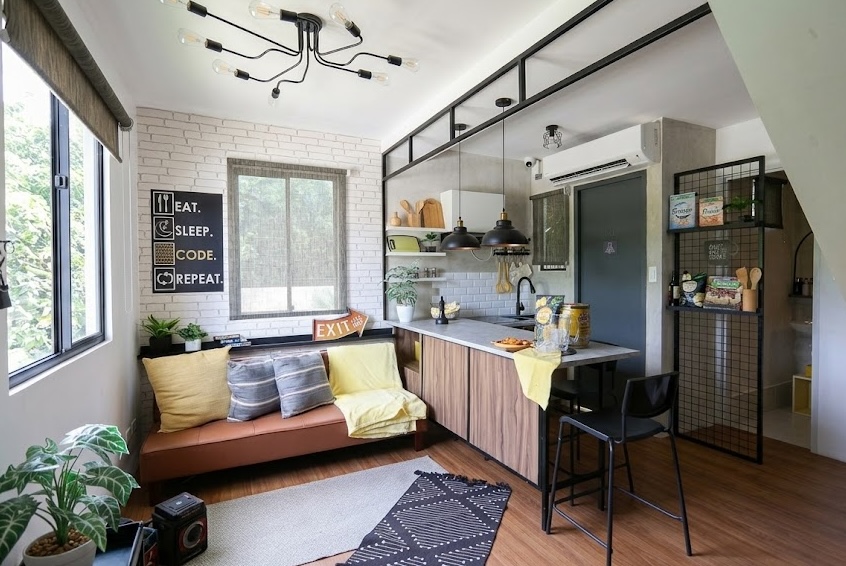
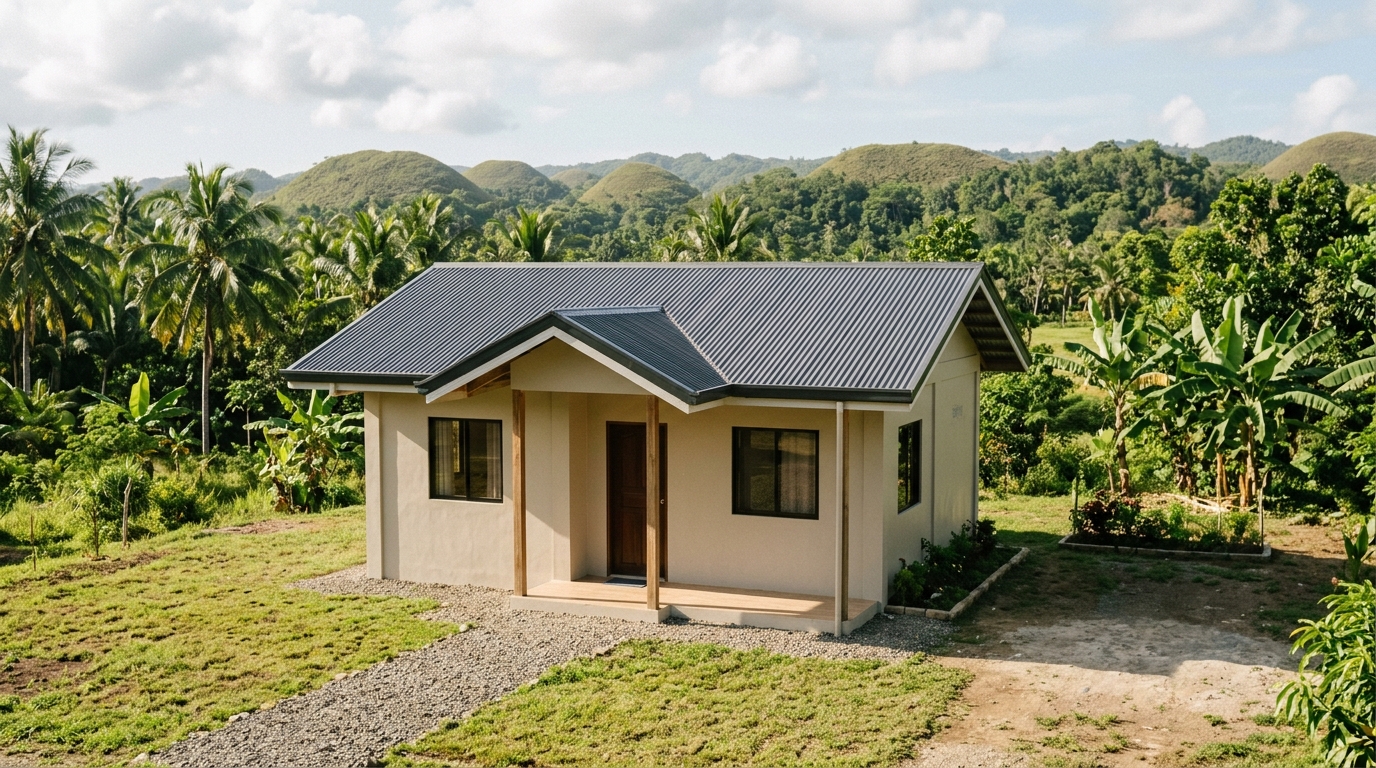
Bohol — A wedding ceremony in the upland municipality of Sierra Bullones became an unusual focus of provincial social policy this Friday, May 15, 2026. During the marriage ceremony of a local couple from Barangay San Isidro, provincial officials completed the formal turnover of a newly constructed residential house. This property marks the 118th completed structure under the "Balay sa Paglaum" (House of Hope) initiative, a program funded directly through a partnership between private volunteer donors and the Bohol Provincial Police Office. This model represents a departure from traditional state-funded welfare by turning low-cost housing development into a community-led volunteer project.
A Police Force Built for Construction
The participation of the Bohol Police Provincial Office extends far beyond basic security; officers are actively deployed as carpentry and masonry laborers during their civic duty rotations. This unusual arrangement has drastically reduced the labor overhead of the housing project, allowing available funds to be spent entirely on high-grade building materials. Local town leaders note that this continuous physical presence has significantly improved the relationship between rural communities and law enforcement. It turns an ordinary security force into an active asset for rural infrastructure development.
The Economics of Micro-Housing Grants
The construction of these homes relies heavily on a cooperative supply chain where local hardware stores provide materials at cost, and municipal engineers volunteer their time to sign off on structural safety. By bypassing commercial contractors, the project demonstrates that dignified housing can be delivered at a fraction of standard government expenditure. This decentralized development approach is catching the attention of other Visayan provinces looking to address rural poverty without inflating public debt. It proves that localized, small-scale construction can fill the gaps left by massive state infrastructure delays.
Transforming the Agrarian Lifestyle
For rural beneficiaries who work primarily in small-scale agriculture, receiving a secure concrete home provides a massive permanent upgrade to their family stability. These structures are designed with storm-resistant roofing and basic rainwater filtration systems to withstand the changing weather patterns of the central highlands. It allows families to allocate their limited farming income toward crop technology and education rather than continuous house repairs. This intervention is subtly reshaping the economic resilience of Bohol's interior towns.