The Sangguniang Panlalawigan of Bohol moved swiftly during its regular legislative session on Monday, May 18, 2026, to protect the province's traditional manufacturing sectors from complex environmental bureaucracies. Led by Board Member Greg Jala and Committee Chair Tita Baja-Gallantes, the provincial board recommended the immediate establishment of a specialized Environmental Management Bureau (EMB) satellite office directly inside the Tagbilaran Provincial Capitol. The targeted legislative measure aims to simplify the expensive and confusing environmental compliance processes that frequently hinder small-scale local furniture makers and woodcrafters spread across interior agricultural towns. By bringing regulatory oversight down to the local level, the province is transforming how it supports small businesses navigating strict national environmental standards.
Eliminating Bureaucratic Friction for Traditional Upland Workshops
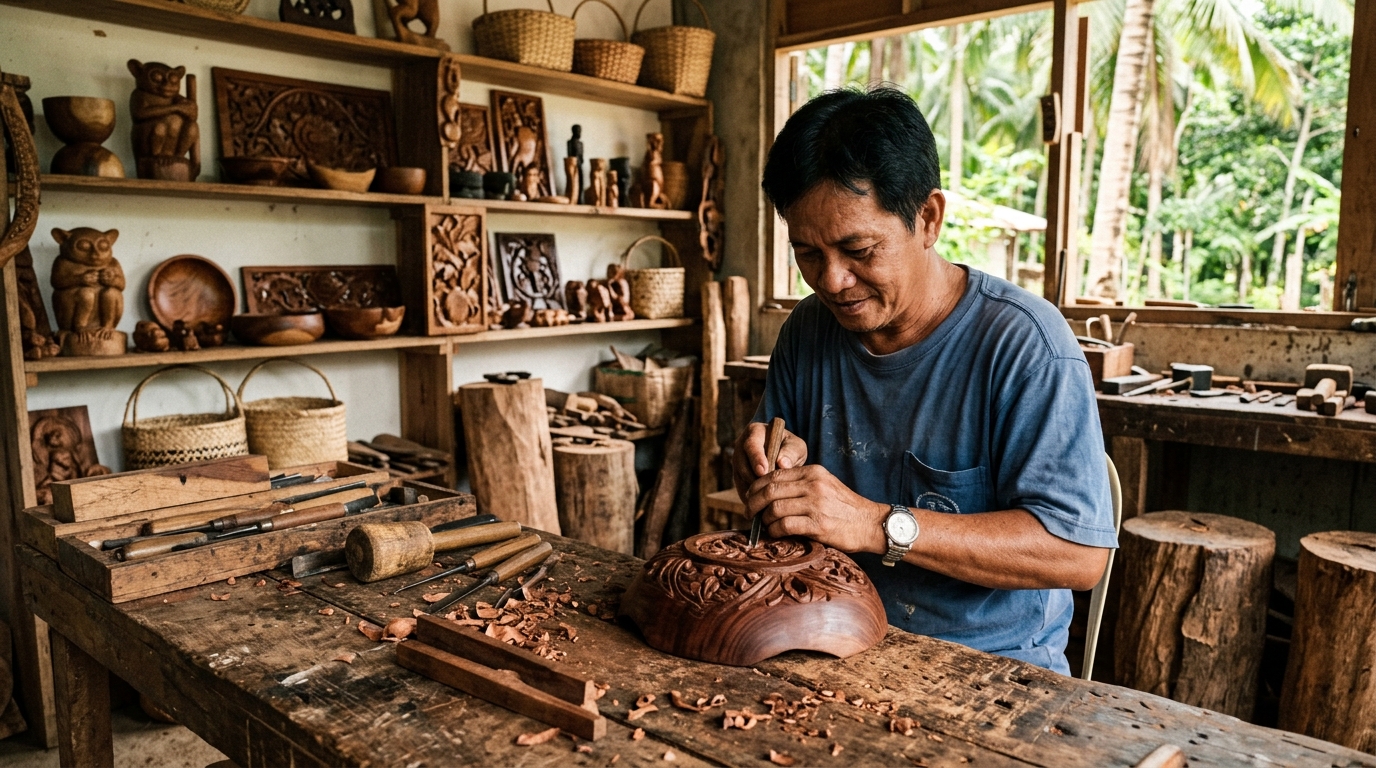
The creation of the centralized regulatory kiosk resolves a major financial challenge for independent furniture workshops operating outside the capital city. Previously, small-scale micro, small, and medium enterprises (MSMEs) had to spend significant family funds traveling to regional administrative offices just to file simple clearance papers and land utilization reports. Bringing certified environmental officers directly to the capitol campus allows small business owners to resolve licensing inquiries and complete mandatory registrations in a single visit. This reduction in administrative friction encourages informal village workshops to step into the formal economy, securing legal protections that allow them to expand their operations safely. The initiative shows that environmental monitoring can be highly supportive rather than purely punitive.
Localizing the One Town, One Product Manufacturing Chain
The legislative push operates alongside an expansive product development campaign aimed at upgrading the quality metrics of local furniture designs under the national One Town, One Product framework. The Provincial Cooperative Development Office is running technical training labs to teach traditional artisans how to combine sustainable timber sourcing with modern, high-value consumer design trends. Ensuring that local manufacturers have easy access to legal environmental clearances makes it easier for them to supply high-end luxury resorts along the Panglao coast. This direct business link keeps tourism revenues circulating inside the province, transforming raw countryside materials into valuable, long-term craft assets. The program demonstrates a smart way to revitalize interior economies.
Forming a Dedicated Compliance Task Force for Sustainable Woods
To ensure long-term success, Vice Governor Dionisio Victor Balite announced plans to form a multi-agency Provincial Compliance Task Force to guide family-owned workshops through complex raw material tracking procedures. This task force will provide free legal and technical assessments, helping local carpenters ensure that all timbers are sourced from officially accredited sustainable tree farms. Preventing illegal logging while keeping business permits affordable helps the province preserve its fragile forest cover without destroying valuable rural manufacturing jobs. Other visayan island councils are studying this supportive compliance model to adapt it for their own local craft industries before the end of the quarter. Bohol continues to show excellent progress in balancing ecological care with active commercial survival.