
TAGBILARAN CITY, BOHOL — The National Irrigation Administration is accelerating the deployment of solar-powered irrigation systems across Bohol, a move designed to protect the province's agricultural economy from the growing threat of water scarcity. As surface water sources begin to dry up ahead of the dry season, NIA is promoting solar technology as a practical solution for remote farm areas. The shift aims to expand irrigation coverage to nearly 70,000 hectares of farmland that currently lack reliable water access.
NIA Engineering and Construction Operations Systems Chief Evaristo Borja said underground water sources remain viable even when surface sources disappear, making solar-powered pumping systems ideal. "Solar irrigation allows us to reach areas that conventional systems cannot," he said. The technology uses solar energy to power pumps that draw water from rivers, ponds, reservoirs, or underground sources, channeling it to farms through storage tanks, drip lines, or canals. This reduces dependence on expensive diesel generators and grid electricity.
A Model Farm That Proves the Concept
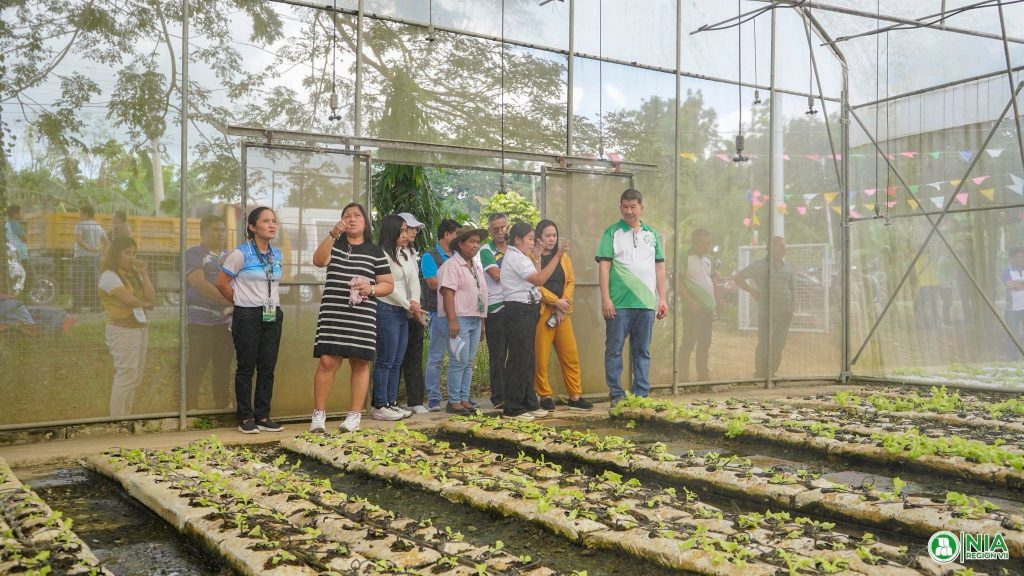
The agency's push builds on the success of the Malinao Drip Irrigation Model Farm in Pilar, a two-hectare demonstration site turned over to the Bohol Integrated Irrigation System on January 23, 2026. The facility uses solar energy to power a drip irrigation network for vegetable, herb, and mushroom production. It serves as a template for climate-resilient farming that local farmers can replicate.
The model farm demonstrates the economic viability of solar irrigation. By eliminating fuel costs and reducing labor, it improves farm profitability while insulating agricultural output from erratic weather. Borja emphasized that such projects are vital for maintaining stable food supply chains and protecting the livelihoods of farming communities. The success of the Pilar site is now informing NIA's broader rollout strategy.
Expanding Coverage to Unlock Economic Potential
Bohol currently has approximately 30,300 hectares of farmland under irrigation through the Bohol Irrigation System and BIIS, out of an estimated 104,000 hectares of potential irrigable land. The existing systems include major dams at Malinao, Bayongan, and Capayas, along with several smaller reservoir systems. Despite this infrastructure, roughly 70,000 hectares remain without coverage.
Solar irrigation offers a cost-effective path to closing that gap. By tapping into underground water and renewable energy, NIA can extend coverage to previously unreachable areas, boosting agricultural productivity and creating new economic opportunities. For a province where agriculture remains a cornerstone of the local economy, the expansion of irrigation directly translates into higher yields, increased farm incomes, and greater resilience against climate shocks. The initiative aligns with national efforts to modernize agriculture and secure food supply chains.