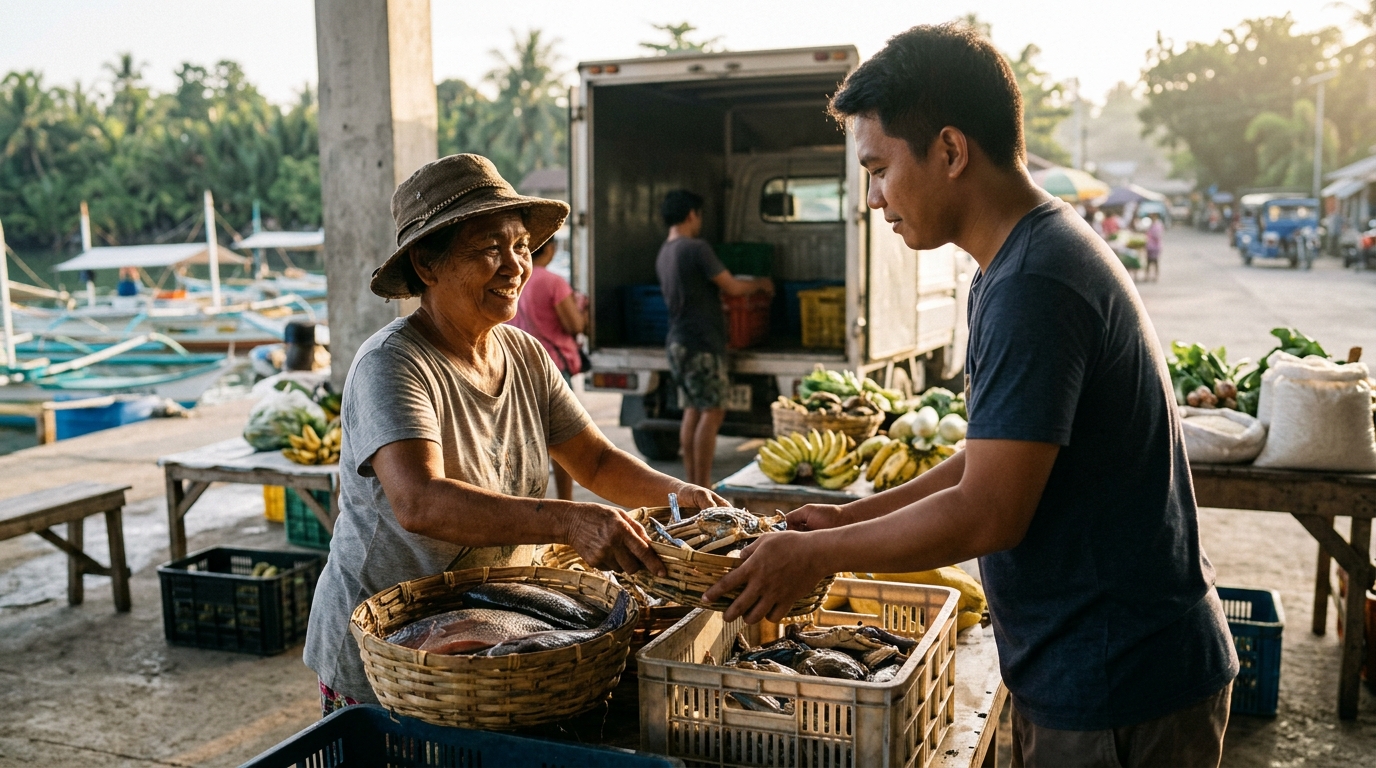
Bohol — In a major push to stabilize food prices, regional leaders in Central Visayas, including those in Bohol, are forming a dedicated working group to tackle inefficiencies in the food supply chain. During a recent regional committee meeting, officials identified that reliance on middlemen and complex shipping routes is contributing significantly to the high cost of goods in the province. The proposed strategy aims to cut out unnecessary intermediaries and source fish, seafood, and agricultural products directly from producers. This move is expected to alleviate some of the cost pressures on local businesses and households, ensuring that families have more reliable access to essential supplies.
Mapping the Bottlenecks
The primary goal of the new working group is to perform a detailed audit of existing shipping and distribution routes for essential food products. By identifying where the bottlenecks occur, officials hope to pinpoint exactly where price markups are being artificially imposed. This data-driven approach is essential for understanding how local markets operate and why consumers are seeing such volatility in their grocery bills. The strategy focuses on transparency, ensuring that the movement of food from the source to the market shelf is clear, traceable, and efficient.
Strengthening Direct Links
A major objective of this initiative is to connect local retailers and restaurateurs directly with food producers, bypassing the layers of traders that currently drive up costs. This "farm-to-market" focus is expected to benefit both the producer, who can earn more, and the consumer, who will pay less for their daily needs. By fostering these direct relationships, the province hopes to create a more resilient supply chain that is less susceptible to market manipulation. This effort to break the grip of monopolies is a key step toward making essential food items more affordable for every Boholano family.
Economic Stability for Businesses
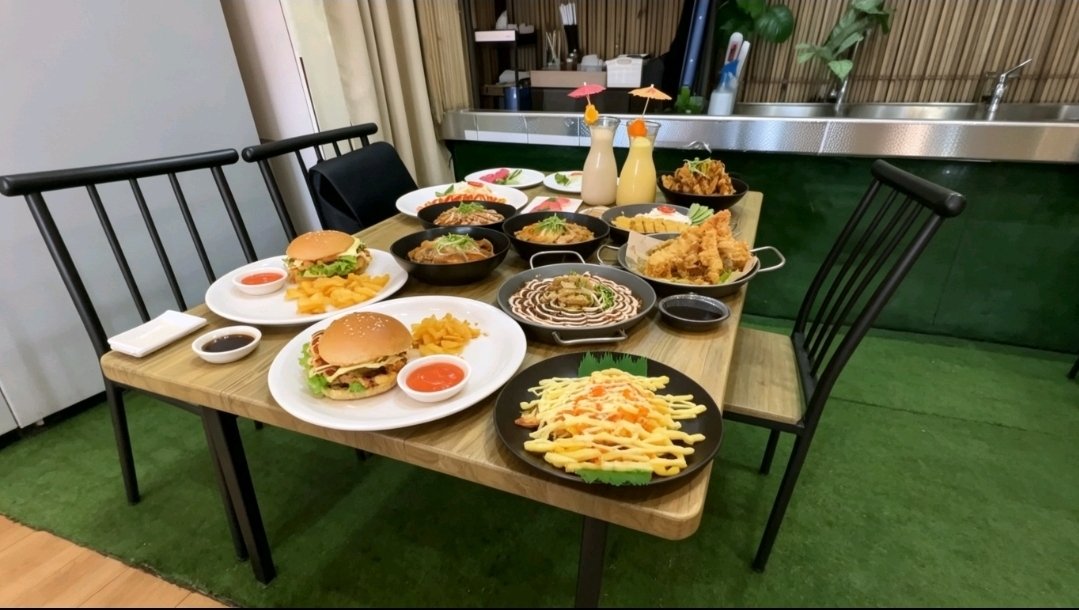
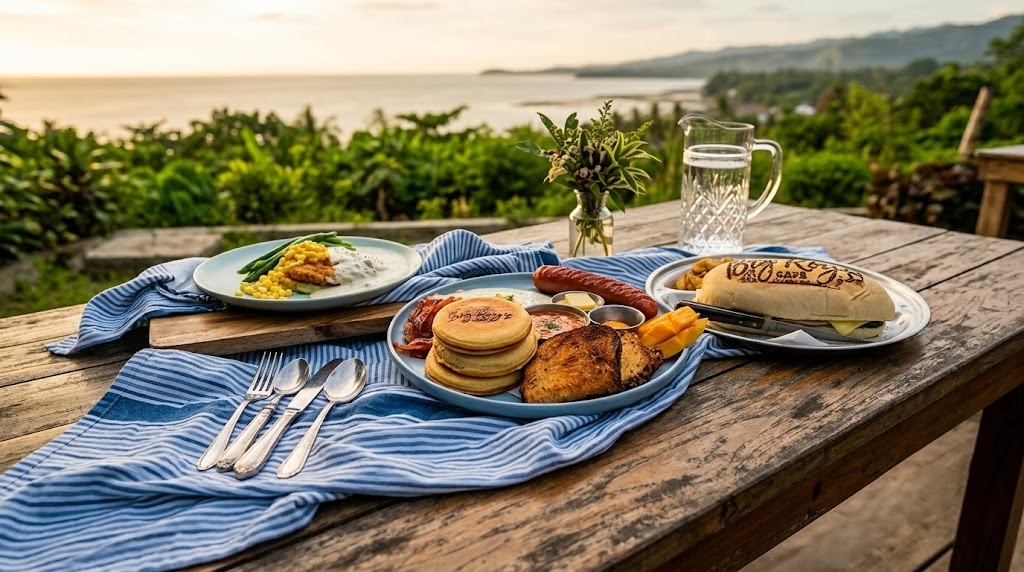
For the local dining and tourism sectors, more stable and affordable food costs are a welcome development that will help maintain competitiveness. High operational costs have been a major hurdle for many restaurants, and this crackdown on market inefficiencies is a direct form of relief. By working together at a regional level, the provinces are taking a proactive stance on inflation, demonstrating that local government can play a significant role in improving the daily cost of living. This commitment to policy-based support shows that the administration is listening to the concerns of both businesses and everyday consumers.