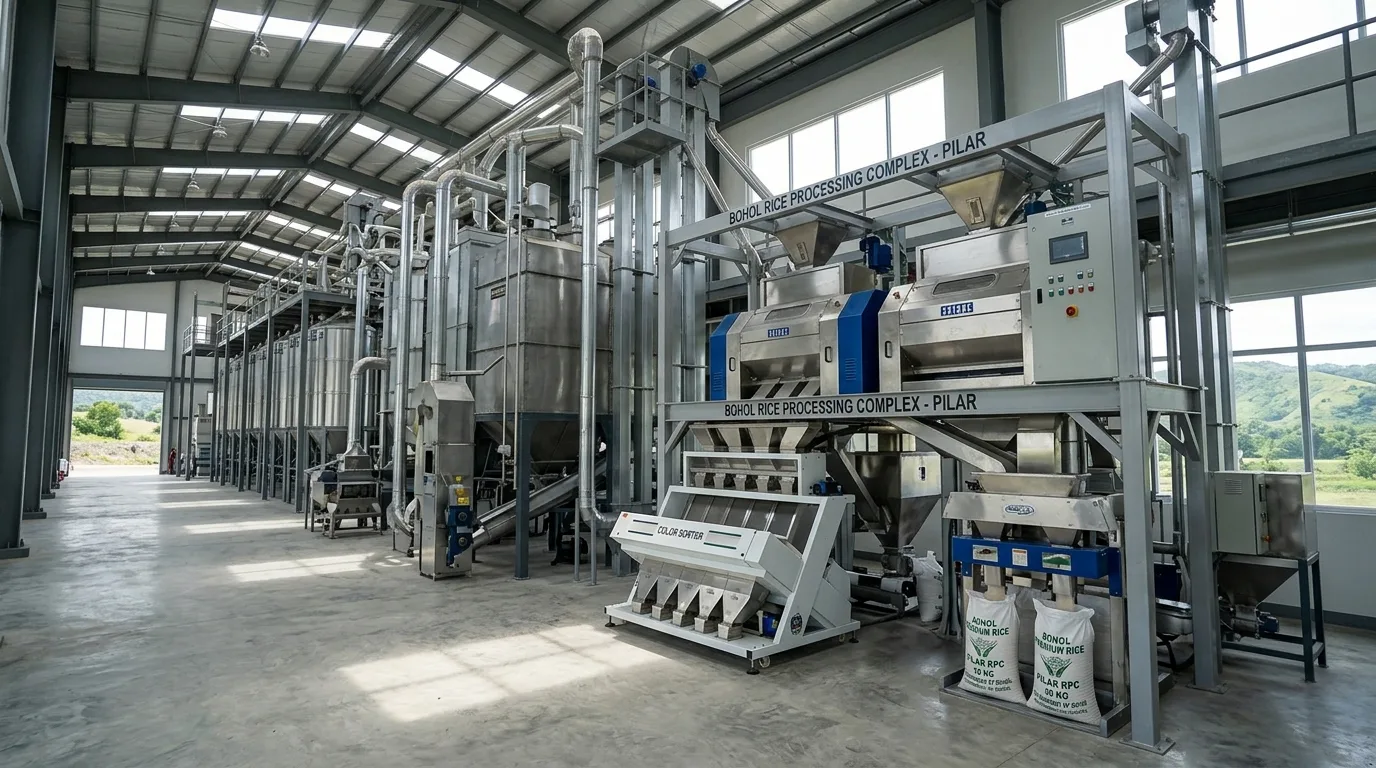
Bohol — The Provincial Government of Bohol, under the decisive leadership of Governor Aris Aumentado, is making significant strides in its quest to bolster local food security and agricultural resilience. On July 2, 2026, the Bohol Rice Processing Complex (RPC) Board convened at the New Provincial Capitol to finalize plans for the rehabilitation and operational revitalization of the Korea International Cooperation Agency (KOICA)-funded facility in Pilar. As the facility’s restoration nears its conclusion, the provincial government is moving swiftly to transition the complex into a fully functional hub that promises to redefine postharvest efficiency for the island's rice farmers.
Strategic Management for Long-Term Impact
To ensure the facility’s long-term sustainability and operational success, the Board officially approved the establishment of an RPC Transition Team and a specialized Technical Working Group (TWG). This structured approach aims to professionalize the management of the complex, ensuring that it operates as a viable and self-sustaining enterprise rather than a mere government-run project. Additionally, the Board authorized the transfer of three Department of Agriculture vehicles to bolster the province’s "Sagip Saka" and Palay Buy-Back programs. These resources are critical for streamlining the logistics of rice procurement, enabling the government to support farmers directly by providing them with a fair and stable market for their harvest.
Empowering Farmers through Innovation
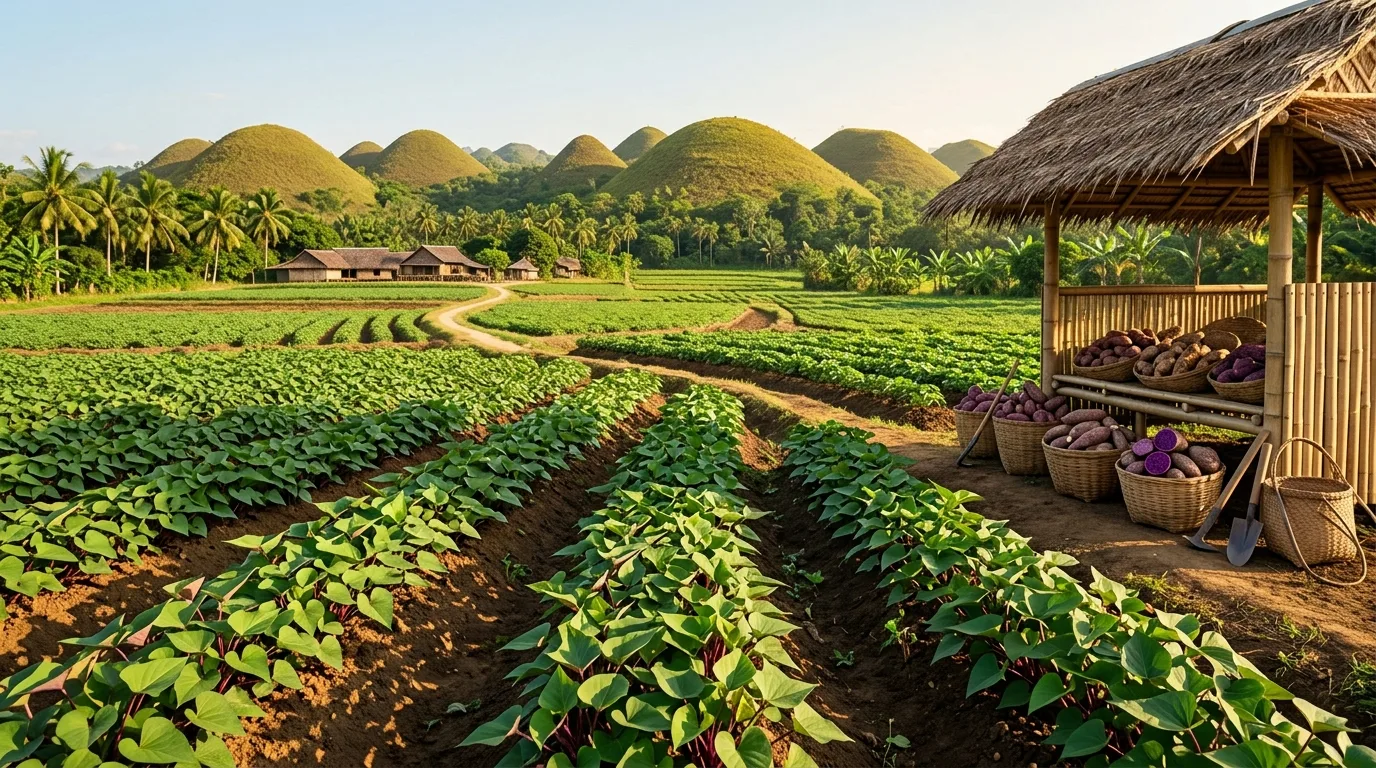
The rehabilitation of the Pilar facility is a cornerstone of the province’s commitment to modernizing its agricultural value chain. By providing state-of-the-art postharvest machinery—including advanced drying and milling equipment—the complex will significantly reduce postharvest losses, improve the overall quality of milled rice, and ultimately increase the income of Boholano farmers. This initiative is deeply aligned with the province’s identity as a UNESCO Global Geopark, reflecting a commitment to "Climate-Smart Agriculture" that integrates modern efficiency with environmental consciousness. As part of Governor Aumentado’s "Strategic Change Roadmap," the RPC serves as a vital component in transforming Bohol into a more self-reliant and resilient province, capable of feeding its people while empowering its producers.