ILOILO CITY — Officials from Iligan City toured the Iloilo Terminal Public Market recently, studying firsthand the award‑winning public‑private partnership that transformed a traditional wet market into a cultural and culinary destination. The visit underscores Iloilo’s growing reputation as a benchmark for market tourism and innovative local governance.
A Market That Welcomes the World
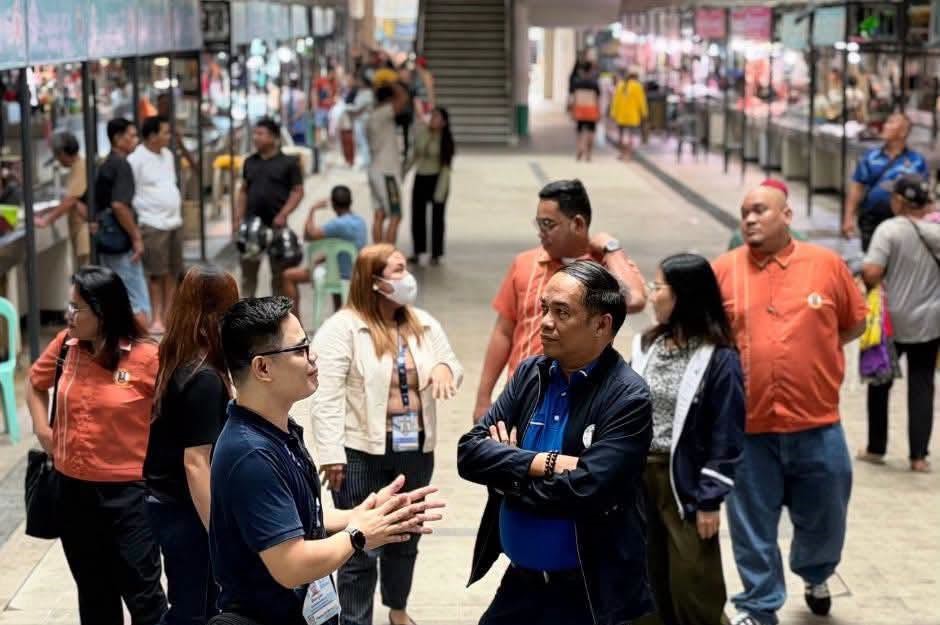
City Administrator Darwin J. Manubag led the Iligan delegation through the bustling aisles of the Terminal Market, accompanied by planning and environment officers. They observed how the modern facility seamlessly blends fresh produce stalls, native delicacy vendors, and commercial retail spaces under one roof. The tour was both an educational field trip and a testament to Iloilo’s success in turning everyday commerce into a visitor experience.
The Terminal Market now accommodates 1,160 vendors, up from 911 before redevelopment. Its clean, organized layout, roof‑deck parking, and integrated waste management have redefined what a public market can be. Tourists flock here not just to shop but to taste authentic Ilonggo cuisine at iconic spots like Madge Café.
A PPP Blueprint Without Losing the Public
The ₱3‑billion partnership between the Iloilo City Government and SM Prime Holdings, Inc. modernized both the Terminal and Central markets without privatizing them. The city retained ownership, management, and leasing rights, ensuring the markets remain accessible and affordable for local vendors and shoppers. This model is now being studied by other local governments eager to replicate its success.
The visit from Iligan City is part of a growing trend. Officials from various municipalities, along with national leaders, have made the pilgrimage to see how Iloilo balanced private investment with public good. The exchange of ideas benefits both sides, as the host city shares practical insights on project design, vendor relocation, and long‑term sustainability.
Where Tourism and Livelihood Meet
Iloilo’s markets have evolved into tourism anchors that support micro, small, and medium enterprises. Visitors arrive not merely to purchase goods but to immerse themselves in the vibrant sights, sounds, and flavors of Ilonggo daily life. The markets have become essential stops on the city’s culinary and heritage tours, boosting income for hundreds of family‑run businesses.
The city government has leveraged this appeal by opening its doors to benchmarking tours, welcoming anyone interested in the PPP framework. These visits generate positive word‑of‑mouth that further enhances Iloilo’s image as a progressive, visitor‑friendly destination. The Terminal Market itself is a living exhibit of how infrastructure investment can drive both economic growth and cultural preservation.
A Model Worth Replicating
Iligan City’s visit focused on gathering ideas for their own market redevelopment plans. The delegation saw how Iloilo transformed congested, aging structures into spacious, hygienic facilities equipped with sewage treatment plants and material recovery areas. The lessons learned will inform Iligan’s approach to modernizing its public markets while preserving their community character.
The exchange demonstrates how inter‑city cooperation can accelerate development across the Philippines. Iloilo’s willingness to share its experiences positions it not just as a tourism destination but as a mentor in public governance. As more cities adopt similar models, Filipino communities everywhere stand to benefit from safer, cleaner, and more vibrant public markets.