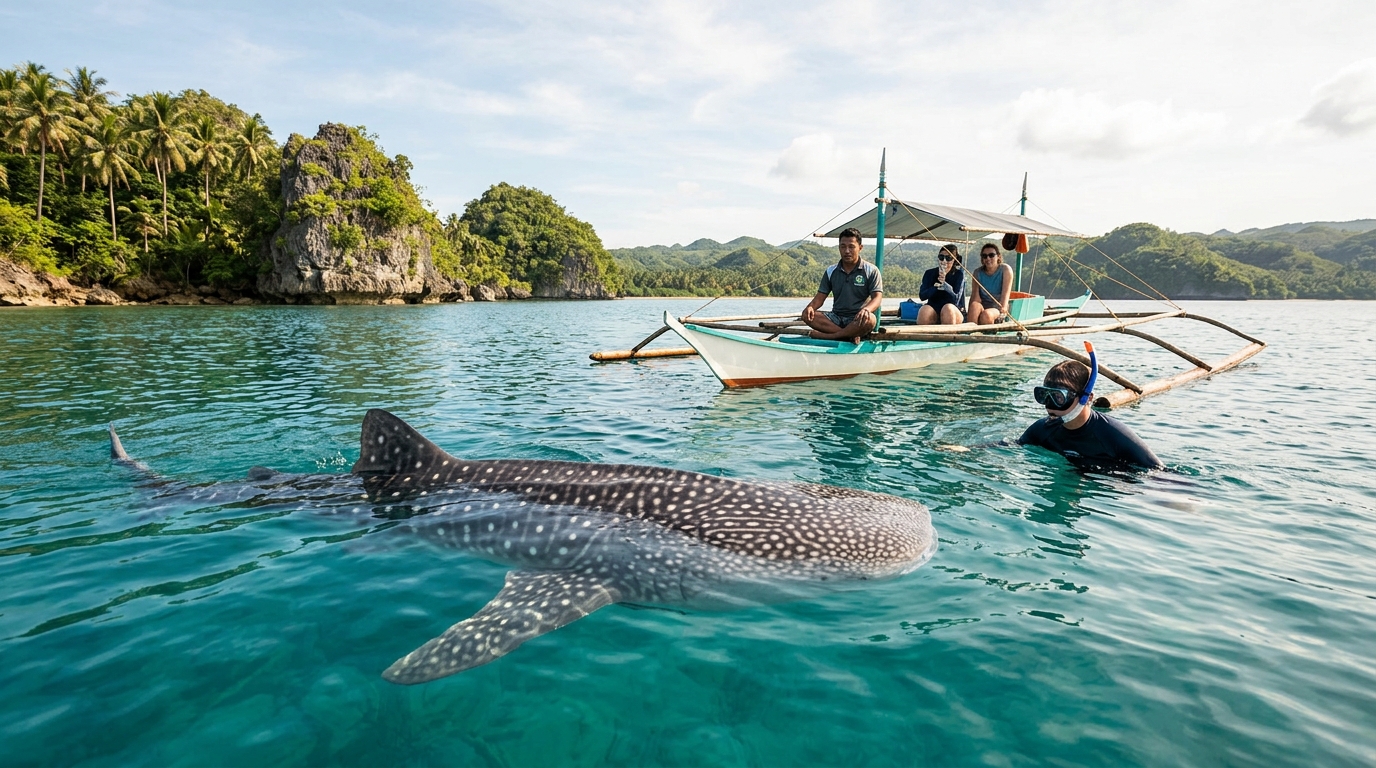
Bohol is ushering in a fresh chapter for responsible marine tourism as it officially reinstates regulated whale shark interaction experiences. Following the approval of the Implementing Rules and Regulations for the province's Enhanced Sustainable Marine Wildlife Interaction Ordinance, operators and travelers are now entering a more controlled and conservation-minded environment. This shift ensures that visitors can witness these majestic creatures while actively participating in efforts to protect the island's delicate marine ecosystems. It is a welcoming development for both nature enthusiasts and the local tourism sector, signaling a commitment to balancing visitor demand with ecological health.— The city is ushering in a fresh chapter for responsible marine tourism as it officially reinstates regulated whale shark interaction experiences. Following the approval of the Implementing Rules and Regulations for the province's Enhanced Sustainable Marine Wildlife Interaction Ordinance, operators and travelers are now entering a more controlled and conservation-minded environment. This shift ensures that visitors can witness these majestic creatures while actively participating in efforts to protect the island's delicate marine ecosystems. It is a welcoming development for both nature enthusiasts and the local tourism sector, signaling a commitment to balancing visitor demand with ecological health.
Stricter Rules for a Cleaner Future
The updated ordinance introduces rigorous protocols for operators, including strict limits on the number of boats and individuals allowed in interaction zones at any given time. These measures are designed to minimize stress on the whale sharks and prevent any disruption to their natural migration patterns within Bohol’s protected waters. By enforcing these high standards, the provincial government aims to set a new benchmark for how marine tourism can coexist with wildlife preservation. This proactive approach ensures that the encounters are not only memorable for travelers but also safe and sustainable for the animals involved.
Collaboration for Marine Health
This policy rollout is the result of extensive consultations between marine biologists, local tourism associations, and provincial policymakers who are invested in the long-term health of the region’s marine biodiversity. The rules emphasize education, requiring operators to inform guests about the importance of respecting wildlife, thereby fostering a culture of mindfulness. Such initiatives are vital for the UNESCO Global Geopark designation, which Bohol holds, as they demonstrate the province's ability to manage its natural assets responsibly. The result is a more professionalized tourism industry that views conservation as an essential component of its business model.
A Welcoming Experience for Responsible Travelers
With the reopening of these sites, visitors can expect a well-managed and meaningful encounter that prioritizes animal welfare above all else. Local operators are receiving training to ensure they can provide high-quality services that comply with the new environmental regulations. This resurgence of interest in marine wildlife serves as a positive indicator for the province's tourism industry, which continues to diversify its offerings. As these regulated experiences gain momentum, Bohol reaffirms its place as a top-tier destination for those seeking experiences that are both beautiful and ethically grounded.