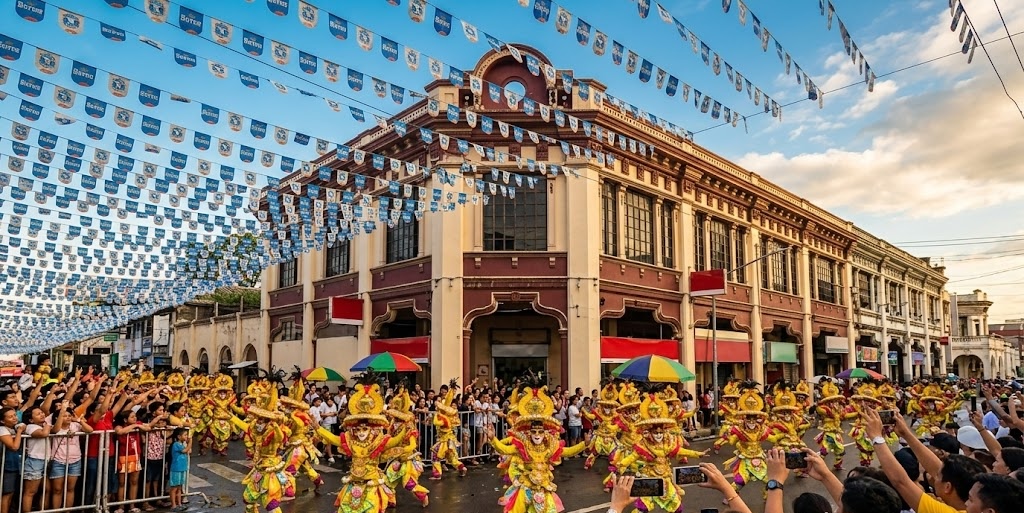
Decorations, lights, performances, and temporary food stalls dramatically change how people experience older parts of the city during festival periods. Roads designed for traffic suddenly prioritize walking, gathering, and celebration instead. Bacolod public life expands visibly during these moments. Familiar streets gain new energy. The city feels physically transformed.
Residents and visitors move through the same streets together while music, food smells, and performances overlap constantly around them. People remember specific corners and moments long after celebrations end. Bacolod festivals feel communal because public space becomes emotionally shared. Streets absorb collective memory. Atmosphere matters as much as events themselves.
Tourists who experience Bacolod during major celebrations often associate the city permanently with movement, sound, and openness afterward. Festivals reveal how strongly community interaction shapes local identity. Visitors feel pulled into the rhythm naturally. Bacolod becomes emotionally louder during celebrations. Streets become stages temporarily.