The Taste of Memories: Why Bacolod’s Handmade Sweets Remain a Cultural Treasure
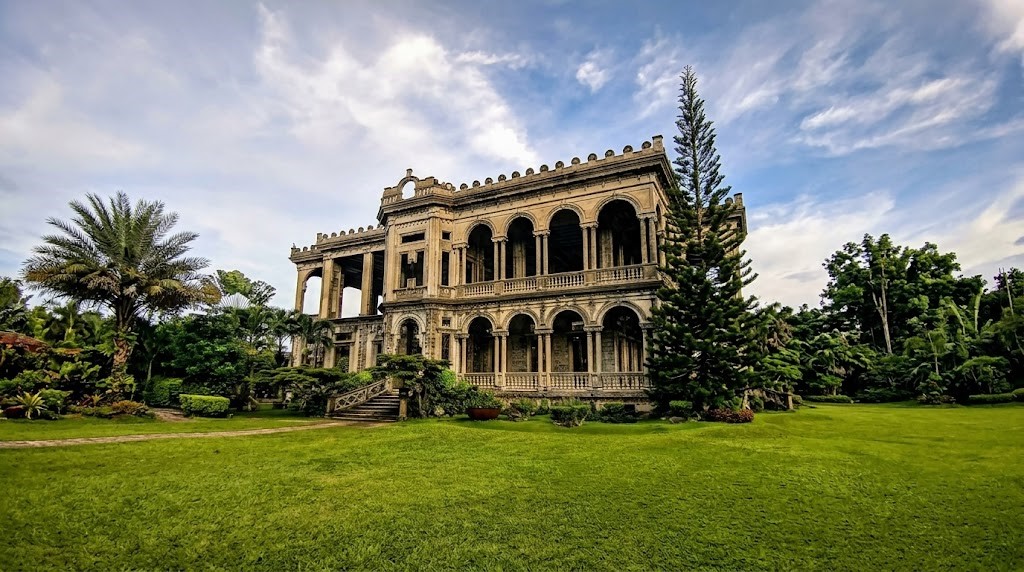
BACOLOD - pastry tradition is more than simply creating desserts; it represents the city’s relationship with creativity and local ingredients. Many sweet products associated with the city come from techniques passed through families and small businesses. From delicate baked goods to traditional confections, each item carries a story about patience, skill, and the influence of Negros’ agricultural background. The process behind these products often reflects the dedication of local makers who continue using familiar methods while adapting to modern tastes. Many businesses maintain the balance between preserving traditional flavors and introducing new ideas that appeal to younger generations. Through this approach, Bacolod’s pastry culture continues to grow without losing its connection to the past. The popularity of these sweets also shows how local food can become a representation of place. Visitors often associate Bacolod not only with famous dishes but also with the unique flavors they bring home after their trip. These products become cultural souvenirs that allow people to remember the city even after leaving.
Small Bakeries, Big Stories: The People Behind Bacolod’s Sweet Identity
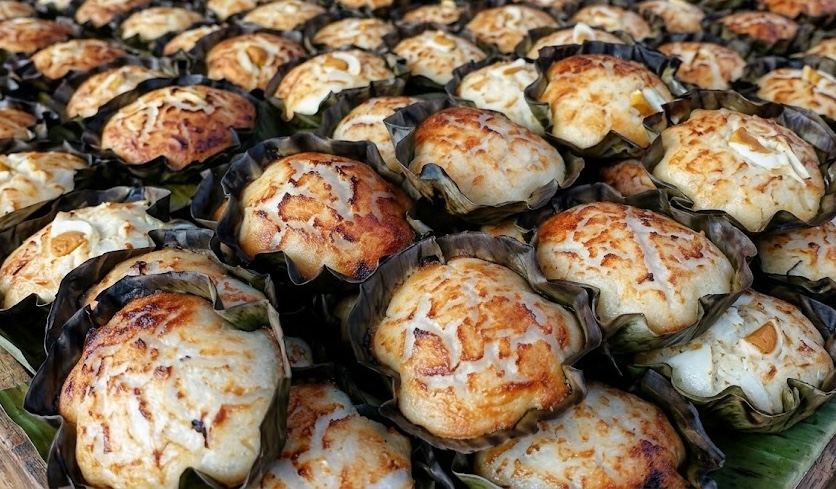
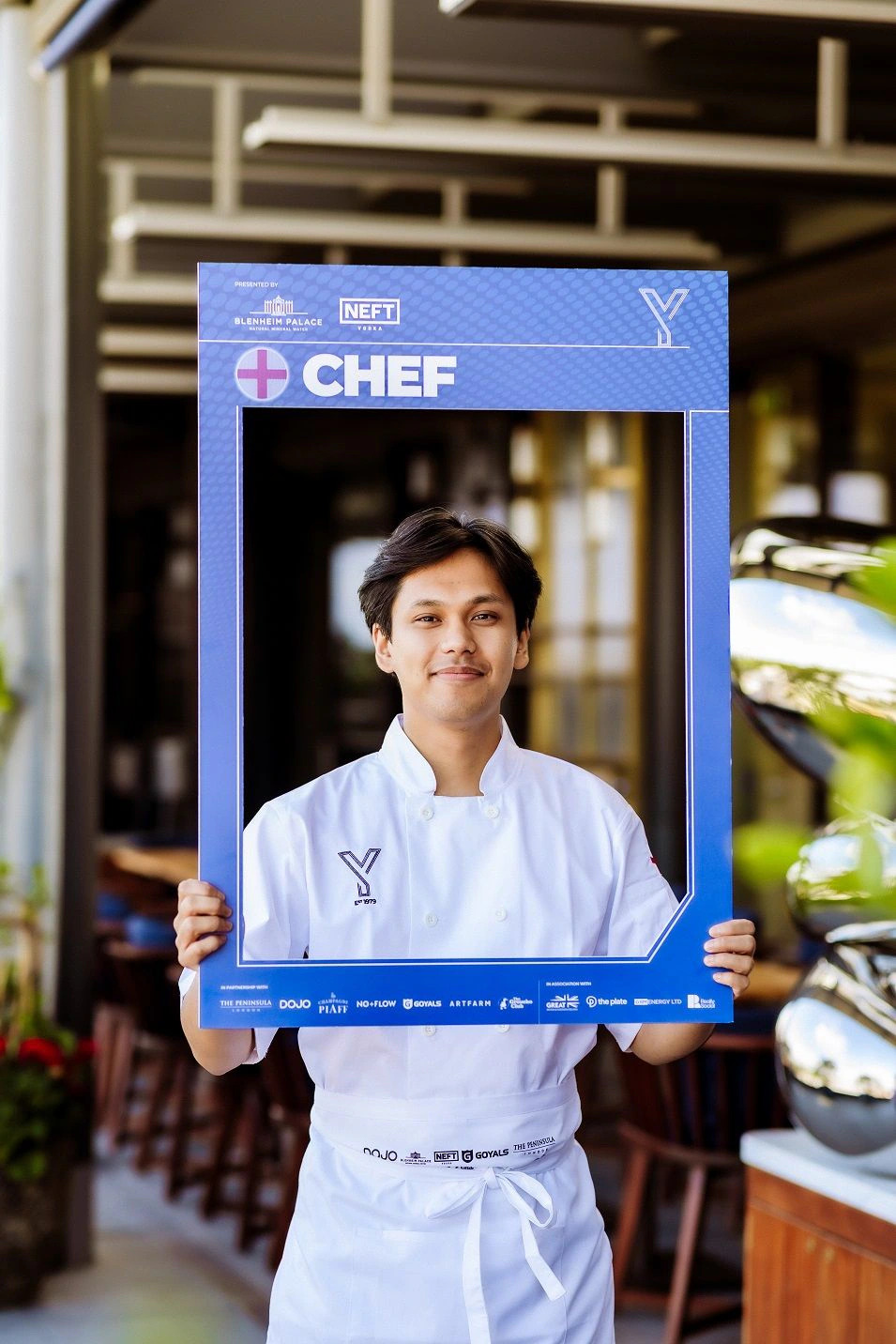
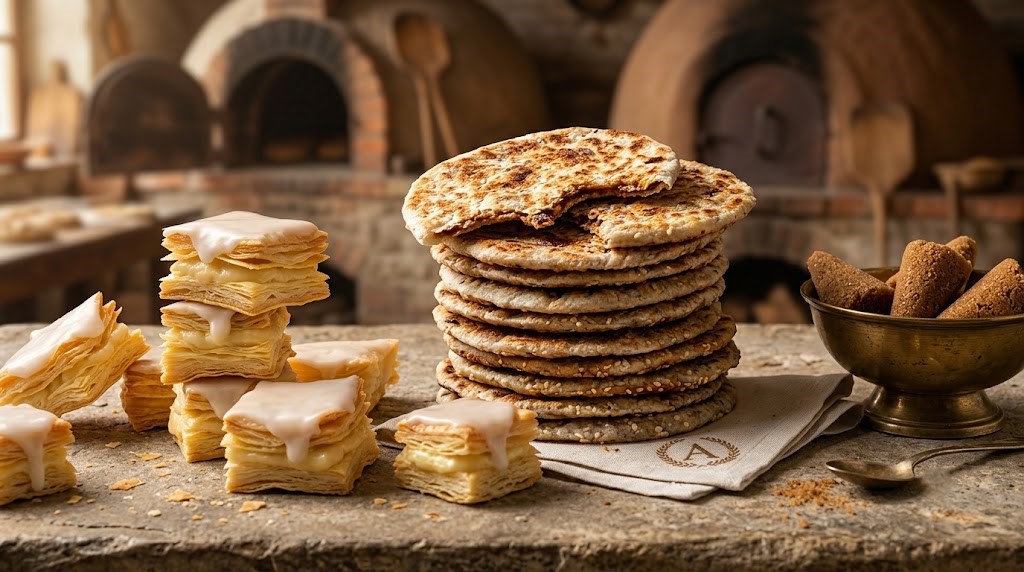
Recent community showcases have placed attention on local pastry makers who continue producing familiar Bacolod flavors. Events such as Baker’s Corner at Rockwell Center Bacolod featured local brands and highlighted the craftsmanship behind products like piaya, napoleones, cookies, and other baked creations. Instead of replacing tradition with modern trends, these businesses show how heritage can evolve while keeping its original character. Behind every pastry is the effort of bakers, entrepreneurs, and families who continue investing time into preserving these flavors. Small businesses play an important role because they keep traditional recipes available while creating opportunities for local communities. Their work demonstrates how culture can also become a source of livelihood and creativity. These bakeries also contribute to Bacolod’s growing lifestyle scene by introducing traditional flavors in more contemporary settings. Modern cafés, food events, and local markets create new spaces where people can discover familiar tastes in fresh ways. This connection between old recipes and new experiences allows Bacolod’s sweet culture to remain relevant.
A Food Culture Built Around Sharing
One important part of Bacolod’s food identity is the tradition of bringing something home for family and friends. Pastries and sweets often become symbols of connection because they are shared during celebrations, visits, and special occasions. This simple practice keeps local food traditions alive and allows visitors to experience Bacolod beyond sightseeing. Sharing food has always been an important part of Filipino culture, and Bacolod’s sweets reflect this value through the way people give and receive these treats. A box of pastries can represent appreciation, friendship, or a reminder of home. These small gestures help strengthen relationships while keeping local traditions meaningful. As Bacolod continues developing as a destination, its sweet heritage remains one of the elements that makes the city memorable. The combination of history, craftsmanship, and hospitality gives local pastries a deeper meaning beyond their taste. They serve as reminders that culture can be preserved through simple traditions practiced every day.